The Future of Language Learning: How Technology Makes Education More Accessible
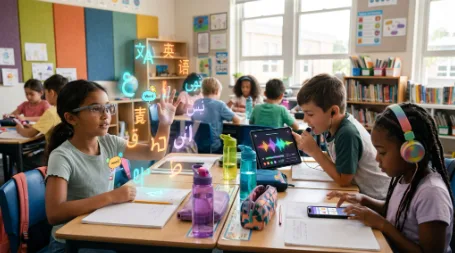
| Learning a foreign language has become a more flexible experience thanks to the rapid development of digital technology. Students can now access educational materials, practise pronunciation, review vocabulary, and communicate with people from different countries without being limited to a traditional classroom.
These changes have made language education more accessible to people with different schedules, budgets, and learning preferences. A student can study during a lunch break, a professional can practise business communication after work, and a traveller can prepare for everyday conversations before visiting another country. However, technology alone does not guarantee successful learning. The most effective approach combines convenient digital tools with consistent practice, clear objectives, and opportunities to use a language in meaningful situations. Mobile Learning and the Freedom to Study AnywhereSmartphones have transformed the way people organize their learning. Instead of relying exclusively on fixed lesson times, students can use short periods throughout the day to review vocabulary, listen to recordings, or complete interactive exercises. Mobile applications offer a variety of features designed to support independent study. Digital flashcards help learners remember new expressions, grammar exercises reinforce sentence structures, and listening activities introduce different accents and speaking styles. One advantage of mobile learning is its flexibility. Students can choose activities according to their available time and current needs. A beginner might spend a few minutes reviewing basic phrases, while an advanced learner might listen to a podcast or read a news article. To benefit from this flexibility, learners should establish realistic routines. Studying for 15 minutes every day may be more sustainable than planning long sessions that are frequently postponed. Mobile tools are particularly useful for maintaining regular contact with a language. Nevertheless, they should complement more substantial activities, such as writing longer texts, reading books, and participating in conversations. Artificial Intelligence as a Learning AssistantArtificial intelligence is introducing new possibilities for personalized language practice. AI-powered tools can generate exercises, explain grammar, suggest vocabulary, and simulate conversations tailored to specific situations. For example, a learner preparing to study abroad can practise introducing themselves, asking questions during a university orientation, or discussing accommodation. Someone learning English for professional purposes can rehearse presentations and job interviews. AI can also help learners understand why a particular sentence sounds unnatural. By requesting alternative examples or simpler explanations, students can explore language patterns at their own pace. Another advantage is the opportunity to repeat challenging tasks without feeling rushed. Learners can practise the same dialogue several times, gradually replacing short answers with more detailed responses. Still, artificial intelligence has limitations. It may misunderstand context, overlook cultural nuances, or provide inaccurate corrections. It is therefore best used as a supplementary learning assistant rather than a complete replacement for qualified instruction. For stronger results, students should combine AI-generated practice with reliable educational materials and regular conversations with other people. Personalized Learning Paths and Progress TrackingPeople rarely develop every language skill at the same speed. One learner may have excellent reading comprehension but struggle to understand spoken conversations. Another may communicate confidently but make frequent grammatical mistakes when writing. Digital learning platforms can help learners recognize these differences. Progress dashboards, diagnostic exercises, and adaptive activities provide information about strengths and areas that require additional attention. For instance, a student who repeatedly confuses verb tenses can dedicate more time to grammar practice. Someone who struggles to understand fast speech can work with shorter recordings before progressing to longer conversations. Tracking progress can also improve motivation. Rather than measuring success only through completed lessons, learners can record practical achievements, such as understanding a short video without subtitles or writing an email independently. However, progress indicators should be interpreted carefully. Completing exercises or earning points does not necessarily mean a learner can communicate effectively in real situations. A useful learning plan therefore combines measurable milestones with practical tasks that demonstrate the ability to understand and use the language. Video, Podcasts, and Authentic Learning MaterialsDigital media gives learners access to an enormous range of content created for native speakers. News programmes, interviews, podcasts, documentaries, and educational videos provide examples of how language is used beyond textbooks. Authentic materials expose learners to natural expressions, different accents, informal speech, and cultural references. They also make it possible to study topics that match personal interests. A learner interested in science might follow a technology podcast, while someone passionate about travel could watch destination guides or interviews with local residents. When the subject is familiar, it may be easier to focus on the language itself. The level of difficulty matters, however. Content that is far beyond a learner’s current abilities can become frustrating. Starting with short recordings and gradually increasing their complexity often produces a more manageable experience. A simple method is to listen once for the general meaning, listen again to identify useful phrases, and then summarize the content in a few sentences. This combines listening comprehension, vocabulary development, and active language production. Over time, these activities can help learners become more comfortable with natural speech and less dependent on translations. Online Tutoring and International CommunicationDigital education has made it easier to connect with language tutors regardless of geographical location. Online lessons can be arranged around work, school, and family commitments, while video calls allow learners to practise speaking from home. A tutor can provide personalized explanations, identify recurring mistakes, and help students develop communication strategies suited to their goals. Human interaction is especially important when learners need to understand subtle differences in meaning or respond to unexpected questions. Online language-exchange communities offer another way to practise. Participants can communicate with speakers of the language they are learning while helping others develop their own skills. For those interested in exploring different approaches to language education, the blog offers an additional resource for discovering ideas and information related to learning languages. Regardless of the platform, the quality of interaction matters more than the number of available features. Regular conversations with clear objectives can help learners turn theoretical knowledge into practical communication skills. Gamification and the Psychology of MotivationMany digital learning applications use game-inspired features to encourage regular practice. Points, achievement badges, daily streaks, and progress levels can make learning feel more engaging. These elements may be particularly helpful for beginners who find it difficult to establish a study routine. Small challenges provide immediate goals, while visible progress can encourage learners to continue. Nevertheless, gamification works best when it supports genuine learning. Completing a daily activity simply to preserve a streak may have limited educational value if the exercise is too easy or unrelated to the learner’s needs. To make these features more useful, students can connect daily challenges to specific objectives. For example, they might learn five expressions for a real conversation, review a set of difficult words, or complete a listening exercise without reading the transcript. Motivation also depends on personal relevance. Learning vocabulary connected to a future trip, an upcoming exam, or a professional goal can make progress feel more meaningful than collecting points alone. The Role of Speech Recognition in Language DevelopmentPronunciation and listening comprehension are closely connected. Learners need to recognize sounds accurately while also developing the ability to produce them clearly. Speech-recognition tools provide opportunities to practise pronunciation through recorded responses and automated feedback. Some applications allow users to repeat individual words, compare sentences with model recordings, or practise spoken dialogues. These exercises can help learners notice differences between familiar sounds and those that are less common in their native language. However, automated feedback is not always reliable. Recognition systems may perform differently depending on accents, background noise, speaking speed, and the specific words being pronounced. For this reason, students should avoid treating a pronunciation score as a definitive judgment of their ability. A more balanced approach includes listening to multiple speakers, practising aloud, and receiving feedback from a teacher or conversation partner. The ultimate goal is clear, understandable communication rather than eliminating every trace of an accent. Building a Sustainable Digital Learning RoutineWith so many educational tools available, it can be tempting to use multiple applications and switch between them frequently. In reality, a simple routine is often easier to maintain and evaluate. A balanced 30-minute session might include:
This schedule can be adapted to different proficiency levels. Beginners may need more time for basic vocabulary and sentence construction, while advanced learners can focus on extended discussions, specialized reading, or professional writing. It is also useful to review the routine regularly. If a particular activity produces little progress, learners can replace it with a more appropriate exercise. Consistency should remain the main priority. A realistic plan that fits everyday life is more likely to produce lasting results than an intensive schedule that is difficult to follow. Challenges and Responsible Use of TechnologyAlthough digital tools offer significant benefits, learners should remain aware of their limitations. First, excessive screen time and notifications can make concentration difficult. Setting aside dedicated study periods and reducing distractions can improve the quality of practice. Second, automatic translation can become a habit that prevents learners from developing independent comprehension. It is often better to attempt an interpretation first and use translation tools afterward to confirm the meaning. Third, AI-generated information should be checked when accuracy matters. This is particularly important when studying advanced grammar, preparing academic work, or learning specialized professional terminology. Finally, privacy deserves attention. Before using educational applications, learners should understand how their personal information, recordings, and written submissions may be collected or stored. Parents should also consider age suitability and supervision when choosing tools for children. Responsible use helps ensure that technology supports learning without creating unnecessary distractions or risks. ConclusionTechnology is making language learning more flexible by expanding access to educational resources, personalized exercises, online tutors, and authentic communication. Mobile applications support regular practice, artificial intelligence creates additional opportunities for interaction, and digital media helps learners connect new vocabulary with real-world contexts. At the same time, effective learning still depends on active participation, consistent revision, and meaningful communication. Digital tools cannot replace the effort required to understand a language, express ideas clearly, and learn from mistakes. The best approach is to choose a small number of suitable resources, establish realistic goals, and use the language as often as possible. When technology becomes part of a balanced learning routine, it can help learners make steady progress and develop skills that remain useful well beyond the screen. |
|||||||||||||||