The Future of Micromobility: Why E-Bikes Are Winning the Urban Commute
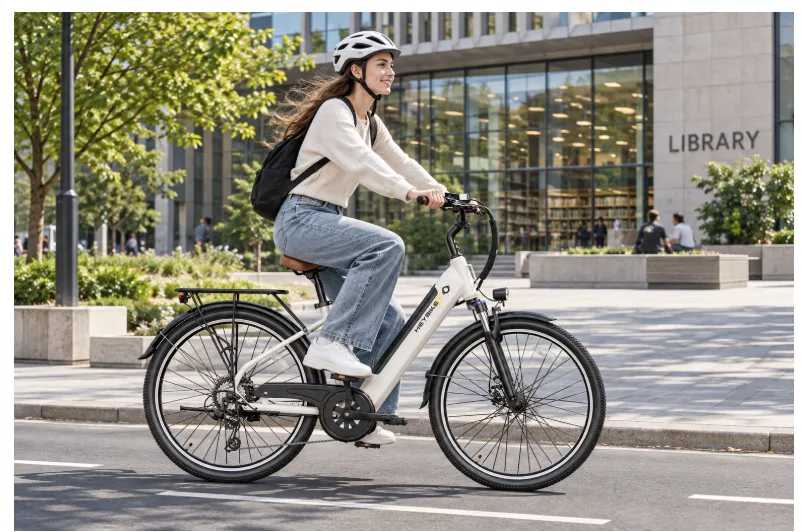
Urban centers across the globe are undergoing a profound transformation. As cities become denser, traffic congestion worsens, and public transportation systems face overcrowding, urban planners and daily commuters alike are searching for more agile, sustainable, and cost-effective ways to move.
Enter micromobility—and specifically, the electric bicycle.
No longer seen as a mere recreational novelty or a passing fad, e-bikes have emerged as the undisputed champions of the modern urban commute. They bridge the gap between traditional cycling and automotive travel, offering a smart solution for millions of city dwellers. Here is why e-bikes are winning the urban commute and shaping the future of city transport.
1. Redefining Speed and Efficiency in Dense Traffic
The primary frustration of driving a car or riding a bus in a major metropolitan area is unpredictable gridlock. Traffic jams waste countless hours of personal time, burn unnecessary fuel, and elevate daily stress levels.
E-bikes completely bypass these bottlenecks. By utilizing dedicated bicycle lanes, multi-use paths, and city shortcuts, e-bike commuters can maintain a steady, reliable average speed that often beats cars and public transit during peak rush hours. Furthermore, with pedal-assist speeds reaching up to 28 mph, riders can cover significant urban distances quickly without arriving at their destination exhausted or drenched in sweat.
This consistent travel time makes daily scheduling much more reliable, giving commuters back precious hours of their week.
2. Unmatched Cost Savings Compared to Car Ownership
Owning, insuring, fueling, and parking a car in a major city represents a massive financial burden. Between skyrocketing monthly parking rates, routine vehicle maintenance, and volatile gasoline prices, driving to work every day drains personal budgets.
In contrast, operating an electric bicycle is remarkably inexpensive. Charging an e-bike battery costs mere pennies per full cycle, drawing power from any standard household electrical outlet. Maintenance costs are similarly minimal, consisting primarily of occasional tire replacements, brake pad checks, and chain lubrication.
For urban workers looking to slash their monthly living expenses, replacing a second car—or eliminating car ownership entirely—with an e-bike results in thousands of dollars in annual savings. For those exploring reliable options, checking out an established electric bike offers numerous models tailored specifically for budget-conscious urban commuters.
3. Eliminating the Daily Parking Headache
Ask any city driver what they dread most about arriving at work, and the universal answer will be finding a parking spot. Circling crowded blocks for twenty minutes, paying exorbitant garage fees, or risking parking tickets adds immense frustration to the start of a workday.
Electric bikes eliminate this headache completely. E-bikes can be parked securely at standard bicycle racks, in designated urban micromobility corrals, or even brought directly inside office buildings and apartment lobbies depending on local facility rules.
Being able to park just steps from your office entrance transforms the entire commuting experience, removing one of urban life’s most persistent friction points.
4. Driving Sustainable Urban Mobility and Clean Air
As cities set ambitious climate targets to reduce carbon emissions and combat urban air pollution, sustainable transportation has shifted from a preference to a necessity. Traditional combustion-engine vehicles are major contributors to greenhouse gases and particulate smog in urban canyons.
E-bikes offer a zero-emission alternative that reduces urban noise pollution and traffic congestion simultaneously. When citizens choose an e-bike over a single-occupant automobile for daily errands and commuting, city air quality visibly improves.
Pioneering brands like Heybike have led the charge by designing dependable, long-range electric bikes that make eco-friendly urban travel practical, enjoyable, and accessible for everyone.
5. Making Fitness Accessible to Every Commuter
Traditional cycling is fantastic for cardiovascular health, but tackling steep city hills or riding long distances in professional attire can deter many people from commuting by bike.
Electric assist completely changes this dynamic. Riders can choose their preferred level of motor support, scaling steep inclines effortlessly or dialing up the assistance when they want an easier ride home after a tiring workday. This flexibility ensures that riders of all ages, fitness levels, and physical abilities can incorporate active transit into their daily routines without burnout or joint strain.
Final Thoughts
The future of urban mobility is lean, green, and electric. As cities continue to invest in protected bike lanes and forward-thinking infrastructure, electric bicycles will remain at the heart of this transportation revolution.
Whether you want to save money, avoid traffic stress, or reduce your carbon footprint, switching to an e-bike is the smartest lifestyle upgrade you can make for your daily commute.