The Global Comeback of Handmade Quality: Why Consumers Are Choosing Authenticity Over Mass Production
Across the globe, consumers are shifting the way they think about the goods they buy. For decades, mass production dominated every corner of retail, flooding markets with convenience and low-cost options. But something is changing. People are seeking items with character, intention and craftsmanship, objects that carry meaning rather than simply filling a need. Handmade and artisan-quality goods, once considered niche, are experiencing a widespread revival as shoppers look for a deeper connection to the things they bring into their lives.
This renewed appreciation shows up across many parts of daily life, from heritage garments to simple handmade tools. In fashion, people are paying closer attention to items built through traditional methods, where stitching, shaping and finishing still rely on skilled hands. Footwear such as old gringo cowboy boots reflects that shift; these kinds of pieces draw on techniques passed down through generations and stand out because they carry visible signs of craftsmanship. The growing interest in items like these shows how the handmade mindset is shaping not only what people wear but how they approach their creative hobbies and personal style.
A Reaction to Overproduction and Uniformity
One major driver behind the handmade resurgence is fatigue. Consumers are increasingly tired of identical, disposable goods that lack individuality. The rise of “fast everything”, fast fashion, fast décor, fast buying, has led many to question what they actually value. Buying habits are shifting from accumulation to careful curation.
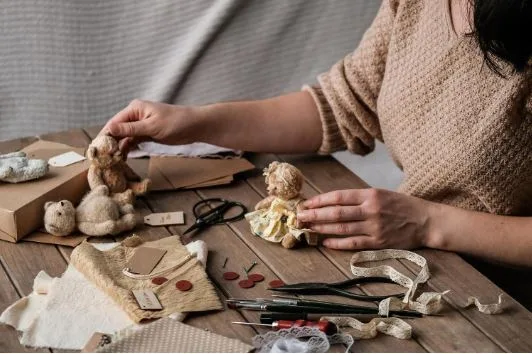
Handcrafted products offer something mass production cannot: variation. No two handmade pieces are exactly alike. Whether it’s a stitched detail, hand-cut leather or the feel of a tool held in the palm, handmade goods carry the imprint of human touch. Even in creative workspaces, small tools play a role in this shift. Makers often rely on materials like sewing machine needles that support slow-made, intentional craftwork, a reminder that handmade culture is rooted in everyday skills rather than luxury alone.
This uniqueness has become a form of value in itself: a tangible sign that time, skill and individuality matter again.
A Growing Desire for Transparency
Today’s consumers want to know where their products come from and who made them. This transparency builds trust and emotional connection. When someone buys a handmade item, they often learn about the maker, the materials, and the process behind the creation.
According to the Craft Industry Alliance, demand for artisan-made goods has risen significantly over the past decade because buyers associate craftsmanship with ethical production, sustainability, and higher quality. Consumers want fewer items, but better ones.
The Emotional Connection to Crafted Goods
Handmade items have a grounding quality. They remind people of heritage, family traditions, or moments when things were made with care rather than assembled at speed. This emotional layer turns everyday possessions into something more personal.
For many, using or wearing something handmade is a reminder of intention. Whether it’s artisan footwear, a handcrafted bag, or even a home project completed using basic tools, the result carries a sense of pride and connection. That emotional resonance is something automated manufacturing simply cannot reproduce.
The Maker Movement’s Influence
The global “maker movement” has played a huge role in reviving interest in craftsmanship. Digital platforms have empowered artisans to reach worldwide audiences, blurring the line between local craft and global demand. Small workshops, independent designers, leatherworkers, weavers, potters, and DIY creators now have the visibility to compete on an international stage.
Workshops, online tutorials, and creative communities have also inspired people to make more by hand. Learning how something is made builds appreciation for the craft behind it, and often sparks a desire to support skilled makers financially.
A Push for Sustainability
Sustainability concerns have accelerated this shift. Handcrafted goods are often built to last, reducing waste and encouraging long-term use. Consumers are choosing durable, ethically made pieces over cheaply produced items that need constant replacing.
Many shoppers now understand the deeper environmental cost of mass production: overconsumption, textile waste, and carbon-heavy logistics. Supporting artisans and small workshops aligns with the modern eco-conscious mindset, offering both beauty and responsibility.
Handmade Goods as Modern Luxury
Luxury is no longer defined solely by brand names or price tags. Increasingly, modern luxury is defined by craftsmanship, scarcity, and the presence of human skill. People value items made with intention, things that take time, talent, and experience to create.
This redefinition of luxury is shaping global fashion, home décor, and lifestyle trends. A handcrafted piece becomes a statement: not just of personal style, but of values.
The Future of Authenticity
The handmade revival isn’t a temporary trend; it’s a cultural shift. As consumers continue to look for meaningful experiences and long-lasting items, authenticity will remain a key driver of global purchasing patterns.
The rise of craftsmanship signals a deeper desire for connection, to the maker, to the process, and to the stories behind the objects we use every day. In an era defined by mass production, choosing handmade isn’t just a buying choice, it’s a statement of identity and intention.