The Governance Gap in Luxury Residential Construction: Why the Owner Needs Independent Representation
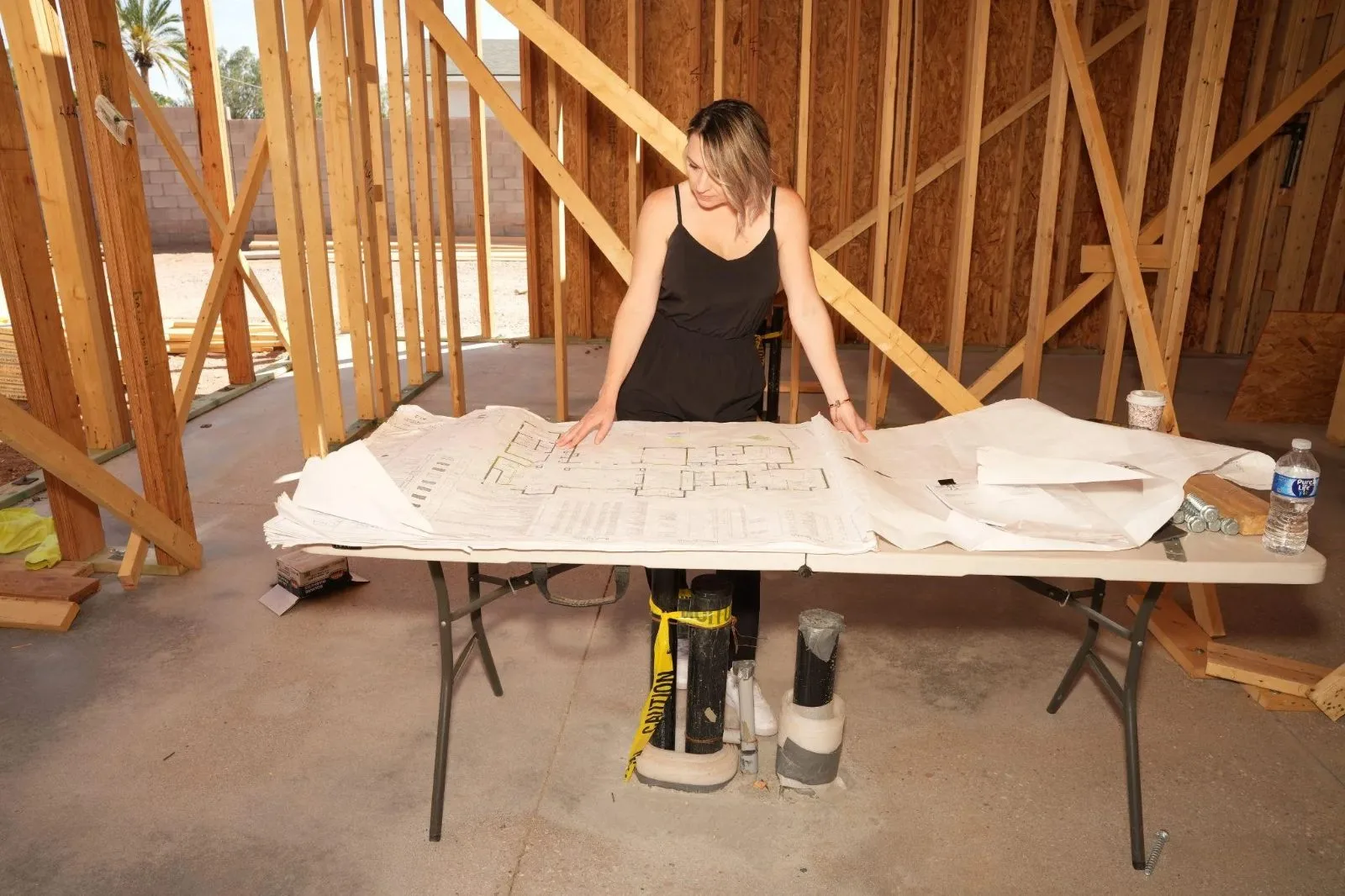
Nataliya Palakanis is advancing a new model of independent governance for luxury residential projects — one that places the Owner’s interests, capital, and long-term objectives at the center of every major decision.
A luxury residence may begin with an extraordinary vision. Bringing that vision to life, however, requires far more than exceptional architecture and skilled construction. It requires coordination across dozens of professionals, decisions involving substantial capital, and oversight of a process in which every choice can affect the budget, schedule, quality, and ultimate value of the property.
Yet one fundamental question is often overlooked:
When millions of dollars are committed to building a home, who is independently representing the person putting up the capital?
For Nataliya Palakanis, founder of ARIMIA, that question sits at the center of a gap in the luxury residential industry.
Architects bring design expertise. Builders manage construction. Interior designers, engineers, technology specialists, and other professionals contribute essential knowledge within their respective disciplines. Each plays a valuable role. But the combined expertise of a project team does not automatically provide independent representation for the Owner across the entire undertaking.
“The industry doesn’t lack exceptional professionals,” says Palakanis. “What it needs is a more deliberate framework for ensuring that the Owner’s interests remain central to the decisions being made throughout the project.”
That conviction became the foundation of ARIMIA, an independent luxury residential advisory firm focused on Owner representation, project governance, and strategic oversight.
The Missing Perspective in Luxury Homebuilding
Luxury residential projects have become increasingly complex. A custom estate may involve an architect, general contractor, interior designer, landscape architect, structural and engineering consultants, lighting specialists, technology integrators, specialty trades, and numerous vendors.
The challenge is not necessarily a lack of expertise or good intentions. It is that each professional is typically engaged to fulfill a particular role, while the Owner remains responsible for the overall financial commitment and the decisions connecting those roles.
A design change may affect construction pricing, material lead times, trade sequencing, and the completion schedule. A change order may appear reasonable in isolation but have broader implications for the project’s remaining budget. A payment request may need to be evaluated against completed work, contract terms, and the project’s financial position.
These decisions are interconnected. Yet the responsibility for understanding their combined impact can fall largely on the homeowner.
For Palakanis, this is where independent Owner representation becomes essential.
“The question is not whether you have a good architect or a capable builder,” she explains. “The question is whether someone is independently looking across the entire project, evaluating how decisions affect the Owner’s interests, and helping the Owner make informed decisions before commitments are made.”
The distinction matters. Independent governance is not intended to replace the professionals responsible for design or construction. It provides an additional layer of oversight focused on the Owner’s objectives, financial exposure, and overall project alignment.
From Coordination to Governance
Traditional luxury homebuilding often relies on established relationships, professional reputations, and referrals. These remain valuable ways to identify talented professionals. But a strong reputation alone does not establish who is responsible for evaluating the entire project from the Owner’s perspective.
ARIMIA was developed around a different premise: independent representation should be part of the project structure, rather than something introduced only when costs escalate, communication breaks down, or a schedule begins to drift.
Through ARIMIA, Palakanis advocates for a more structured approach to Owner representation that can include reviewing budgets and financial commitments, evaluating payment requests and change orders, monitoring schedule and critical-path risks, coordinating communication across project participants, and helping Owners understand projected costs to complete.
The objective is not to create another layer of unnecessary administration. It is to bring greater clarity to decisions that carry meaningful financial and operational consequences.
Governance must precede commitment, not respond to it.
That principle is especially relevant when an Owner is managing a complex new build, a major estate renovation, or a high-value residential development. Early decisions concerning contracts, scope, budgets, team selection, and project structure can influence outcomes long before construction is complete.
Independent oversight helps the Owner evaluate those decisions in the context of the larger investment.
Protecting the Owner Without Replacing the Team
A central distinction in ARIMIA’s approach is independence.
The firm does not design or build homes. Its role is to represent the Owner’s interests while working alongside the architect, builder, designer, and other project professionals.
This distinction allows the Owner to have a dedicated perspective focused on the project as a whole, rather than on any single discipline.
It also changes the nature of the conversation. Instead of evaluating a decision only within its immediate scope, the Owner has support in considering its broader implications: What does it mean for the budget? Does it affect the schedule? Are other trades or decisions dependent on it? Is the commitment consistent with the Owner’s priorities and financial plan?
For homeowners and private investors, that perspective can be particularly valuable when the project involves substantial capital, multiple decision-makers, or evolving scope.
The purpose is not to assume that problems will occur. It is to establish a framework in which risks, trade-offs, and decisions can be examined more deliberately.
A Broader Standard for Professional Verification
Palakanis sees independent Owner representation as one part of a broader opportunity to strengthen accountability within luxury residential construction.
The ARIMIA Registry extends that philosophy into professional verification. Rather than operating as a conventional directory based primarily on listings or introductions, the Registry is designed around the review of professional credentials and standards relevant to high-value residential work.
Approved Registry Partners may display the ARIMIA Governance Certified Insignia, indicating that their credentials have been reviewed under the Registry’s established criteria.
The distinction is important: reputation remains valuable, but verification provides another layer of information for Owners, family offices, private advisors, and investors evaluating professionals for significant projects.
For Palakanis, the two initiatives reflect a common objective — creating greater clarity around who is involved in a project, what standards have been reviewed, and how the Owner’s interests are represented.
Trust and verification are not competing ideas. They can reinforce one another.
Redefining Excellence in Luxury Residential Construction
For decades, excellence in luxury residential construction has been associated with architectural distinction, exceptional craftsmanship, premium materials, and the quality of the finished home.
Those elements remain essential. But Palakanis believes the definition of excellence should extend beyond the physical residence to include the decisions and accountability that shape its creation.
A successful project is not simply one that looks exceptional at completion. It is one in which the Owner’s vision is translated into a coordinated plan, significant commitments are evaluated with care, risks are addressed thoughtfully, and decisions remain aligned with the Owner’s objectives throughout the process.
As luxury residential projects become more complex and capital commitments grow, independent representation deserves a more prominent place in the conversation.
For Palakanis, the principle is straightforward: the professionals designing and building a home should be supported by a project structure that also recognizes the needs of the person whose interests ultimately matter most.
Your architect designs it. Your builder builds it. ARIMIA represents you.