The Growing Impact of Android AI Features on Consumer Technology During the Global Memory Chip Shortage
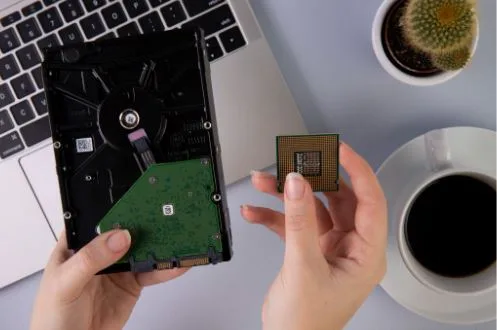
Understanding Android AI Features in Modern Devices
Android AI features are transforming how people use smartphones by making devices smarter, more efficient, and easier to use. AI can recognize speech, enhance photos, predict user behavior, and optimize battery life, improving everyday experiences. However, the technology industry also faces challenges such as the memory chip shortage, which has affected production and supply worldwide. As a result, companies must continue innovating while managing hardware limitations and growing consumer demand.
Why Android AI Features Are Becoming More Important
Artificial intelligence is no longer a futuristic concept. Instead, it has become a key part of modern smartphones.
Users expect devices to understand their preferences, automate routine tasks, and deliver personalized experiences. Therefore, Android AI features help manufacturers meet these growing expectations.
For example, AI-powered voice assistants can answer questions, schedule reminders, and manage smart home devices. Additionally, AI improves language translation, making communication easier for people around the world.
Because consumers value convenience, companies continue investing heavily in artificial intelligence technologies. As a result, AI has become one of the primary drivers of smartphone innovation.
How Android AI Features Improve Everyday Experiences
Android AI features make smartphones smarter by improving camera quality, optimizing battery life, and predicting words while typing. These AI-powered tools help users enjoy a faster, more convenient experience with minimal effort.
How the Memory Chip Shortage Affects Smartphone Manufacturing
Smartphones depend heavily on memory chips for performance and storage capabilities.
When manufacturers struggle to obtain sufficient chip supplies, production schedules often become disrupted. Consequently, companies may delay product launches or limit inventory availability.
The memory chip shortage has also increased manufacturing costs. Therefore, some smartphone models have experienced higher retail prices.
Despite these challenges, manufacturers continue investing in Android AI features because consumers increasingly demand intelligent functionality. As a result, companies must carefully balance hardware resources and software innovation.
The Role of Artificial Intelligence in Future Technology
Artificial intelligence is expected to play an even larger role in future technology products
Smartphones will likely become more personalized, predictive, and capable of understanding user behavior. Consequently, consumers can expect increasingly intelligent experiences.
Future AI systems may improve health monitoring, enhance accessibility tools, and provide more advanced language processing capabilities.
Additionally, AI could help optimize device performance automatically. Therefore, users may spend less time managing settings and more time enjoying their devices.
As innovation continues, Android AI features will remain central to the future of consumer technology.
Why Consumers Continue Demanding Smarter Devices
Consumer expectations have changed significantly in recent years.
People now expect devices to perform tasks quickly, accurately, and intelligently. Therefore, AI-powered functionality has become an important factor when purchasing smartphones.
Features such as intelligent photography, voice recognition, predictive text, and personalized recommendations provide meaningful value to users.
Moreover, these capabilities often improve productivity and convenience. Consequently, demand for AI-powered devices continues growing despite broader industry challenges.
This trend encourages manufacturers to prioritize artificial intelligence development in future products.
The Future of Android AI Features and Technology Innovation
The future of Android AI features appears extremely promising.
As hardware and software continue improving, AI capabilities will become even more advanced. Furthermore, ongoing investments in semiconductor manufacturing may help reduce supply chain challenges over time.
Although the memory chip shortage has created obstacles for the industry, innovation has not slowed. Instead, companies have found creative ways to improve efficiency and optimize existing resources.
Therefore, consumers can expect future Android devices to offer even smarter features, better performance, and enhanced user experiences.
The combination of artificial intelligence and continued technological advancement will likely shape the next generation of mobile devices for years to come.
Frequently Asked Questions
What are Android AI features?
Android AI features are artificial intelligence tools and functions that help smartphones perform tasks such as voice recognition, photo enhancement, predictive typing, and personalized recommendations.
What caused the memory chip shortage?
The memory chip shortage resulted from increased demand for electronics, supply chain disruptions, manufacturing challenges, and global economic changes.
How does the memory chip shortage affect smartphones?
The shortage can lead to production delays, higher device prices, and limited availability of certain smartphone models.
Why are Android AI features important?
Android AI features improve user experiences by making devices smarter, faster, and more personalized.
Can AI help reduce hardware limitations?
Yes. Efficient AI software can optimize performance and reduce the need for excessive hardware resources.
Will the memory chip shortage end completely?
Industry experts expect supply conditions to improve over time, although market demand and production capacity will continue influencing availability.
Conclusion
Android AI features are making smartphones smarter, faster, and more personalized through tools like intelligent cameras and predictive software. Although the memory chip shortage has created challenges for the technology industry, companies are adapting by improving software efficiency and investing in innovation. As technology advances, AI will continue driving smarter devices and better user experiences despite ongoing supply chain challenges.