The Growing Interest in Botanicals Across the U.S.: A Shift Toward Natural Wellness
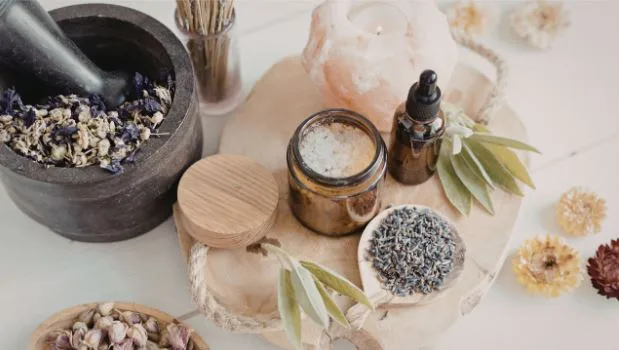
Across the United States, more people are rethinking how they approach wellness. Instead of relying solely on conventional products, many are turning to botanicals — plant-based ingredients that have been used traditionally for generations.
From herbal teas and functional mushrooms to plant extracts and supplements, botanicals are becoming a regular part of everyday routines. What was once considered a niche interest is now part of a broader movement toward more intentional, natural living.
This shift isn’t just about trends — it reflects a growing desire for simplicity, transparency, and a deeper connection to what we consume.
Why Botanicals Are Gaining Popularity
One of the biggest reasons botanicals are on the rise is accessibility. With more information available online and a growing number of wellness-focused retailers, consumers can now explore plant-based options more easily than ever before.
At the same time, people are becoming more ingredient-conscious. Labels matter more. Sourcing matters more. And there’s a stronger interest in understanding how products are made and where they come from.
Botanicals fit naturally into this mindset. They often come with a long history of traditional use, and many consumers appreciate their connection to nature and simplicity.
Popular Botanicals People Are Exploring
The botanical space is diverse, with a wide range of plants gaining attention across different wellness communities. Some of the most widely used include:
- Ashwagandha: Often associated with balance and stress support
- Turmeric: Known for its long history in traditional practices
- Chamomile: A staple in herbal teas for relaxation
- Green Tea Extract: Popular for its antioxidant content
- Functional Mushrooms: Such as reishi and lion’s mane
These botanicals are now commonly found in everything from teas and capsules to powders and wellness blends.
The Increasing Visibility of Kratom
Among the newer botanicals gaining attention in the U.S. is kratom, a plant native to Southeast Asia. While it has been used traditionally for centuries, its visibility in the U.S. has grown significantly in recent years.
Kratom is often discussed alongside other plant-based wellness options, particularly by those exploring alternatives to conventional products. As interest grows, so does the need for education and responsible sourcing.
Unlike more established botanicals, kratom products can vary widely in quality depending on how they are sourced and processed. This makes it especially important for consumers to be mindful when choosing where to buy.
Why Choosing the Right Vendor Matters
As the botanical market expands, one of the most important considerations is quality. Not all products are created the same, and this is particularly true for kratom.
Consumers are increasingly looking for brands that provide:
- Third-party lab testing
- Clear labeling and ingredient transparency
- Responsible sourcing practices
These factors help ensure that products are consistent and meet higher standards.
Brands such as Super Speciosa have gained attention for their commitment to transparency, offering publicly available lab testing and adhering to established manufacturing practices.
Similarly, Kratom Country is known for its wide selection and consistent sourcing, giving consumers additional options when exploring kratom products.
Having access to vendors that prioritize quality allows consumers to make more informed decisions — something that’s becoming increasingly important as the market grows.
A Shift Toward More Informed Wellness Choices
What stands out most about the rise in botanicals isn’t just the products themselves — it’s the way people are approaching them.
Consumers today are more informed and intentional. They’re reading labels, researching brands, and taking the time to understand what they’re using. This shift is helping to raise standards across the industry, encouraging companies to be more transparent and accountable.
In many ways, this represents a broader change in how wellness is viewed — not as a quick fix, but as something more thoughtful and personal.
Looking Ahead
As interest in botanicals continues to grow across the U.S., the landscape is likely to keep evolving. New products will emerge, more brands will enter the market, and awareness will continue to expand.
At the same time, the importance of quality, transparency, and education will remain central. Consumers are no longer satisfied with vague claims — they want clarity and trust.
For those exploring botanicals — whether it’s familiar herbs or newer options like kratom — the key takeaway is simple: informed choices matter. And as more people embrace this approach, the future of plant-based wellness looks stronger than ever.