The Growing Popularity of Family Christmas Pajamas in Modern Holiday Shopping
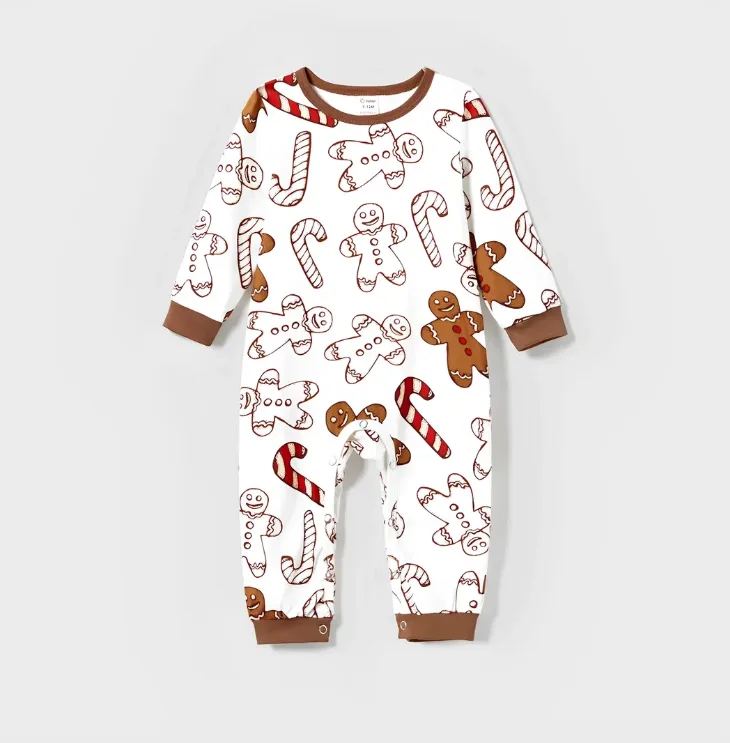
Holiday shopping used to separate practical purchases from festive ones. A household might buy gifts in one trip, decorations in another, and sleepwear only when someone needed it. Coordinated holiday pajamas have blurred those categories. They are clothing, but they can also become part of a celebration, a family photo, a Christmas-morning ritual, and sometimes a small seasonal gift.
That combination helps explain the category’s appeal. Shoppers are not choosing only a shirt-and-pants set; they may be trying to coordinate several people at once. The decision can include adults, children, a baby, and even a pet, each with a different size or garment type. What looks like a simple festive purchase therefore behaves more like a miniature group order.
For retailers, that creates an interesting type of seasonal basket. One visual idea can lead to several related selections, while families gain an easy way to make an at-home moment look deliberately festive. The appeal is less about everyone dressing identically and more about turning a shared print into a recognizable holiday theme.
A Seasonal Purchase Now Has More Than One Job
Holiday products become easier to justify when they can serve more than one moment. Coordinated sleepwear may appear in a family photograph, during a movie night, while opening presents, and again on a slow morning at home. That gives the purchase a different kind of usefulness from a novelty item worn for only a few minutes.
The visual side matters as well. A repeated print can bring order to a busy photograph without requiring formal outfits, matching shoes, or complicated styling. For families who prefer relaxed celebrations, sleepwear fits the setting while still making the occasion look distinct from an ordinary weekend.
The Shopping Cart Has Become a Family Project
The idea becomes more complicated when several wearers are involved. An adult may need one size, a child another, and a baby may require a completely different garment shape. A pet option introduces another category again. The shopper is no longer comparing two individual items; they are checking whether one design can work across the whole group.
That is why wearer choices matter more than the group photograph alone. Shoppers need to know who can participate, how individual sizes are selected, and whether the same print continues across different silhouettes. The photograph introduces the idea, but the available selections determine whether the idea works for a particular household.
Many Shoppers Begin With the Occasion, Not the Pajamas
For a seasonal purchase, the starting thought may not be “we need new sleepwear.” It may be “everyone will be together this year,” “we need something for Christmas morning,” or “we want a relaxed family picture.” That changes the order in which features are considered. Print, group availability, timing, and wearer options can become important before smaller styling details.
When browsing family christmas pajamas, it makes sense to decide who is participating before falling in love with a design. Knowing which adults, children, babies, or pets need an option can quickly reveal whether a print works for the entire plan. Current measurements are worth checking at the same stage, especially for growing children.
Matching Does Not Have to Mean Identical
Modern family coordination works because it can preserve differences. Adults may wear two-piece sets while a baby needs another silhouette. A pet may participate through a different type of item altogether. The print or color creates the connection, while the shape changes according to the wearer.
That flexibility widens the usefulness of the concept. A household does not have to resemble a uniformed group for the final effect to look coordinated. From a retail perspective, one seasonal design can also extend across several wearer categories instead of depending on everybody wanting the exact same garment.
The Important Shopping Work Begins After the Group Photo
A lifestyle image can create instant interest, yet the practical decisions begin after someone decides they likes the look. The household still has to check wearer options, sizes, quantities, stock, timing, and what each selection actually represents.
This is one place where a coordinated purchase differs from replacing an ordinary pair of pajamas. If a key child size is unavailable, a customer may reconsider the entire print rather than order only part of the planned group. Inventory for one wearer can therefore affect the whole family decision.
A Khaki Gingerbread Design Shows How the Model Works
PatPat currently identifies the exact style as Christmas Family Matching Letter and Gingerbread Man Print Long-sleeve Pajamas Sets with Christmas Socks Khaki. On the U.S. listing, Khaki is the stated color, and the family-member selector includes Women, Kids, Baby, Men, and Pets. The interface asks shoppers to choose a family member and size, so the family photograph should not be interpreted as evidence that every pictured item arrives automatically as one bundle.
The most useful selling points are straightforward:
- Khaki holiday palette: a warm neutral direction rather than relying entirely on traditional bright red.
- Letter and gingerbread-man design: both elements are identified in the exact listing title.
- Long-sleeve pajama styling: part of the seasonal format stated for the set.
- Christmas socks: specifically included in the listing title.
- Five wearer categories: women, kids, babies, men, and pets appear in the family-member selector.
- Individual wearer selection: shoppers build the required family combination by choosing the relevant wearer and size rather than treating the photographed group as one automatic purchase.
That setup illustrates why coordinated holiday sleepwear behaves differently from a single novelty pajama purchase. The design may be shared, but the basket is assembled around several individual needs.
Growing Children Give the Category a Natural Reset
Seasonal sleepwear has a simple reason to return to the shopping list: children grow. The size that worked last Christmas may no longer be suitable this year. A new baby, partner, or pet can also change the number of people participating.
Families do not have to abandon the ritual when that happens. They can keep the familiar idea of coordinating while changing the print, sizes, or participants. The tradition remains recognizable even though the shopping basket is rebuilt.
That gives this type of seasonal category a different rhythm from products purchased only when they wear out. A household may reconsider it because circumstances have changed, not because last year’s clothing has necessarily reached the end of its useful life.
Photos Extend the Life of a Seasonal Purchase
Holiday sleepwear may spend most of its physical life at home, but photographs give the design another role. Images can appear in group chats, digital greetings, printed albums, or family photo archives long after December ends.
That helps explain why color and group coordination can matter alongside ordinary clothing considerations. Shoppers are effectively evaluating how the garments work both on the people wearing them and together inside one frame.
It also means highly complicated styling is not always necessary. If a print already connects the group, the room, tree, or wrapping paper can provide the rest of the seasonal context.
One Collection Can Lead to Several Separate Decisions
Searching for matching family christmas pajamas is different from choosing sleepwear for one person. The shopper has to think across several linked questions: who wants to participate, which sizes are current, what garment option applies to each wearer, and whether every needed selection can be ordered at the same time.

This also makes price presentation important to understand. A collection or product page may display a starting price or one selected wearer’s price. That should not automatically be interpreted as the cost of clothing everybody shown in a family photograph. The meaningful total is the one created by the actual items added to the cart.
Holiday Deadlines Change the Way People Shop
Seasonal merchandise carries a deadline that everyday clothing often does not. Pajamas intended for a specific Christmas gathering or photograph are far less useful if they arrive after the event. Stock status and delivery information therefore become part of the purchasing decision rather than background details.
Shopping earlier gives families time to check measurements and reconsider a print if one required option disappears. It also reduces the temptation to select an unsuitable child size simply because another one is no longer available.
Current inventory, displayed prices, promotions, delivery estimates, and return eligibility can all change during the season. Those details are best confirmed close to checkout rather than copied from an older search result or saved cart.
Children’s Sleepwear Still Has Its Own Rules
A seasonal trend does not change how children’s sleepwear should be selected and used. U.S. Consumer Product Safety Commission guidance explains that children’s sleepwear is covered by federal flammability requirements, with specific provisions for qualifying infant garments and tight-fitting sleepwear.
Parents should follow the exact garment’s size chart, labeling, and intended fit rather than intentionally choosing oversized sleepwear simply to create more growing room. Age-based size names are useful for browsing, but current measurements and the product-specific guidance deserve more weight.
The Category Sits Between Emotion and Utility
The continuing appeal of coordinated Christmas sleepwear makes sense because it lives between two kinds of shopping. It is practical enough to be worn during ordinary hours at home, yet expressive enough to help shape a photograph, gathering, or annual ritual.
It also turns one purchase decision into a collaborative one. Someone may begin with a print they like, but completing the idea means accounting for several people, different sizes, changing ages, and a fixed seasonal date. The final basket reflects the household rather than one individual shopper.
That is what gives this corner of holiday retail its distinctive appeal. Families are not simply buying copies of the same clothes. They are assembling a shared visual idea around people who have different needs—and the easier it is to coordinate those differences, the more naturally the concept fits modern holiday shopping.