The Growing Role of AI in Both Cyberattacks and Cyber Defense
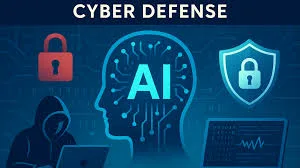
The Dual-Edged Sword of Artificial Intelligence in Cybersecurity
Artificial intelligence (AI) continues to reshape the digital landscape, acting as both a powerful tool for enhancing cybersecurity measures and a sophisticated instrument for cybercriminals. As organizations increasingly adopt AI-driven solutions to protect their infrastructure, attackers are simultaneously leveraging AI to develop more advanced and elusive cyber threats. Understanding this evolving dynamic is essential for businesses aiming to fortify their defenses in an era of rapidly escalating cyber risks.
The integration of AI into cybersecurity practices has transformed the way organizations approach digital defense. AI’s ability to analyze vast datasets and identify patterns that humans might overlook allows for faster threat detection, automated response mechanisms, and improved vulnerability assessments. According to a recent report, AI-powered security solutions can reduce the time to detect cyber threats by up to 12 times compared to traditional methods. This accelerated response capability is critical as cyberattacks grow in both frequency and complexity.
The global cybersecurity market is projected to reach $345.4 billion by 2026, driven largely by the adoption of AI-enabled defense technologies. This surge reflects the increasing urgency to deploy intelligent systems capable of managing an ever-expanding threat landscape.
In this context, businesses looking to strengthen their cybersecurity posture are turning to advanced technology partners specializing in AI integration. One such example is NetOps’s tech management, where expert teams combine AI analytics with human expertise to deliver comprehensive IT security management. These services enable companies to monitor network activity proactively, identify anomalies, and respond swiftly to potential breaches.
Furthermore, AI’s role extends beyond detection to include predictive capabilities that anticipate attack vectors before they are exploited. This proactive stance is vital for organizations striving to stay ahead of cybercriminals who continuously refine their tactics. The use of AI in cybersecurity is not just about reacting to threats but about foreseeing and preventing them.
Enhancing Cyber Defense with AI-Driven Solutions
The implementation of AI in cyber defense encompasses more than just threat detection. It extends to predictive analytics, automated remediation, and adaptive security postures that evolve alongside emerging threats. AI systems analyze vast amounts of data from multiple sources, such as network logs, user behavior, and historical attack patterns, to predict potential vulnerabilities and patch them proactively.
For instance, AI algorithms can correlate seemingly unrelated data points to identify subtle indicators of compromise that human analysts might miss. This capability enhances the accuracy of threat detection and enables faster containment of attacks. According to industry research, organizations employing AI in their security operations experience a 30% reduction in breach costs on average.
In addition to detection and prediction, AI-driven security platforms facilitate continuous monitoring and dynamic defense strategies. These platforms can automatically adjust firewall rules, isolate infected devices, and orchestrate coordinated responses across an enterprise’s digital infrastructure. Such automation is especially critical given the global shortage of skilled cybersecurity professionals, which leaves many organizations vulnerable to sophisticated attacks.
AI also spurs innovations in endpoint protection and identity management. Behavioral biometrics, powered by machine learning, offer robust authentication methods that go beyond traditional passwords. By analyzing patterns in user behavior, such as typing rhythm, mouse movements, or device usage, these systems can detect anomalies indicating unauthorized access attempts, thereby preventing breaches even when credentials are compromised.
Moreover, AI enhances threat hunting capabilities by continuously scanning for emerging attack techniques and zero-day vulnerabilities. This proactive approach helps organizations stay ahead of cybercriminals, reducing the risk of successful intrusions.
The AI-Powered Offensive: New Threats on the Horizon
While AI’s role in defense grows, so does its use in offensive cyber operations. Attackers employ AI to enhance social engineering attacks, crafting personalized and convincing phishing messages by analyzing victims’ social media activity and communication patterns. This targeted approach significantly increases the success rate of such attacks.
Another alarming development is the use of AI to create polymorphic malware that can change its code to evade detection by traditional antivirus software. This ability to continuously mutate makes it difficult for static security solutions to identify and neutralize threats effectively. Furthermore, AI algorithms can automate the reconnaissance phase of an attack, rapidly scanning networks for weaknesses and launching coordinated strikes.
A recent study found that 45% of cyberattacks now incorporate some form of AI or machine learning to increase their effectiveness. This statistic underscores how quickly malicious actors are adopting intelligent technologies to outmaneuver defenses.
Moreover, AI-powered deepfake technology is being leveraged to impersonate executives or trusted contacts, facilitating sophisticated spear-phishing campaigns and fraudulent transactions. These AI-driven deceptions challenge traditional verification processes and can lead to significant financial and reputational damage.
The increasing sophistication of AI-powered cyberattacks requires organizations to rethink their security strategies. Traditional defenses, reliant on signature-based detection or manual analysis, are often insufficient against these dynamic threats. Instead, a layered security approach that integrates AI-driven defense mechanisms is necessary to counterbalance AI-enabled offenses.
Collaboration and Innovation: Key to Staying Ahead
Addressing the challenges posed by AI-enhanced cyberattacks requires a collaborative approach involving technology providers, cybersecurity experts, and industry stakeholders. Companies like about Sterling Ideas are at the forefront of developing innovative AI-driven cybersecurity strategies that combine cutting-edge technology with strategic insights to safeguard digital assets.
Investment in continuous research and development is essential to outpace cybercriminals who exploit AI. Public and private sectors must share intelligence on emerging threats and best practices to build resilient defenses. Furthermore, educating employees and stakeholders about AI-related risks and security protocols remains a critical component of any comprehensive cybersecurity framework.
Industry collaboration initiatives, such as information sharing and joint incident response exercises, enhance collective security posture. By pooling knowledge and resources, organizations can better anticipate AI-powered threats and develop countermeasures more effectively.
In addition, regulatory bodies are beginning to focus on AI governance within cybersecurity, establishing guidelines that promote ethical AI use and transparency. These frameworks help ensure that AI technologies are deployed responsibly, minimizing unintended vulnerabilities.
The rapid pace of AI innovation also demands flexible security architectures that can adapt to new threats as they emerge. Organizations that foster a culture of continuous learning and agility are better positioned to leverage AI’s benefits while mitigating its risks.
The Rising Stakes in Cybersecurity
The impact of cybercrime has escalated dramatically, with global damages expected to reach $10.5 trillion annually by 2025. This staggering figure underscores the urgent need for advanced defense mechanisms that leverage AI capabilities effectively.
Furthermore, the frequency of cyberattacks has increased by 67% over the past five years, intensifying pressure on organizations to adopt smarter security solutions. AI’s ability to analyze and respond to threats at scale is becoming indispensable in this high-stakes environment.
The adoption of AI in cybersecurity is projected to grow at a compound annual growth rate (CAGR) of 23.3% between 2021 and 2026, reflecting the increasing reliance on intelligent systems to manage complex security environments. This trend highlights the critical role AI will play in shaping future cybersecurity landscapes.
Given these projections, organizations must prioritize AI integration not as a luxury but as a necessity for survival in the digital age. The evolving cyber threat landscape demands proactive investment in AI-driven tools and expertise.
Preparing for an AI-Driven Cybersecurity Future
As AI continues to evolve, organizations must adopt a proactive and adaptive approach to cybersecurity. Integrating AI tools with human expertise provides the best defense against increasingly sophisticated cyber threats. This hybrid strategy enables faster threat detection, better decision-making, and more effective incident response.
Moreover, businesses should prioritize partnerships with specialized technology providers who understand the nuances of AI in cybersecurity and can tailor solutions to specific organizational needs. By doing so, companies can not only defend against current threats but also anticipate and mitigate emerging risks in an AI-driven digital world.
Emphasizing ongoing training and awareness programs is equally important. Employees are often the first line of defense, and understanding AI-related risks can drastically reduce the likelihood of successful attacks. Incorporating AI simulations and threat modeling exercises into security training helps prepare teams for real-world scenarios.
Additionally, organizations should invest in ethical AI development and deployment practices to ensure that their security tools do not inadvertently introduce new vulnerabilities. Transparency in AI decision-making processes builds trust and facilitates compliance with emerging regulations.
In conclusion, the growing role of AI in both cyberattacks and cyber defense presents a complex challenge that demands vigilance, innovation, and collaboration. Embracing AI-powered cybersecurity solutions while remaining aware of AI-enabled offensive tactics will be crucial for organizations aiming to protect their digital assets and maintain trust in an increasingly interconnected world.