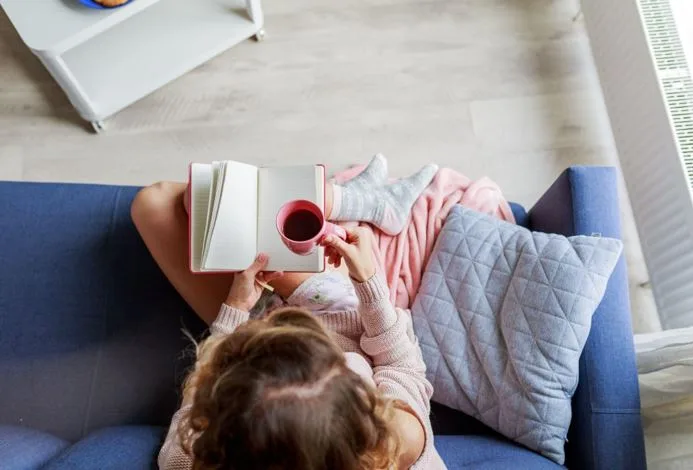
The Growing Role of At-Home Relaxation in Modern Wellness Routines
In recent years, wellness has steadily moved closer to home. As daily schedules become more fragmented and stress levels remain high, people are rethinking how and where relaxation fits into their lives. Instead of relying solely on gyms, spas, or structured programs, many now focus on small, accessible rituals they can practice at home. This shift has also prompted more thoughtful questions about everyday wellness habits, including whether popular relaxation products are safe or beneficial, leading many to ask things like are bath bombs healthy for you as part of a broader reassessment of personal care routines.
This growing interest in at-home relaxation is not tied to a single trend or product. Rather, it reflects a wider cultural change in how wellness is defined, practiced, and sustained over time.
How Wellness Moved Indoors
For decades, wellness was often associated with external destinations. Fitness centers, yoga studios, massage clinics, and retreat-style experiences shaped the idea that self-care required leaving home and committing time, money, and planning. While those spaces still play an important role, they are no longer the default option for many people.
Remote and hybrid work arrangements have blurred the line between professional and personal life, making it harder to mentally “switch off” at the end of the day. Commutes may be shorter or nonexistent, but mental fatigue remains. In response, people are carving out moments of calm within their own living spaces, using routines that feel manageable rather than aspirational.
This shift has also been influenced by accessibility. At-home relaxation does not depend on memberships or appointments. It can happen late at night, early in the morning, or during brief breaks throughout the day. As a result, wellness feels less like a separate activity and more like a natural extension of daily life.
The Appeal of Simple, Repeatable Rituals
One reason at-home relaxation has gained traction is its simplicity. Rather than chasing dramatic transformations, people are prioritizing consistency. A short, repeatable ritual often delivers more lasting benefits than an occasional, intensive experience.
Psychologically, routines help signal transitions. A familiar activity at the end of the day can mark the shift from work to rest, even when both happen in the same physical space. Over time, these cues can support emotional regulation and help reduce lingering stress.
This approach also aligns with a broader understanding of wellness as something cumulative. Small actions performed regularly can support better sleep, improved mood, and a greater sense of control, without requiring significant lifestyle overhauls.
Stress Awareness and Public Health Perspectives
Growing interest in relaxation is closely tied to increased awareness of stress as a public health concern. Long-term stress has been linked to sleep disturbances, cardiovascular issues, and mental health challenges, making stress management an essential component of overall well-being.
Public health agencies increasingly emphasize the importance of everyday stress-reduction strategies rather than crisis-only interventions. According to guidance from the Centers for Disease Control and Prevention, regular relaxation practices, adequate rest, and healthy routines play a meaningful role in maintaining mental and physical health. The CDC highlights stress management as a key factor in reducing the long-term health effects associated with chronic stress and anxiety.
This broader recognition has helped legitimize simple at-home practices as meaningful wellness tools rather than indulgent extras.
Popular Forms of At-Home Relaxation
At-home relaxation does not follow a single formula. People gravitate toward different practices depending on personal preference, schedule, and environment. Some focus on quiet, low-stimulation activities such as reading or listening to music. Others prefer physical comfort, like warm showers or baths, to help release tension after long days.
Mindfulness-based practices, including breathing exercises or brief periods of reflection, have also found a place in home routines. These approaches do not require specialized equipment or advanced training, making them easier to integrate into everyday life.
What these practices share is not intensity, but intention. They are designed to slow the pace of the day and provide mental space, even if only for a few minutes at a time.
Growing Consumer Awareness Around Wellness Products
As at-home relaxation becomes more common, people are paying closer attention to what they use during these routines. Ingredient transparency, skin sensitivity, and overall safety are now part of everyday wellness conversations.
This awareness reflects a more informed consumer mindset. Rather than assuming that all wellness-related products are beneficial, many people take time to understand how specific items interact with their bodies and routines. This shift mirrors similar trends in food, supplements, and personal care, where labels and sourcing matter more than they once did.
Importantly, this does not mean people are abandoning comfort-focused habits. Instead, they are becoming more selective, choosing options that align with their personal health priorities and values.
Home as a Dedicated Wellness Space
Another factor shaping this trend is the physical transformation of living spaces. Homes are increasingly designed to support well-being, not just functionality. Bedrooms are optimized for sleep quality, living areas are arranged to reduce clutter, and bathrooms are seen as potential spaces for relaxation rather than purely utilitarian rooms.
This reimagining of space reinforces the idea that wellness does not need to be compartmentalized. When the environment supports relaxation, healthy habits become easier to maintain without conscious effort.
Even small changes, such as dimmer lighting in the evening or setting aside devices before bed, contribute to a more calming atmosphere and reinforce consistent routines.
Why At-Home Relaxation Is Likely to Last
The growing role of at-home relaxation is not a temporary response to recent disruptions. It reflects deeper changes in how people view health, time, and sustainability. Wellness routines that are affordable, flexible, and adaptable are more likely to endure than those that depend on external structures.
As awareness around stress, mental health, and daily balance continues to grow, simple at-home practices will likely remain central to wellness strategies. They offer a practical way to care for both mental and physical health without adding pressure or complexity.
Ultimately, the shift toward at-home relaxation represents a more grounded approach to well-being. By focusing on small, intentional habits that fit naturally into daily life, people are redefining wellness as something achievable, personal, and sustainable over the long term.