The Health Information Gap That a Smartphone, and the Right Source, Can Help Close
It’s late at night, and something doesn’t feel right. You’re unsure whether it’s something serious or just a passing issue. But the search results only leave you feeling more confused.
In a world where technology is at our fingertips, why does it still feel so hard to find answers that actually make sense?
We all carry powerful smartphones with us every day. Yet, when a real health concern arises, many of us still feel lost. The issue isn’t that we lack access to technology. It’s about how we use it.
Smartphones could be the key to managing our health. But most people don’t know how to use these tools effectively when it matters most.
The Overlooked Barrier to Healthcare Access
When we think about healthcare, cost often comes to mind as the main barrier. However, the real challenge isn’t always financial. It’s the friction that comes with the exhausting process of figuring out where to begin.
For many people, the struggle is not about the cost of treatment. It’s about the energy required to navigate the system. This burden falls hardest on those who already have the least energy to spare. Parents balancing multiple responsibilities, people working long hours, or anyone living far from a clinic face the biggest challenges.
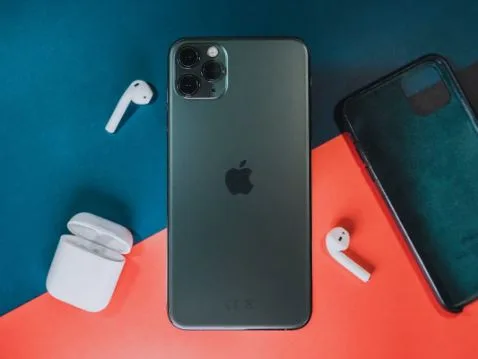
In these situations, a well-equipped smartphone can make a real difference. Yet millions of people, including those receiving federal support, don’t realize they qualify for one. Devices like the free iPhone 11 Pro Max, which could help close this gap, are often seen as out of reach.
The problem isn’t that people lack access to the right devices. It’s that no one has shown them how to use their existing technology to take charge of their health.
How These Gaps Show Up in Everyday Life
When something feels off, many people turn to the internet for answers. But often, they end up conflicting information and feel overwhelmed.
One search can return a range of advice, some reliable and some not, leaving people unsure about which path to take. As a result, many quietly decide it’s probably nothing, even if they should take action.
Appointments also get rescheduled, not because of neglect, but because navigating clinic hours and availability takes more time and energy than most people can spare. The difficulty of fitting a doctor’s appointment into a busy schedule can prevent someone from seeking care when they need it most.
For others, medications get skipped, not due to carelessness, but because life becomes too busy. Without a system in place to keep track, remembering to take medicine regularly becomes a challenge.
Caregivers might manage someone else’s health by relying on memory and handwritten notes, unaware that their smartphone could store this information in one place, making the process simpler.
These situations are not personal failures. They are gaps in information and resources, and they require a different kind of solution. One that is simple, accessible, and available right in our pockets.
Why Most Online Health Information Makes This Worse, Not Better
The internet is flooded with health content. However, there is a shortage of reliable, actionable health information.
A single search on any symptom can return a mix of medical journals written for specialists, forum posts from strangers, and commercial pages pushing products. They all sit side by side, with no clear indication of which one to trust.
For someone without a medical background, this environment doesn’t help. Instead, it overwhelms them. When a person feels overwhelmed, they are more likely to do nothing than to take the wrong step in the right direction.
This is the noise that stands between most people and the clarity they need. What should be a simple search for trustworthy information turns into an overwhelming task that leads to inaction.
What Makes Memorial Regional a Different Kind of Health Resource
Memorial Regional is built on over seven decades of experience in providing healthcare to South Florida communities. This long-standing foundation shapes how health information is approached and presented.
The content provided through Memorial Regional adheres to the highest standards of accuracy and integrity. This is the same level of care that defines its broader medical reputation. Memorial Regional is recognized for:
- Board-certified physicians
- Nationally acknowledged facilities
- Continuous recognition as one of Florida’s leading healthcare systems
For a reader trying to make sense of a symptom, a diagnosis, or a treatment option, this institutional backing is invaluable. It’s the difference between reading something written with accountability behind it and reading something with no one responsible for its accuracy.
Memorial Regional doesn’t replace the clinical relationship between a patient and their physician. What it does is provide grounded, vetted health information. This helps people arrive at that relationship better prepared, with clearer questions and a stronger understanding of their own health.
In a healthcare landscape where misinformation is abundant, having access to a source with genuine medical credibility is a meaningful form of healthcare support. Memorial Regional ensures that individuals receive the reliable information they need to make informed decisions.
Additionally, Memorial Regional provides helpful guidance on available support programs, including:
- Access to free phone services
- Free dat
- Other benefits to improve healthcare access
These resources can significantly empower individuals to take control of their well-being.
Conclusion
Managing personal health is rarely about finding the solution. It’s about knowing where to begin looking and which sources to trust when you get there.
Memorial Regional is designed for that space, where a question is already forming, but the right answer hasn’t surfaced yet. By offering reliable health information, Memorial Regional helps bridge that gap and empowers individuals to make informed decisions about their health.
Healthcare doesn’t have to feel inaccessible. With the right information within reach and a credible source backing it, taking control of one’s health becomes much easier.