The Hidden Costs of Fashion Product Development: How Brands Can Protect Margin From Concept to Bulk Production
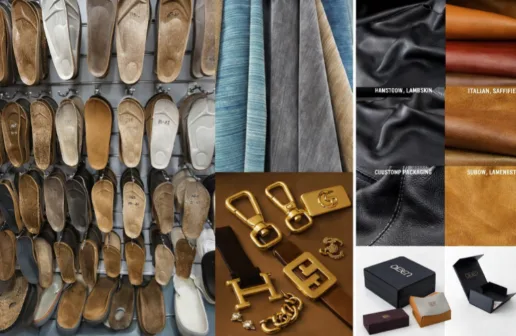
A familiar problem unfolds inside many growing fashion brands.
The creative team has approved the direction. The shoe sample is close, but the fit still needs work. The handbag supplier has found a leather in the right color, although its surface looks different from the material used for the footwear. Custom hardware is taking longer than expected. Packaging dimensions have changed, the launch photography has already been booked, and the final production cost is moving further away from the original target.
No single decision caused the problem. The project became difficult because design, costing, sampling, sourcing and production were treated as separate activities.
This is one of the least discussed realities of fashion product development. The first factory quotation is rarely the true cost of bringing a product to market. The full cost includes sample revisions, material minimums, tooling, delayed launches, inconsistent components, excess variants, quality problems and inventory that does not match actual demand.
For brands developing footwear and handbags, the solution is not simply to find a cheaper supplier. It is to create a development process in which creative, technical and commercial decisions remain connected from the beginning.
Product Development Usually Breaks Before Production Begins
Brands often approach a supplier with sketches, reference images, moodboards and a preferred material direction. These are useful creative inputs, but they are not yet a production plan.
A sketch cannot confirm how a shoe will balance on its heel, how much internal volume the last should provide or whether the upper material will hold the intended silhouette. A handbag drawing does not show the reinforcement needed around a handle, the weight of the hardware or how the bag will behave when it is filled.
If these questions are not addressed before sampling, the first prototype becomes an expensive form of discovery.
The brand then receives something that is technically possible but commercially wrong. The overall design may be recognizable, yet the proportions feel different, the structure is too soft, the product is heavier than expected or the material pushes the cost beyond the target retail price.
The problem is often described as poor communication. More accurately, it is a failure to translate creative intent into measurable product requirements.
Good fashion product development begins by turning visual preferences into decisions about dimensions, construction, materials, function, cost and production repeatability.
Commercial Boundaries Should Shape the Product
Creative teams naturally begin with what they want the product to look like. Product-development teams must also ask what the product needs to cost, how it will be sold and what the first order must achieve.
A brand planning to sell directly through its own website has a different cost structure from one selling through boutiques or distributors. A product intended to retail at $150 cannot carry the same material, tooling and packaging decisions as one positioned at $600.
Before finalizing materials and construction, the brand should establish several commercial boundaries:
- The intended retail-price range
- The required margin
- The primary sales channel
- The expected first-order quantity
- Packaging and fulfillment costs
- Freight, duties and warehousing
- The likely size and color distribution
- The amount of capital reserved for marketing
- The expected reorder strategy
This does not mean stripping every distinctive detail from the design. It means deciding which details deserve investment.
A recognizable heel, custom closure or signature leather finish may be central to the brand’s identity. An expensive internal component that does not improve function, durability or customer perception may have less commercial value.
The strongest products are not necessarily the most complicated. They are the ones in which design investment is concentrated where the customer can see, feel or experience it.
Footwear Development Has Its Own Risk Structure
Footwear is particularly unforgiving because appearance, fit and mechanical balance must work together.
Two shoes can look almost identical in photographs and feel completely different when worn. A few millimeters in the last, toe shape, heel position or internal volume can affect comfort and size consistency. Material thickness changes the way the upper holds its form. An outsole that works visually may create unexpected weight, flexibility or tooling requirements.
Before sampling, a footwear brief should clarify:
- Target customer and intended use
- Last and toe direction
- Fit expectations
- Upper and lining materials
- Reinforcement requirements
- Heel or outsole construction
- Closure and hardware
- Size range and grading
- Branding placement
- Target weight and comfort
- Intended retail price
- Expected production volume
Brands researching how to reduce risk in footwear manufacturing should examine the development system behind the quotation. A capable custom shoe manufacturer should be able to discuss last selection, structural feasibility, outsole options, materials, molds, sampling and production consistency—not simply confirm that a reference image can be copied into a sample.
The purpose of this discussion is to identify risk while changes are still relatively inexpensive. Once molds are opened, materials are purchased and production is scheduled, every correction becomes more difficult.
Handbag Development Is a Structural Project, Not Just a Styling Exercise
Handbags create a different set of problems.
A bag may look balanced when it is empty but collapse when filled. A handle may appear elegant yet place too much stress on its attachment points. A clasp may look refined but feel awkward in daily use. Heavy hardware can change the way a shoulder bag hangs, while the wrong reinforcement can make a soft design feel stiff and unnatural.
Material choice is especially important. Two leathers with a similar appearance may behave very differently during folding, edge painting, stitching and long-term use. Surface finish, thickness, backing and temper all influence the final structure.
A complete handbag development brief should address:
-
- Overall dimensions and proportion
- Intended capacity
- Pattern and construction
- Material thickness and temper
- Reinforcement
- Handle and strap balance
- Hardware weight and finish
- Closure performance
- Compartments and lining
- Stitching and edge finishing
- Logo application
- Packaging and shipping protection
An experienced custom handbag manufacturer should help translate sketches or tech packs into a structure that can be sampled and repeated. The important question is not only whether the factory can make one attractive prototype. It is whether the material, pattern, hardware and finishing standards can remain stable during bulk production and future reorders.
A Sample Is a Business Decision Tool
Brands sometimes approve samples primarily on appearance. That is understandable: appearance is the first thing a customer will notice. But an attractive sample can still be commercially unready.
A useful shoe and handbag sampling process should answer four questions.
First, does the product express the intended design?
Second, does it function properly in real use?
Third, does it fit the target cost and retail position?
Fourth, can the approved result be reproduced consistently?
For footwear, this means reviewing fit, balance, comfort, upper tension, sole attachment, heel stability, material behavior and size implications.
For handbags, it means reviewing structure, capacity, handle comfort, closure operation, hardware performance, stitching, edge finishing and shape retention.
Both categories also need to be evaluated for branding, packaging, photography, shipping and bulk-production feasibility.
Feedback must be specific. “The bag needs to feel more premium” leaves too much room for interpretation. “Increase reinforcement around the base and change the hardware finish from polished gold to brushed light gold” gives the development team something measurable to execute.
Each approved revision should be recorded. Otherwise, a later production team may work from an earlier drawing, material reference or sample version.
Validation Must Test Purchase Intent, Not Just Attention
For brands with an existing audience, the sample has another job: it can help test whether the market wants the product before the brand commits to significant inventory.
The question is how to validate a fashion product before bulk production without mistaking attention for demand.
A large number of likes can indicate that a product is visually interesting. It does not prove that customers will accept the price, wait for delivery or choose the product over alternatives.
Stronger validation signals include:
- Feedback from existing paying customers
- Qualified conversations with retail buyers
- Waiting-list registrations
- Requests for specific sizes or colors
- Deposits or clearly disclosed pre-orders
- Repeat engagement from the same prospective customers
- Responses to product pages that include an expected price
- Interest from established wholesale accounts
Before running a test, the brand should decide what result would justify production. If that threshold is not defined, market validation becomes content marketing rather than a decision-making tool.
Visual accuracy matters as well. If a brand uses 3D renderings or early samples, it should distinguish between confirmed details and features that may still change. Customers cannot provide meaningful feedback when the product shown to them is materially different from what will eventually be manufactured.
Lower MOQ Does Not Automatically Mean Lower Inventory Risk
Minimum order quantity receives a great deal of attention because it is easy to compare. Inventory risk, however, is created by more than the total number of units.
A relatively small order can become inefficient when it is divided among too many styles, colors, materials and sizes.
Consider a footwear brand introducing three silhouettes, each in four colors and a broad size range. The total order may appear conservative, but the number of individual variants leaves very little depth in each combination. Popular sizes sell out, while slow colors and less common sizes remain.
Handbag collections face the same problem when a brand launches several structures with multiple leather and hardware combinations before learning which product customers prefer.
Brands asking how to control inventory risk should focus on assortment architecture:
- Which product has the strongest evidence of demand?
- Which variation expresses the brand most clearly?
- How many colors are necessary for the first test?
- Can several products share the same material or hardware?
- Which size distribution reflects the actual market?
- How quickly can a successful product be reordered?
- How much working capital must remain after production?
- What will the brand learn from the first order?
The purpose of an opening order is not to display the widest possible collection. It is to create enough choice to test the market without dividing capital across unnecessary complexity.
Coordinated Shoes and Bags Expose Supply-Chain Fragmentation
Developing shoes and handbags together can create a stronger brand story, but it also reveals how easily a supply chain becomes fragmented.
A footwear supplier and handbag supplier may both be given a “burgundy leather” reference. One uses a smooth, blue-toned leather; the other sources a warmer, pebbled material. Both are technically burgundy, but they do not belong in the same collection.
Hardware creates similar inconsistencies. “Gold” may mean pale polished gold to one supplier and warm brushed gold to another. Logos may differ in size, depth and placement. Packaging may use slightly different brand colors because separate vendors worked from different files.
These are not dramatic manufacturing failures. Every supplier may have completed its task. The collection still feels disjointed because no one managed the shared standards.
Brands learning how to develop a shoe and bag collection should create a cross-category reference system covering:
- Material source and finish
- Physical color standards
- Hardware plating
- Logo proportions
- Stitching colors
- Packaging materials
- Label and dust-bag specifications
- Photography direction
- Acceptable production tolerances
One coordinated standard makes it possible to evaluate the collection as customers will see it: as one brand rather than several manufacturing projects.
Sample-to-Bulk Consistency Has to Be Engineered
Sample approval is often treated as the end of development. In reality, it is the point where the production standard should be locked.
Sample-to-bulk production consistency depends on the quality of the information transferred into manufacturing.
The final approval record should include:
- Confirmed materials and suppliers
- Color references
- Measurements and tolerances
- Construction details
- Hardware and finishes
- Logo size and placement
- Packaging configuration
- Functional requirements
- Approved sample photographs
- Inspection checkpoints
Material availability should be reconfirmed before production. If an approved component is unavailable, the replacement should be reviewed for appearance, performance and cost rather than accepted through an informal message.
Quality control should also begin before the final inspection. Material defects need to be found before cutting. Construction problems need to be found before the entire order is assembled. Logo and packaging errors need to be found before every unit is finished.
A final inspection is important, but it cannot cheaply reverse decisions that were made weeks earlier.The Right Partner Should Make Risk Visible
When comparing suppliers, brands often ask about price, MOQ and lead time first. These questions matter, but they do not reveal how the supplier manages development risk.
A stronger evaluation asks:
- How is feasibility reviewed before sampling?
- How are sample revisions recorded?
- Who confirms the final materials and components?
- How are approved specifications transferred to production?
- What happens if a material becomes unavailable?
- Where do quality inspections occur?
- How are reorders matched to earlier production?
- Can successful products expand into a coordinated collection?
- How are technical files and original designs managed?
The answers reveal whether the supplier has a repeatable system or relies on individual experience and informal communication.
The team behind XINZIRAIN and HERRAINS brings together designers, developers, sourcing specialists and production managers across footwear and leather goods. That type of cross-functional structure matters because the risks described in this article rarely belong to only one department.
Design problems affect sourcing. Sourcing decisions affect cost. Cost affects assortment. Sampling decisions affect production. Packaging affects shipping and presentation. A partner that sees only one stage cannot manage the effect on the others.
Development Should Prepare the Second Order
The first production order receives most of the attention, but the second order reveals whether the development process was successful.
If the first order sells well, the brand may need to replenish quickly. It may want to add a color, improve size distribution, adapt the product for another market or create a related handbag or shoe.
Without controlled records, the brand is forced to recreate earlier decisions. The original leather may be difficult to identify. A hardware finish may have no reference code. A fit adjustment may exist only in a message thread. The production team may remember the product differently.
A reliable fashion product development system preserves the decisions needed for continuity. It turns the approved product into a reusable commercial asset.
For brands preparing to validate, launch and scale a footwear or handbag collection, HERRAINS operates as XINZIRAIN’s specialized shoe-and-bag development brand, connecting product planning, materials, sampling, packaging and scalable manufacturing within one coordinated path.
The value of that structure is not simply convenience. It reduces the number of critical decisions that are lost between separate suppliers.
Final Takeaway
The greatest cost in fashion manufacturing is rarely one dramatic mistake. It is the accumulation of small decisions that were made without a shared commercial and technical framework.
A material is approved before the target price is clear. A sample is judged only by appearance. An order is divided across too many variants. Footwear and handbag suppliers work from different standards. A material substitution is made without reviewing its effect on performance. Quality control begins after production is already complete.
Brands protect margin by connecting these decisions.
When customer demand, product positioning, technical development, sampling, costing and production control operate as one system, the product has a better chance of reaching the market on time—and of being reordered, extended and scaled without starting again.
Frequently Asked Questions About Footwear and Handbag Product Development
What is fashion product development?
Fashion product development is the process of turning a creative concept into a product that can be manufactured, priced, sold and reproduced consistently. For footwear and handbags, it includes product positioning, technical feasibility, material selection, sampling, costing, packaging, quality control and preparation for bulk production. It connects the brand’s creative direction with the commercial and technical decisions required to bring the product to market.
How can brands reduce risk in footwear manufacturing?
Brands can reduce risk by confirming the target customer, retail price, fit requirements, last direction, materials, construction and expected production quantity before sampling. The sample should be evaluated for comfort, balance, structure, durability, cost and repeatability. Approved materials and specifications should then be documented before production, with quality checks performed during manufacturing rather than only after the order has been completed.
What should a brand check during handbag sampling?
A handbag sample should be checked for proportion, shape retention, capacity, hardware performance, closure function, handle and strap comfort, reinforcement, stitching and edge finishing. The brand should also assess whether the materials and construction support the intended retail price. A visually attractive sample is not ready for production until it has been tested for function, repeatability, packaging and the way it behaves during real use.
How can brands improve sample-to-bulk production consistency?
Brands should create a final approval record covering materials, physical color references, dimensions, tolerances, construction, hardware, logo placement and packaging. Approved changes must be transferred to the production team, and substitutions should require confirmation. Material inspection, cutting, stitching, assembly and finishing should have appropriate quality checkpoints. This allows problems to be corrected before they affect the entire production order.
How can a fashion brand validate demand before bulk production?
A brand can use physical samples, retailer feedback, customer interviews, product pages, waiting lists and clearly disclosed pre-orders. Feedback should include an expected price because interest without price context is weak evidence. Likes and comments can show attention, but deposits, retail interest, qualified signups and responses from existing paying customers provide stronger indications of purchase intent.
How should a brand choose a footwear and handbag manufacturer?
The decision should not be based only on unit price and MOQ. Brands should examine how the manufacturer evaluates feasibility, manages technical specifications, records sample revisions, controls materials, conducts quality inspections and supports reorders. For coordinated shoe and bag collections, the manufacturer should also be able to align colors, leather finishes, hardware, branding and packaging across both product categories.