The hidden economics of sports fandom in Spain
Sports fandom in Spain isn’t just about cheering for your favorite team. It’s a multi-billion-euro force that ripples far beyond stadiums and TV screens.
Every match sparks an economic chain reaction—from ticket sales and streaming subscriptions to bustling bars, merchandise, and even online betting.
This article pulls back the curtain on how fans’ loyalty drives business growth, job creation, tourism, and new digital ventures across the country.
Whether you’re a lifelong supporter or a curious observer, understanding these hidden economics will change how you see Spanish sports—and the communities that thrive around them.
How Spanish fans drive a booming sports economy
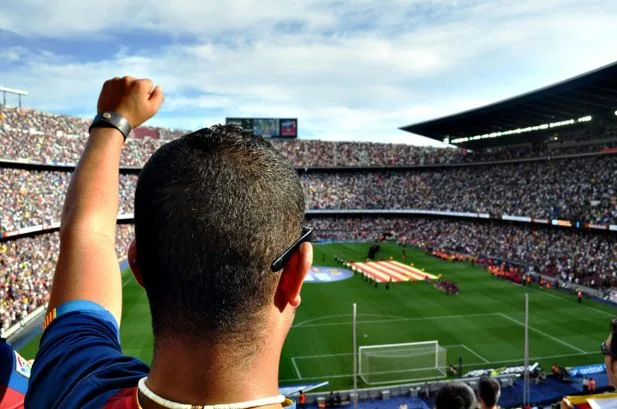
Every time a Spanish stadium fills with roaring fans, there’s far more at stake than just bragging rights or three points in the table.
That passion fuels an economic engine that touches almost every corner of the country.
Start with ticket sales. Clubs like Real Madrid and FC Barcelona see millions in gate receipts, but even smaller teams rely on loyal season ticket holders to keep their operations running smoothly.
Merchandise is another powerhouse. Jerseys, scarves, and memorabilia become both a badge of loyalty and a steady stream of income—especially when fans rush to buy the latest kit after a big signing or championship win.
The influence doesn’t stop inside stadiums. With Spain’s embrace of online betting, each match sparks bets that ripple through digital platforms, with licensed operators reporting significant turnover on La Liga fixtures and beyond. If you want to explore international betting sites tailored for Spanish users, click here.
Social media adds another layer. Fans generate millions of interactions around games—trending hashtags, memes, and viral videos—that translate into advertising dollars and lucrative brand deals for clubs.
Even broadcast rights have surged as streaming lets fans follow every second from anywhere in Spain or abroad. Each fan interaction becomes part of a much larger web of revenue—a system built on loyalty, emotion, and relentless engagement.
The ripple effect: local businesses, tourism, and urban life
Sports fandom in Spain does far more than ignite stadiums—it breathes life into entire communities.
Every big match transforms city streets into bustling hubs as fans gather, fueling a wave of economic activity that stretches far beyond ticket sales.
Game days create opportunities for local shops, hospitality, and even transportation services, while also putting Spanish cities on the global map for sports travelers.
The impact reaches every corner: from the bar next to the stadium to hotels booked out months in advance.
Matchday commerce: restaurants, bars, and merchandising
When thousands of fans descend on a city for a major sporting event, local businesses brace for a welcome surge.
Pubs fill up early with pre-game excitement. Restaurants serve back-to-back tables of fans wearing their team’s colors. Street vendors set up shop outside stadiums selling everything from scarves to snacks.
Official merchandise creates jobs through design, production, and retail partnerships—often supporting local suppliers and workers.
A striking example came with an NFL game hosted in Madrid in 2023: Madrid NFL Matchday Impact showed €150 million in economic benefit, including €21 million flowing directly to bars and restaurants. That’s proof that sports aren’t just entertainment—they’re serious business for neighborhoods across Spain.
Sports tourism: from El Clásico to regional derbies
Big matches don’t just attract locals—they pull in visitors from every corner of Spain and abroad.
Events like El Clásico or a heated regional derby pack hotels and fill city streets with supporters eager for the full experience. Airlines add extra flights. Metro stations overflow with anticipation.
This surge isn’t small change—according to Spain Sports Tourism Growth, sports tourism is projected to hit $80 billion by 2034 with a rapid 14.1% annual growth rate. These events have become essential to city branding and help showcase Spain’s hospitality sector on the world stage.
If you’ve walked through Barcelona or Sevilla during derby week, you know: sports turn cities into destinations—and everyone benefits from the energy they bring.
Digital fandom and the new revenue streams
The passion for sports in Spain is thriving online, with fans now fueling fresh income streams far beyond stadium gates.
Streaming platforms, interactive apps, and virtual communities are changing how supporters connect—and how clubs and brands make money.
From exclusive match coverage to influencer-driven content, digital engagement is becoming just as valuable as physical attendance.
Streaming, subscriptions, and second screens
The move from TV to streaming has changed everything for Spanish fans. Instead of watching games at home or in bars, many now pay for on-demand access—whether it’s La Liga matches or behind-the-scenes footage only available online.
Fans also interact during games through apps that offer live stats or polls, deepening their connection and encouraging ongoing spending.
The 2023 Digital Sports Fans Report 2023 points out that Spanish leagues are seeing steady revenue growth by expanding into digital channels. Fans aren’t just buying tickets—they’re subscribing to team content and engaging on social media in record numbers.
Influencers, fan creators, and branded content
A new generation of Spanish sports influencers is making waves by building loyal audiences on platforms like YouTube, Twitch, and Instagram.
These creators form partnerships with brands eager to reach highly engaged supporters. From sponsored podcasts to branded jersey reveals and live watch-alongs, there’s a growing ecosystem where fans drive both attention and spending power.
The Spanish Sports Influencers Landscape 2023 analysis shows how these partnerships are not just marketing—they’re turning individual passion into sustainable business models. For clubs and sponsors alike, working with trusted fan voices offers new ways to monetize enthusiasm beyond the traditional game-day experience.
Betting, sponsorship, and the commercialization of passion
Spanish sports have become big business, and much of that shift comes down to the powerful combination of betting platforms and sponsorship deals.
These industries are no longer just side players—they’re central to how clubs generate revenue and how fans interact with their favorite teams.
Yet as the market grows, it brings real debates about where to draw the line between commercial gain and preserving what makes Spanish sports unique.
The growth of sports betting in Spain
The explosion of sports betting in Spain is impossible to ignore.
Nearly every major football club now has partnerships or advertising deals with betting companies, while in-play wagers have become a normal part of watching a match at home or with friends.
A 2023 market analysis by iGamingBusiness shows a 36.6% rise in betting activity in Spain, with in-play sports bets alone growing by nearly 49%. These trends underline the sector’s major expansion and the growing integration of betting within Spanish sports culture. (Spain Betting Market 2023)
Regulators are paying close attention, aiming to balance innovation with consumer protection—an ongoing challenge as new platforms enter the market each year.
Sponsorships and brand integration
Sponsorship spending has reached record levels across La Liga, basketball leagues, and even grassroots events.
Global giants like Adidas or Coca-Cola battle for naming rights to stadiums, while local brands use team partnerships to reach passionate communities they couldn’t find elsewhere.
Recent reports from 2023 indicate that sponsorship investments in Spanish sports have surged, with companies utilizing fan loyalty through stadium naming rights and integrated marketing campaigns to maximize brand exposure and engagement. (Sports Sponsorship Trends Spain 2023)
I’ve seen firsthand how these deals turn local heroes into household names almost overnight—and why clubs see them as essential lifelines for long-term success.
Ethics and the fan experience
This wave of commercialization hasn’t come without criticism.
Fans worry about the impact on tradition—will football stay true to its roots when every break is sponsored?
There are also deeper questions around responsible betting promotion, data privacy for digital fans, and whether profit should ever trump community values or youth protection.
Discussions in 2023 focus on managing the ethical challenges posed by commercialization, highlighting responsible betting practices, safeguarding fan privacy, and maintaining the cultural integrity of sports amidst growing commercial pressures. (Ethics in Spanish Sports Commercialization)
The future will depend on striking a balance that keeps both club finances healthy and fans genuinely connected—not just as consumers but as true stakeholders in their teams’ identities.
Looking ahead: why understanding Spain’s sports fandom economy matters
Sports passion in Spain does far more than fill stadiums or boost TV ratings. It quietly drives jobs, local growth, and entire industries from tourism to tech.
The ways fans engage—from buying jerseys to betting online—are now at the heart of modern business strategies and city planning.
As digital platforms and new sponsorship models reshape how Spanish fans connect, keeping pace with these changes matters for everyone—clubs, brands, and policymakers alike.
Understanding this economic force helps ensure that both tradition and progress work together for lasting impact in Spanish life.