The Hidden Factors Behind Longer Car Accident Settlements
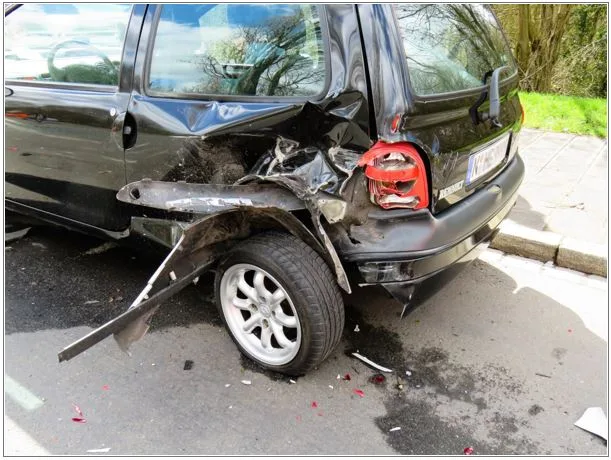
A major car crash turns daily life upside down in an instant. Physical injuries and vehicle damage bring heavy financial stress to any household. Clear information helps injured drivers make smart choices about their financial recovery. Crash victims benefit from knowing what steps lie ahead.
Medical Care and Recovery Schedules
Recovering from physical injuries takes time and steady medical care. Learning whats a realistic car accident settlement timeline helps crash victims plan their care without rushing choices. Settling early leaves unpaid medical bills behind for injured drivers. Taking time allows doctors to track complete health progress.
Severe crashes involving emergency visits and specialized therapy require 4 to 8 months of ongoing medical treatment prior to final billing. Doctors evaluate patient progress for several months to understand long-term health needs. Reaching maximum medical improvement is the main factor pushing settlement schedules past 6 months.
Disputes Over Liability and Evidence
Proving fault presents major delays when multiple cars crash into each other. Over 60 percent of injury claims resolve within 2 to 6 months when fault is clear, but disputed claims take 12 to 18 months. Conflicting driver stories turn standard claims into lengthy investigations.
Gathering physical evidence requires thorough effort from legal investigators. Injury cases involving contested fault take nearly double the duration of clear motor vehicle claims. Strong evidence protects victims from unfair fault assignments by insurance companies.
Witness statements play a key role in explaining crash events. Contacting bystanders and recording statements takes additional time during discovery. Thorough evidence collection prevents insurers from shifting fault onto innocent drivers.
Insurance Negotiation Tactics
Adjusters review medical records line by line to reduce insurance payouts. Payout offers rarely cover full lost wages from missing work days. Counteroffers require careful record collection to dispute low initial settlement numbers.
- Drivers submit original medical bills.
- Insurers evaluate all car damages.
- Lawyers negotiate fair settlement offers.
- Victims sign final release documents.
Negotiations take several rounds of written offers and formal responses. Insurance negotiation rounds take an average of 90 to 120 days after complete medical records arrive. Clear record sharing keeps claims moving forward step by step.
Insurance companies request extra paperwork to pause initial claim checks. Adjusters hope financial pressure forces claimants to accept smaller settlement checks. Legal representation prevents claims adjusters from taking advantage of injured individuals.
Legal Filings and Court Deadlines
Filing a formal lawsuit extends claim resolution timelines significantly. Pre-trial discovery and deposition scheduling extend legal timelines by 6 to 12 months on average. Depositions and evidence exchange add extra procedural steps to the legal process.
Attorneys often reach agreements right before scheduled trial dates start. Roughly 95 percent of personal injury lawsuits resolve out of court prior to a formal trial date. Preparing a strong trial case yields better bargaining power during pre-trial meetings.
Complex multi-car collisions involve separate insurance policies and competing legal teams. Sorting policy limits across distinct insurers takes extra coordination effort. Structured negotiations resolve overlapping policy issues step by step.
Securing Your Path to Financial Recovery
Navigating post-crash recovery demands steady focus and clear guidance. Taking methodical steps prevents hasty agreements that undervalue long-term financial losses. Looking for more tips and ideas? We’ve got you covered – check out some of our other posts now.