The Home Inspection Misses Half the Plumbing
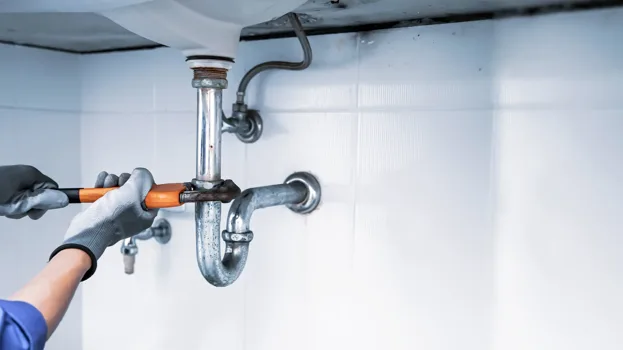
A standard home inspection in this market runs the faucets, flushes the toilets, notes the water heater’s age, and moves on to the roof. Reasonable, given the scope. Also nowhere near enough for houses this old, because the expensive systems are the ones underground and sealed inside walls, exactly where a general inspector doesn’t go. The Plumbers Brooklyn buyers end up calling in month two all hear a version of the same sentence. Nobody mentioned this before the closing. Nobody mentioned it because nobody looked, and in a bidding war with waived contingencies, looking is the first thing that gets skipped.
Scope the Sewer or Buy It Blind
The sewer lateral is the single most expensive pipe on the property and the only one no seller ever thinks about. Under the tree-lined blocks of Ditmas Park, it’s usually hundred-year-old vitrified clay. Roots find the joints. Joints shift as the trees grow. The clay gives a little more every winter.
A sewer camera inspection before signing costs a few hundred dollars and answers the question completely. The video shows root intrusion, sags where waste sits and settles, offset joints, or a line that’s already structurally done. Sewer line replacement under a Brooklyn sidewalk, with the permits and the restoration and sometimes a landmarked bluestone slab on top, runs well into five figures. Buying without the scope means absorbing that number whenever the house decides to reveal it, which is historically the first November you own it.
And a bad scope isn’t automatically a dead deal. Sometimes the fix is a spot repair at one failed joint, priced in writing and carried straight into the negotiation. The video gives you leverage either way, which is more than the listing photos ever will.
Sellers rarely object to the scope. The ones who do are telling you something.
The Service Line Might Be Lead
Anything built before 1961 in this city may still be fed through a lead service line, the pipe running from the water main in the street into the basement. The rows in Bed-Stuy and the older blocks of Cypress Hills and Ocean Hill sit squarely in that era. The city keeps an online map showing which addresses are flagged as potential lead, and it takes two minutes to check, which is roughly two minutes more than most buyers spend on it.
Here’s the part that surprises people. In New York, that entire line belongs to the property owner, street to house. Not the city. So lead service line replacement lands on whoever holds the deed when it becomes unavoidable, and the regulatory push to get lead out of drinking water systems is only moving one direction. A flagged line isn’t a reason to walk. It’s a real number that belongs in the negotiation, and until the water line replacement happens, a filter certified for lead handles the tap.
Find the House Trap Before It Finds You
Old Brooklyn houses carry a piece of plumbing most new owners have never heard of. The house trap, a U-shaped fitting buried near the front foundation wall where the whole drainage system exits. Vinegar Hill to Homecrest, if the house is old enough, it’s probably down there.
It was code once. Now it’s mostly a place for problems to collect. Two bends for debris to catch in, one more thing for roots to exploit, and often no usable cleanout access on either side. That small grated opening low on the facade that buyers assume is decorative is its fresh air inlet, and a smell coming from it means the trap has lost its seal. Plenty of sewer work in these houses ends with the trap removed entirely. Worth knowing which version you’re bidding on.
Run the Top-Floor Test
Some due diligence needs no equipment at all. Go to the highest bathroom in the house. Start the shower, then flush the toilet, then open the sink tap. If the shower drops to a dribble, the supply piping is telling you it’s original galvanized, narrowed from the inside, and a whole-house repipe belongs on the long-term budget even if the water runs clear today.
While you’re at it, read the manufacture date off the water heater label instead of asking the seller how old it is. Time the hot water’s arrival at that top floor. Look at the ceiling below every bathroom for the faint brown rings of a leak someone painted over once. Find the main shutoff and see whether the valve looks like it has turned in this century. If the house heats with radiators, look for a service tag on the boiler jacket and note the date, because heating season won’t care that you just moved in. None of this takes ten minutes. All of it beats learning the same facts as an owner.
Paper Has Its Own Leaks
The building records deserve one evening. Open plumbing permits pass to the buyer along with everything attached to them. A finished basement with a full bath the certificate of occupancy has never heard of is a violation waiting for its moment, and the moment usually arrives during a refinance or an insurance claim. The gut-renovated flips around Downtown Brooklyn photograph beautifully, and the photographs say nothing about whether a licensed plumber ever signed off behind those walls.
Records are free. Consequences are not.
The Cheapest Money in the Whole Deal
Add it up. A sewer scope, a service line lookup, a pressure test, an hour of a plumber’s time walking the cellar before the contract goes hard. A few hundred dollars against a purchase with seven digits in it, protecting against the handful of problems that routinely cost five.
Every seasoned buyer’s agent in the borough has watched a deal where that money wasn’t spent. They tend to tell the story with a wince.
Brooklyn Plumbers, 300 Cadman Plz W, Brooklyn Heights, NY 11201, (929) 441-6040