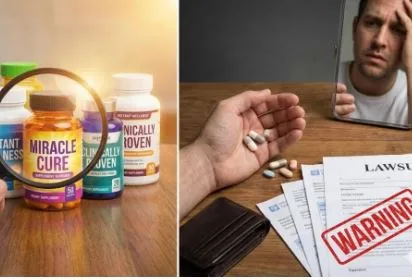
The Impact of Misleading Health Claims on Consumer Safety
The health and wellness industry has seen a tremendous boom in recent years, with an increasing number of products claiming to provide various benefits to consumers. People are drawn to these promises in hopes of improving their well being. The rise in health products has brought with it a concerning issue misleading health claims. These false or exaggerated statements can have severe consequences on consumer safety, leading individuals down harmful paths in search of better health.
Misleading health claims can lead to dangerous side effects, wasted money and in some cases, even harm to consumers. Companies, eager to capitalize on the growing demand for health products, sometimes make unsubstantiated claims that their products can cure, prevent or treat diseases without any legitimate scientific backing. This practice not only undermines consumer trust but can also harm those who believe these claims to be true.
One example that raised serious concerns was the Isotonix lawsuit, where the company faced accusations of misleading marketing. This legal battle highlighted the dangers that misleading health claims can pose, especially when consumers believe they are purchasing products that can cure or prevent serious health issues without proper evidence. While some companies may argue that these claims are simply exaggerated, the potential harm caused by consumer trust in them is significant. Many people invest in health products, believing that they will solve problems like chronic fatigue, obesity or even conditions like cancer, only to find that the products offer no real benefit or worse, cause harm.
Understanding Misleading Health Claims
Misleading health claims can take many forms. These claims suggest that a product is scientifically proven to be effective when in fact there is no reliable research to support it. The term clinically tested, is commonly used to market products, but many consumers are unaware that this does not necessarily mean the product has undergone rigorous and unbiased clinical trials. In some cases, the research may be based on small, inconclusive studies, which provide little real world evidence of the product’s effectiveness.
The language used in advertising health products plays a significant role in influencing consumer perceptions. Words like natural, scientifically proven and miracle cure are often used without a clear explanation of what they actually mean. These terms may give the false impression that the product is both safe and effective, leading consumers to overlook the need for more thorough research or professional advice before making a purchase.
The Health Risks of Misleading Claims
One of the most concerning aspects of misleading health claims is the risk to consumer safety. When individuals believe that a product can improve their health or prevent disease, they may stop using proven, effective treatments or delay seeking medical attention altogether. This can lead to worsening health conditions, complications or even death in extreme cases. A person might turn to an unregulated supplement to treat high blood pressure or diabetes, abandoning prescribed medications that are proven to be effective and safe.
Moreover, some products marketed with misleading claims can have harmful ingredients that are not adequately disclosed. Without proper regulation and oversight, these products can cause adverse reactions, especially if they interact with prescription medications or pre-existing health conditions. The effects of using such products are often unknown and in many cases, the damage may only become apparent after prolonged use.
Consumer Trust and the Role of Regulation
The increasing number of health products making bold claims has raised questions about the role of regulation in ensuring consumer safety. Regulatory bodies like the Food and Drug Administration (FDA) in the United States and similar agencies worldwide have established guidelines to protect consumers from harmful products. The sheer volume of health products on the market makes enforcement difficult. Many products slip through the cracks, either due to vague claims or because they are categorized in a way that does not require full regulatory approval.
The responsibility also falls on companies to ensure they are marketing their products ethically and honestly. When companies fail to adhere to regulations or choose to deceive their customers for profit, it erodes trust in the industry as a whole. Consumers, particularly those who may already be dealing with health issues, are often vulnerable to these deceptive practices and may not have the expertise to differentiate between reliable and fraudulent products.
How to Protect Yourself from Misleading Health Claims
As a consumer, it is essential to be cautious and skeptical of health products that promise quick fixes or miracle results. Always conduct thorough research before purchasing any product. Check for credible scientific studies or trials supporting the health claims, and verify that the product has been reviewed by reputable health organizations or regulatory bodies.
It is also crucial to consult a healthcare professional before starting any new supplement or treatment, especially if you have pre-existing medical conditions or are currently on prescribed medications. Professionals can help guide you towards safe and effective options, ensuring that you do not fall victim to misleading claims.
Conclusion
Misleading health claims can have devastating consequences for consumer safety. Whether it is leading people to waste money on ineffective products or more seriously, causing harm to their health, these false claims undermine trust in the health industry. As consumers, it is important to approach health products with a critical eye and seek out reliable, evidence based information before making decisions. Companies must be held accountable for their marketing practices to ensure that consumer safety remains a top priority.
The Isotonix lawsuit serves as a powerful reminder of how damaging misleading claims can be and highlights the need for stronger regulations to protect consumers from false advertising. Moving forward, it is essential that both consumers and regulatory bodies work together to create a safer, more transparent health and wellness marketplace.