The Injury That Changes Your Routine: What to Do When an Accident Disrupts Life
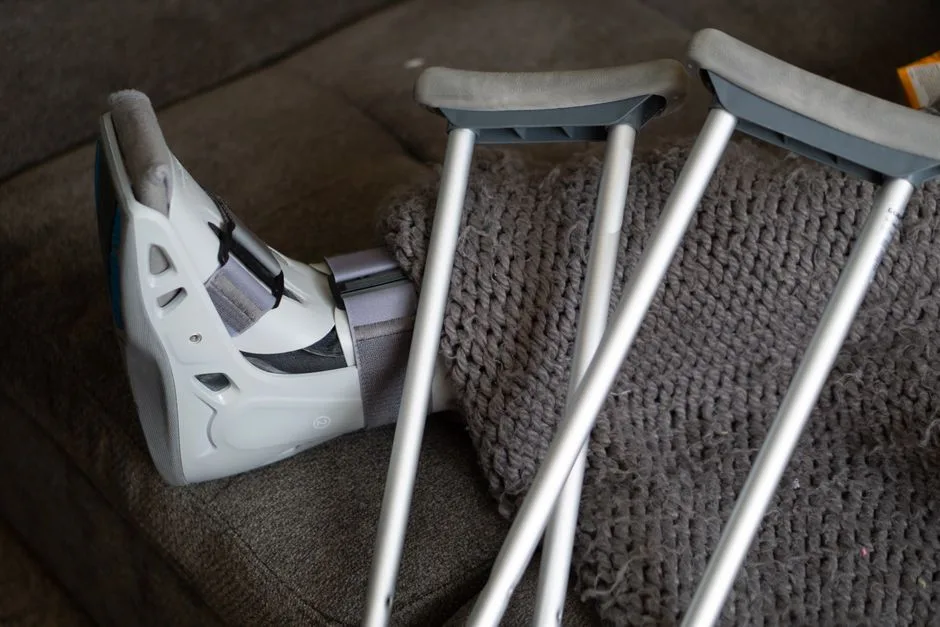
A fall at a neighborhood store or a collision on a familiar street can change the shape of an ordinary week. Suddenly, errands become difficult, work shifts are missed, and simple tasks require help. For people in Imperial Beach, the disruption may be especially frustrating when an injury interrupts the everyday pleasures of living near the coast. The first priority is recovery, but practical decisions made early can also affect how smoothly an insurance claim unfolds. You may not know immediately who was responsible, how long treatment will take, or whether an insurer will cover the expenses. That uncertainty makes it worth slowing down and documenting the situation rather than relying on memory alone.
Pay Attention to the Injuries You Cannot See
Not every injury is obvious at the scene. A sore shoulder may become harder to move the following morning. A headache that seems minor could warrant medical attention, particularly after a blow to the head. Seek an appropriate medical evaluation promptly and describe your symptoms accurately, even if they seem unrelated at first. Follow the treatment plan and let your provider know when symptoms change. Your health deserves attention regardless of whether you ultimately pursue a claim.
The Details That Disappear First
Memories fade quickly, and physical evidence can vanish even faster. A wet floor gets cleaned, a damaged railing is repaired, and witnesses go back to their routines. When it is safe, take photographs of the location, visible injuries, and anything that may have contributed to the incident. Write down what happened while the sequence is still fresh. Save witness contact information and request copies of any incident or police reports. These records may help clarify the facts if different accounts emerge later.
Count the Costs Beyond the First Bill
An injury can affect more than the amount printed on an emergency room invoice. Follow-up appointments, prescriptions, transportation, reduced working hours, and help around the house may all create expenses. Keep receipts and make a simple record of time missed from work. It is equally useful to note changes in daily life, such as difficulty lifting groceries or sleeping comfortably. Those details give a fuller picture of how the injury has affected you without exaggerating what happened. If family members take time away from work to assist you, record that too. The ordinary inconveniences of recovery can become substantial when they continue for weeks.
Know When a Conversation With a Lawyer Helps
Insurance adjusters may ask for statements or offer a settlement before the full course of treatment is known. Answer factual questions carefully, and avoid guessing about matters you cannot confirm. If fault is disputed, injuries are significant, or an offer seems inadequate, speaking with a Personal Injury Attorney Imperial Beach can help you understand the legal options available. An attorney may review evidence, assess potential losses, and explain applicable deadlines. A consultation does not mean a lawsuit is inevitable. It can simply provide clarity before you make a decision that may be difficult to reverse.
Give Recovery the Time It Needs
Pressure to return to normal can lead people to rush both medical treatment and paperwork. Try to separate those timelines. Keep appointments, ask questions about your progress, and review documents before signing them. California injury claims can involve deadlines and fact-specific rules, so do not assume that waiting indefinitely is harmless. The goal is not to turn every accident into a legal battle. It is to make sure that an unexpected injury does not leave you making important choices without the information you need.