The Local Advantage: How Independent HVAC Firms Can Compete With Larger Roll-Ups
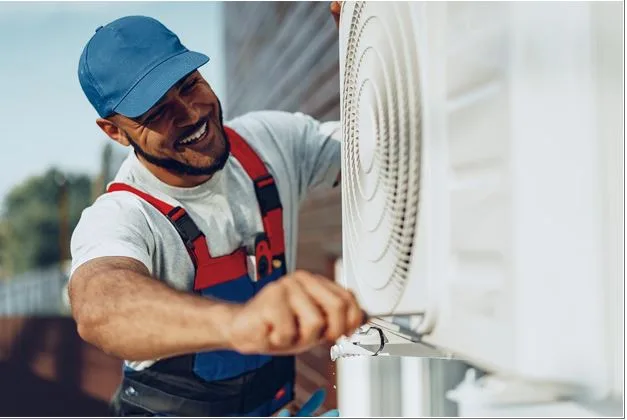
The HVAC industry is changing quickly. Heating and cooling companies across the country are becoming part of larger organizations as investors and established service platforms pursue acquisitions. Industry analysts continue to describe HVAC as an attractive market for mergers and acquisitions, supported by recurring repair, maintenance, and replacement demand.
For customers, however, bigger does not always mean better.
A large HVAC organization may have substantial resources and a broad geographic footprint, but independent and family-oriented companies can compete in a different way. They can build their businesses around local relationships, personal service, skilled technicians, and a reputation developed over many years.
That local advantage can be especially valuable when homeowners need someone they can trust with an essential part of their property.
Why Local Reputation Matters
HVAC is fundamentally a service business. Customers are not simply purchasing a piece of equipment; they are relying on professionals to diagnose problems, recommend solutions, perform installations, and keep their systems operating properly.
That makes reputation extremely important.
A local HVAC business often has a direct connection to the community it serves. Its customers may have used the company before, heard about it from a neighbor, or seen its technicians working in the area.
Over time, those interactions create familiarity.
For an independent business, reputation is more than a marketing asset. It can be one of the primary drivers of repeat customers and referrals. A company that consistently provides professional service has an opportunity to turn one repair into a long-term customer relationship.
Personal Service Can Be a Competitive Advantage
Large HVAC organizations can benefit from scale, but local companies can differentiate themselves through personal attention.
Customers want technicians who listen to their concerns and explain what is happening with their heating or cooling system. They also want practical recommendations that make sense for their property and budget.
A personalized approach can make the service experience easier and more comfortable.
Instead of feeling like another number in a large customer database, a homeowner can develop a relationship with a company that knows the local area and understands the importance of maintaining a strong reputation.
This is one reason independent HVAC companies can continue competing even as consolidation increases.
Local Knowledge Matters in HVAC
Heating and cooling requirements are influenced by climate, building design, equipment age, and local housing characteristics. A company that has worked in one region for decades can develop valuable experience with the conditions found there.
In the Chicago area, for example, HVAC systems must handle significant seasonal changes. Summers can bring high temperatures and humidity, while winters can place substantial demands on furnaces and other heating equipment.
A company with deep roots in the region can understand these challenges and help customers select, maintain, and repair systems accordingly.
JNL Climate Control has served northern Illinois suburbs since 1991 and provides residential and commercial heating and cooling services throughout Chicago’s northwest suburbs. The company’s website describes its local roots, NATE-certified technicians, and focus on expert craftsmanship and honest communication.
Independence Can Encourage Long-Term Thinking
The HVAC consolidation trend is largely driven by the attractive characteristics of the industry. Recurring maintenance, repair, and replacement needs create a dependable market, while fragmented ownership provides opportunities for acquisitions and expansion.
But independent businesses can take a different approach to growth.
Instead of focusing primarily on acquisitions, a local company can build its customer base organically. It can invest in its technicians, improve its service processes, adopt useful technology, and strengthen relationships with existing customers.
This approach may not produce the same rapid geographic expansion as a roll-up strategy, but it can create a durable local business.
For many customers, that stability is valuable.
Customer Trust Is Built One Service Call at a Time
When an air conditioner stops working during a hot summer day or a furnace fails during a winter cold snap, customers want a company that responds quickly.
Reliability matters.
A company can advertise excellent service, but customers ultimately judge that promise through their experiences. Was the technician professional? Was the problem explained clearly? Were the available options communicated honestly? Was the work completed properly?
Each interaction contributes to the company’s reputation.
Independent HVAC services businesses have a strong incentive to protect that reputation because their success is closely connected to the communities they serve. Positive experiences can generate reviews, referrals, and repeat business.
Skilled Technicians Remain Essential
No HVAC company can provide excellent service without qualified technicians.
Modern heating and cooling equipment has become increasingly sophisticated. High-efficiency systems, advanced controls, smart thermostats, variable-speed technology, and other innovations require technicians to maintain current knowledge and practical skills.
JNL Climate Control highlights its NATE-certified technicians and emphasizes professional craftsmanship and communication.
Investing in technicians can therefore be an important competitive strategy for independent HVAC businesses. Training does more than improve technical performance; it can also improve customer confidence.
When a customer knows that a trained professional is handling a repair or installation, the entire service experience becomes more reassuring.
Modern Service Does Not Require Corporate Ownership
Another misconception is that independent HVAC companies cannot keep pace with larger organizations.
Independence does not mean refusing to modernize.
A local HVAC company can use digital scheduling, online communication, modern diagnostic equipment, high-efficiency systems, smart controls, and other technologies while continuing to operate with a personal approach.
The combination can actually be powerful.
Customers can receive the convenience they expect from a modern service business while still working with professionals who understand the local community.
This balance between modern technology and personal service gives independent companies an opportunity to compete on more than price.
Fair Pricing Can Strengthen Customer Loyalty
Price will always matter when homeowners are deciding which HVAC company to hire. However, the lowest quote is not necessarily the best value.
Customers also consider reliability, workmanship, equipment quality, warranties, communication, and long-term operating costs.
An HVAC company that provides clear recommendations and competitive pricing can build trust without competing solely on discounts.
JNL Climate Control highlights competitive service rates while emphasizing expert-quality work and reliable heating and cooling performance.
That approach reflects an important principle for independent HVAC businesses: customers are often willing to pay for value when they understand what they are receiving.
Community Connections Create Staying Power
Local HVAC companies can become part of the communities they serve. Their technicians may work in the same neighborhoods for years, while employees and owners can develop relationships with homeowners, businesses, contractors, and property managers.
Those connections create something larger than a single transaction.
They establish familiarity and accountability.
When customers recognize a company’s name and associate it with dependable service, that familiarity can become a meaningful advantage over companies that are less established in the local market.
The Future Can Include Both Models
The growth of private equity-backed HVAC platforms is unlikely to disappear. Recent industry reports show continued acquisition activity across residential and commercial HVAC services.
But consolidation does not eliminate the need for independent businesses.
There will continue to be customers who value local expertise, personal relationships, responsive service, and a company with a long-standing connection to the community.
That creates an opportunity for family-owned and independently operated HVAC businesses to differentiate themselves.
The strongest independent companies do not necessarily need to become the largest companies in their markets. Instead, they can focus on becoming the companies customers trust most.
A Different Definition of Success
In a consolidating HVAC industry, success does not have to be measured by the number of acquisitions completed or the size of a company’s geographic footprint.
For an independent HVAC business, success can mean maintaining a strong reputation, retaining skilled technicians, serving customers consistently, and continuing to earn new business through referrals and relationships.
That model can be particularly effective when a company combines decades of local experience with modern HVAC technology and professional service.
For customers searching for dependable HVAC services, the local advantage can be significant. A company with deep community roots can offer something that is difficult to measure on a balance sheet: familiarity, accountability, and a personal connection to the people it serves.
As HVAC consolidation continues, those qualities may become even more valuable. Large organizations will continue to offer scale, but independent and family-oriented businesses can compete through the strengths that have always mattered in local service industries—trust, expertise, responsiveness, and a commitment to doing the job right.
In the end, customers decide which model earns their business. And as long as local HVAC companies continue delivering excellent service and adapting to the changing needs of their communities, there will be a strong place for them in the industry’s future.