
The Machines We Love: What Our Models of Cars and Planes Reveal About Us
There is a specific kind of object that never leaves a person’s desk, shelf, or mantelpiece regardless of how many times they move house, redecorate, or reassess everything else they own. Not a photograph. Not a trophy. A scale model — of a car they once drove, or a plane they once flew, or a machine they have spent years admiring from a respectful distance. These objects are not decorative in the way that a vase or a framed print is decorative. They are biographical. They answer, without a word of explanation, the question of who this person is when you strip away everything professional, social, and circumstantial — and leave only what they genuinely love.
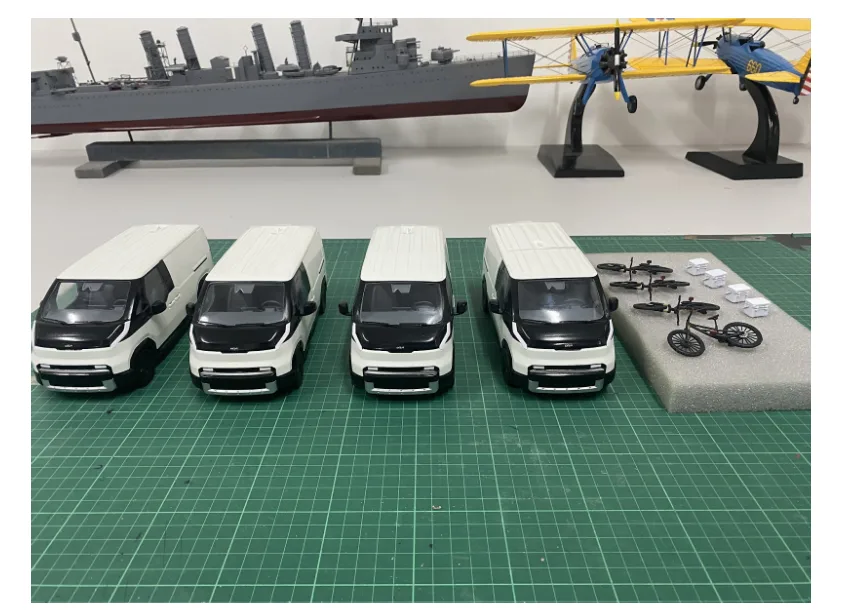
The machines we choose to miniaturise are not random. They are, almost without exception, the machines that meant something — the car a person learned to drive in, the aircraft they flew their hours in, the vehicle that defined a chapter of their life with a clarity that no other object from that period can match. Understanding why people build and collect models of cars and planes is understanding something fundamental about the relationship between human beings and the machines that carry them.
The Emotional Logic of the Scale Model
People miniaturise what they cannot possess — or cannot possess any longer. The Ferrari 250 GTO that will never be affordable. The Spitfire that will never be flown again. The first car a person owned, long since scrapped, that exists now only in the tactile memory of a gear change and the smell of a particular interior. The scale model resolves the impossibility of possession by offering something that full ownership cannot: permanence. A 1:18 replica of the car you drove at twenty-two will still be on your shelf at sixty-five, unchanged, holding the specific visual memory of that vehicle in a way that photographs — flat, frameable, forgettable — never quite manage.
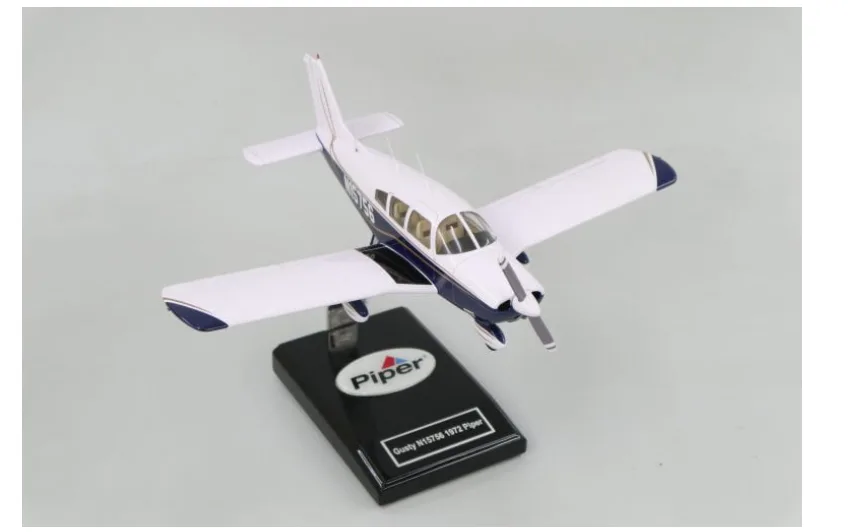
This logic is identical across automotive and aviation subjects. The pilot who trained on a Piper Challenger and went on to a career on commercial jets has not forgotten the aircraft where their relationship with flight became real. The airplane model that reproduces it — correct registration, correct colour scheme, correct radio antenna configuration — is not a decorative choice. It is a reference to the most significant transition of a professional life, made permanent and three-dimensional and impossible to misplace.
Why Building It Yourself Changes Everything
There is a category of collector who is not satisfied with owning a finished piece. The decision to make your own car model — to build from a kit, paint by hand, and finish to a personal standard — adds a dimension that no pre-built piece can replicate: the maker’s own labour is embedded in the object. A kit-built 1:24 model of the car you first drove, assembled over three evenings with your children watching, carries a different kind of memory than one purchased finished. It carries the memory of making it, layered over the memory of the vehicle itself. Two histories in one object.
The building process also imposes a level of attention to the subject that passive ownership does not. The modeller who spends forty hours assembling and finishing a 1:24 replica of a specific car knows that vehicle in a way that even its original owner may not — every panel line, every detail of the engine bay, every chrome trim piece examined and reproduced with a degree of care that daily ownership rarely demands. This is why serious kit builders consistently report that the process of building a model changes their relationship with the subject. You cannot build something that carefully without understanding it more completely.
The miniature is not a lesser version of the real thing. It is a more considered version — examined more carefully, preserved more deliberately, and kept longer than the original that inspired it.
What the Objects on Our Shelves Say About Our Culture
The choice of which vehicle to miniaturise is never culturally neutral. A model of car on a shelf communicates period, geography, aspiration, and identity simultaneously. A 1:18 Ford Mustang in Wimbledon White in an American sitting room speaks to a specific relationship with automotive culture, national identity, and generational memory that a Japanese collector’s display of a Nissan Skyline R34 in Bayside Blue speaks to with equal specificity from an entirely different cultural position. Neither is a generic decorative choice. Both are statements — about where the person came from, what they cared about when it mattered most, and what they want the room they live in to say about them.
Aviation subjects carry the same cultural weight with an additional dimension: the exclusivity of the activity itself. Not everyone drives a car that defined their sense of self. But every pilot who earned a licence on a specific aircraft type carries that aircraft as a permanent reference point — the machine where the abstract aspiration of flight became a physical, embodied, irreversible experience. The scale replica of that aircraft is not a souvenir. It is the closest available physical equivalent to the memory itself.
When the Car and the Plane Tell the Same Story
The collector who displays both automotive and aviation subjects on the same shelf is not mixing categories. They are displaying a consistent personality across two different expressions of the same passion — the belief that machines matter, that the specific vehicle you drove or flew at a specific moment in your life is worth preserving in permanent form, and that the objects surrounding you in the spaces you inhabit should reflect who you actually are rather than who you are supposed to appear to be.
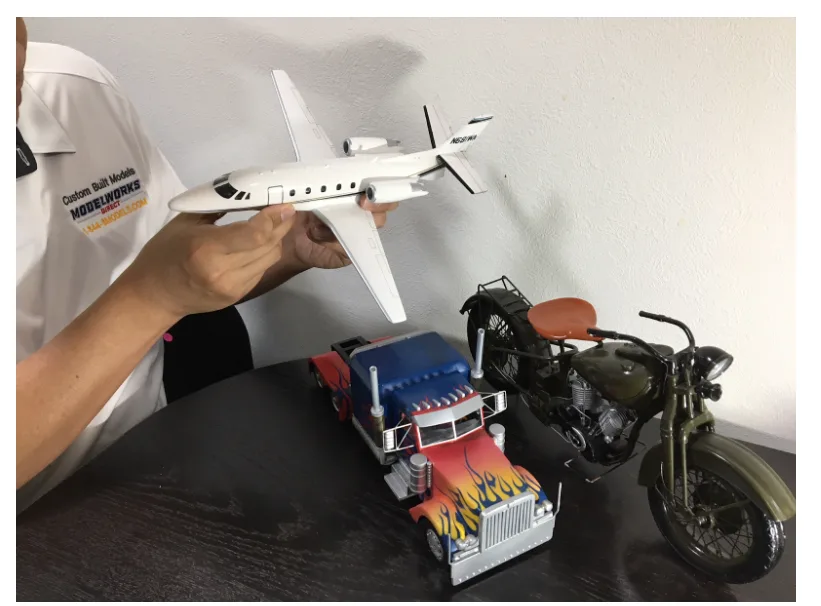
The pilot who displays a Piper Challenger replica alongside the 1:18 model of their first car is not making an interior design statement. They are displaying a biography — the two machines that bracket the period in which their identity as someone who moves through the world at speed was first established. The objects know each other. They belong together on the same shelf for the same reason that the memories they reference belong together in the same person.
Frequently Asked Questions
Why do people collect scale models of cars and planes?
Scale models allow people to possess, permanently and at manageable scale, the vehicles that shaped significant moments in their lives — vehicles they once owned, flew, or drove, as well as those they admired but never accessed. The three-dimensional form preserves visual and emotional memory more effectively than photography, and the specificity of a well-chosen subject communicates personal identity in a way that generic decorative objects cannot. The collecting impulse is biographical as much as it is aesthetic.
Is it better to build a model yourself or buy a pre-built one?
Both serve legitimate purposes depending on what the collector values. A pre-built commission or quality die-cast delivers the finished object with maximum accuracy and minimum time investment — appropriate when the subject’s personal significance is primary and the building process is secondary. Building from a kit adds the maker’s own labour to the object’s meaning, creating a second layer of personal history embedded in the piece itself. For collectors who want the deepest possible connection to the finished object, the building process is not a means to an end — it is part of the point.
Can I commission a model of a specific car or plane I have owned?
Yes. Specialist model makers accept commissions to reproduce specific vehicles — including a particular car’s registration, colour, and specification, or an aircraft’s tail number, livery, and avionics configuration. Reference photographs from multiple angles, paint codes, and any relevant documentation improve accuracy significantly. For milestone occasions — a retirement, a significant anniversary, a career change — a commissioned replica of the specific vehicle that defined a chapter of someone’s life is one of the most personally meaningful objects available in the entire gifting category.
The Miniature That Outlasts Everything
The car will eventually be sold, scrapped, or simply outgrown. The aircraft type will be retired from service. The specific registration will be reissued to another vehicle. The machines that define periods of our lives are, almost without exception, temporary — owned for years, remembered for decades, and physically absent for most of the time they remain emotionally present. The scale model is the resolution of that tension: a permanent, three-dimensional reference to a temporary experience that mattered.
The objects on our shelves are not decorations. They are decisions — about what we consider worth preserving, what we want the spaces we inhabit to say about us, and which of the machines that carried us through our lives deserves to stay. The miniature outlasts the original. It was always going to.