The Most Common Drainage Problems Found During Property Renovations
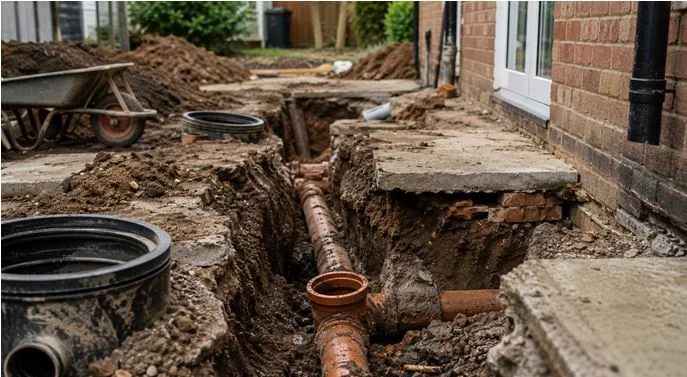
Property renovations often focus on the visible aspects of a building. Homeowners typically invest significant time and resources into new kitchens, bathrooms, extensions, landscaping projects and structural improvements. However, while attention is usually directed towards what can be seen above ground, the condition of the drainage system beneath the property is frequently overlooked. Many of the issues that eventually lead to blocked drains Horsham property owners experience can originate from hidden defects that remain unnoticed during renovation planning. In many cases, renovation work becomes the first opportunity to uncover drainage problems that may have existed for years without obvious symptoms.
Unlike other parts of a property, drainage systems often remain untouched for decades. Pipes, inspection chambers and underground connections can continue functioning despite developing cracks, minor blockages, root intrusion or structural deterioration. Because these issues are hidden from view, they may go unnoticed until excavation work begins, additional drainage connections are installed or increased water usage places greater demand on the system.
For this reason, drainage should be considered alongside both structural and cosmetic improvements during any renovation project. Identifying problems early can help prevent future disruption, reduce the risk of costly repairs and ensure that newly completed works are not affected by avoidable drainage failures. Companies such as DrainBoss, which specialise in drainage investigations, repairs and CCTV drain surveys, frequently encounter hidden defects that only become apparent when renovation work is already underway. What starts as a simple renovation can often reveal important information about the long-term condition of the property’s underground infrastructure.
Why Renovation Work Often Reveals Existing Drainage Problems
Many drainage defects remain hidden simply because most of the system is located underground. Unlike roofs, walls or windows, drain pipes are rarely visible during everyday use, making it difficult to identify developing issues before they begin causing noticeable disruption. Renovation projects often involve excavation, landscaping, extensions or foundation work, all of which expose sections of drainage infrastructure that may not have been inspected for many years. As a result, problems that previously went unnoticed can suddenly become apparent once work begins.
Increased water usage following a renovation can also reveal weaknesses within an existing drainage system. A property that gains a new bathroom, utility room or larger kitchen may place significantly greater demand on ageing pipework. Drains that previously coped with normal household usage can begin to struggle when subjected to higher volumes of wastewater, exposing underlying defects such as partial blockages, poor pipe gradients or structural deterioration.
Older properties are particularly likely to contain ageing drainage systems. Many homes still rely on pipework that was installed decades ago, sometimes using materials that have naturally deteriorated over time. Cracks, displaced joints, corrosion and minor collapses may develop gradually without creating immediate symptoms. During renovation work, however, these defects often become visible through excavation, testing or inspection activities that would not normally be carried out.
In some cases, the renovation itself does not create the drainage problem but simply exposes an issue that has existed for years. A recurring blockage, occasional bad odour or slow-draining fixture may have been dismissed as a minor inconvenience, when in reality it was an early warning sign of a more significant defect. Renovation projects provide a valuable opportunity to identify and address these hidden problems before they lead to more costly repairs in the future.
Cracked and Collapsed Drain Pipes
One of the most common drainage issues discovered during property renovations is the presence of cracked, fractured or partially collapsed drain pipes. In many cases, these defects have developed gradually over a period of years and remained hidden beneath the ground without causing obvious symptoms. Renovation projects often involve excavation, landscaping or foundation work that exposes sections of pipework for the first time in decades, making it possible to identify problems that would otherwise remain undetected.
Structural deterioration can occur for a variety of reasons. Drainage systems are constantly exposed to moisture, ground pressure, temperature fluctuations and everyday wear. Over time, even well-installed pipes can begin to weaken. Common causes of drain pipe damage include:
- Age-related deterioration of pipe materials
- Ground movement and natural soil settlement
- Subsidence affecting the surrounding area
- Heavy vehicle loads above underground pipework
- Poor installation practices from previous construction work
- Tree root pressure around joints and weak points
Older properties are particularly susceptible to drainage defects because many still contain ageing pipe materials that may no longer be performing as intended. Depending on the age of the property, underground drains may have been installed many decades ago using materials that are now approaching the end of their expected service life. Small cracks, displaced joints and weakened sections can gradually worsen over time, especially when combined with changing ground conditions.
Ground movement and subsidence can further accelerate deterioration. As soil expands, contracts or settles, pressure is placed on underground pipework. Even relatively minor movement can cause joints to separate or cracks to develop. In more severe cases, sections of pipe may partially collapse, restricting flow and creating recurring drainage problems throughout the property.
Delaying repairs can significantly increase the cost and complexity of the issue. What begins as a small crack may eventually allow soil, debris or roots to enter the drainage system, leading to blockages, reduced flow capacity and further structural damage. If left untreated, collapsed drains can contribute to localised flooding, unpleasant odours and, in some circumstances, damage to surrounding ground and nearby structures. Identifying and addressing these defects during a renovation project is often far more practical than dealing with a major drainage failure after work has already been completed.
Tree Root Intrusion
Tree root intrusion is one of the most common causes of drainage problems in both older and newer properties. While tree roots do not typically break into perfectly sound pipes, they are highly effective at exploiting existing weaknesses within a drainage system. Small cracks, displaced joints and deteriorated seals can allow moisture and nutrients to escape into the surrounding soil, attracting nearby roots in search of water. Once roots locate these openings, they can gradually penetrate the pipe and continue growing inside it.
What makes root intrusion particularly problematic is that even very small defects can become entry points. A hairline crack or slightly misaligned joint may seem insignificant initially, but as roots expand, they place increasing pressure on the surrounding pipework. Over time, this growth can restrict flow, trap debris and further enlarge the original defect. Eventually, what began as a minor imperfection can develop into a serious blockage or structural failure.
Property owners often overlook the early signs of root-related drainage issues because symptoms tend to develop gradually. In many cases, the drainage system continues to function for some time before problems become obvious.
| Early Warning Sign | What It May Indicate |
| Recurring blockages in the same location | Roots trapping waste and debris inside the pipe |
| Slow-draining sinks, toilets or showers | Partial obstruction caused by root growth |
| Gurgling sounds from drains | Restricted airflow due to narrowing pipework |
| Unpleasant odours near drains | Wastewater being retained within the system |
| Damp patches or unusually healthy vegetation | Escaping moisture from damaged pipes |
| Problems worsening during wet weather | Existing defects becoming more apparent under increased flow |
The long-term impact of root intrusion can be significant if left unaddressed. As roots continue to grow, they may cause joints to separate, cracks to widen and sections of pipe to deform or collapse. The resulting damage can lead to repeated blockages, reduced drainage capacity and increasingly expensive repairs. Renovation projects often provide an ideal opportunity to identify root intrusion early, particularly when excavation work or drainage inspections are already being carried out. Detecting the problem before major structural damage occurs can help avoid far more disruptive repairs in the future.
Hidden Blockages Caused by Construction Debris
Not all drainage problems discovered during renovations are the result of ageing infrastructure or long-term deterioration. In many cases, blockages are created during the renovation process itself. Construction materials such as sand, cement, plaster, grout, paint residue and small pieces of rubble can accidentally enter drainage systems if appropriate precautions are not taken. Once inside the pipework, these materials can accumulate and gradually restrict the flow of wastewater.
Unlike typical household blockages caused by grease, hair or everyday waste, construction debris often settles within the drainage system and hardens over time. Cement and plaster are particularly problematic because they can solidify inside pipes, creating obstructions that are far more difficult to remove than conventional blockages. Even relatively small amounts of material can become trapped at bends, joints or areas where the pipe gradient is less than ideal.
One reason these issues are frequently overlooked is that symptoms do not always appear immediately after the renovation has been completed. The drainage system may continue functioning normally for weeks or even months before enough debris accumulates to affect performance. As wastewater flows through the pipework, additional particles can become trapped around the original obstruction, gradually creating a more significant blockage.
Certain areas of a property are particularly vulnerable during renovation projects. These include:
- New kitchen and bathroom installations
- Extension projects involving additional drainage connections
- Patio and driveway construction near inspection chambers
- Landscaping work carried out close to gullies and drainage channels
- Internal refurbishment projects involving plastering, tiling or flooring works
Many of these blockages are entirely preventable when proper site management procedures are followed. Contractors should ensure that drainage openings are protected during construction, building materials are disposed of correctly and washout water from tools or equipment is never discharged into the drainage system. It is also good practice to inspect and, where appropriate, test drainage systems before work is signed off.
Although construction debris blockages may seem like a minor issue compared to structural drainage defects, they can still lead to recurring drainage problems, costly investigations and unnecessary disruption. Identifying and preventing contamination during renovation work is often far easier than dealing with the consequences once the property is back in regular use.
Poorly Installed New Drainage Connections
Renovation projects often involve modifying existing drainage systems to accommodate new kitchens, bathrooms, utility rooms or extensions. While these alterations may appear straightforward, the quality of the installation can have a significant impact on the long-term performance of the entire drainage network. Even when the existing pipework is in good condition, poorly installed new connections can create persistent drainage problems that may not become apparent until months or years after the project has been completed.
One of the most common issues involves incorrect pipe gradients. Drainage systems rely on gravity to transport wastewater efficiently, and pipes must be installed at an appropriate fall to maintain consistent flow. If the gradient is too shallow, waste and debris can accumulate inside the pipe. Conversely, if the gradient is excessively steep, liquids may flow away too quickly while solids are left behind, increasing the likelihood of blockages developing over time.
Another frequent problem is inadequate pipe sizing. Renovations often increase the volume of wastewater being discharged into the drainage system, particularly when additional bathrooms or larger kitchens are added. If the new pipework is undersized for the expected demand, the system may struggle to cope during periods of heavy use. This can result in slower drainage, recurring blockages and increased pressure on the existing infrastructure.
Drainage issues may also arise when new connections are integrated poorly with older sections of the system. Misaligned joints, poorly sealed connections and inappropriate fittings can disrupt flow patterns and create locations where waste material accumulates. Because these defects are often hidden underground, they can remain undetected until performance problems begin to emerge.
The long-term consequences of poorly installed drainage connections can be significant. What initially appears to be a functioning system may gradually develop recurring faults that become increasingly expensive to diagnose and repair. Common consequences include:
- Repeated blockages in the same area
- Slow-draining sinks, showers and toilets
- Increased maintenance and repair costs
- Premature wear on sections of the drainage system
- Greater risk of leaks and pipe damage
- Reduced overall efficiency of wastewater flow
For this reason, drainage alterations should be planned with the same level of care as any other aspect of a renovation project. Ensuring that new connections are correctly designed, properly sized and installed with appropriate gradients can help prevent a wide range of avoidable drainage problems in the future.
Drainage Problems Around New Extensions
Property extensions can significantly improve living space and add value to a home, but they also place additional demands on existing drainage systems. New kitchens, bathrooms, utility rooms and en-suite facilities all generate extra wastewater that must be accommodated by infrastructure that may have been designed decades earlier. While the extension itself may be constructed to modern standards, the drainage network serving the property is not always capable of handling the increased load without modification.
This is particularly common in older properties, where the original drainage system was designed for a very different pattern of usage. Pipework that has functioned adequately for many years may begin to experience problems once additional fixtures are connected. Increased volumes of wastewater can expose existing weaknesses such as partial blockages, deteriorating pipework, insufficient pipe capacity or poor drainage gradients that previously went unnoticed.
The point where new and existing drainage systems meet is often one of the most vulnerable areas. Even when both sections of pipework are individually sound, integration problems can occur if connections are not properly designed or installed. Common issues include mismatched pipe sizes, poorly aligned joints, inadequate falls and connection points that disrupt the natural flow of wastewater. These defects can create areas where debris accumulates, increasing the likelihood of recurring blockages and maintenance problems.
Another challenge is that many drainage issues associated with extensions do not appear immediately. The system may initially seem to function normally, only for problems to emerge months later as waste gradually accumulates at poorly designed connection points. This delayed onset can make it difficult to identify the true cause of the issue, particularly once construction work has long been completed.
For this reason, careful planning should always take place before new waste pipes are connected to an existing drainage system. Assessing the condition, capacity and layout of the current infrastructure can help determine whether upgrades or alterations are required. Considering drainage requirements at the design stage is often far more cost-effective than correcting performance problems after an extension has already been built and occupied.
Surface Water Drainage Issues After Landscaping Work
Landscaping projects can dramatically improve the appearance and functionality of a property, but they can also unintentionally create drainage problems if water management is not properly considered. New patios, driveways, garden features and paved areas often alter the way rainwater moves across the site. While these changes may appear minor on the surface, they can have a significant impact on the property’s overall drainage performance.
One of the most common issues arises when landscaping work changes natural water flow patterns. Before development, rainwater typically follows established routes across the ground and into appropriate drainage systems. The installation of impermeable surfaces such as paving, concrete or decorative hardscaping can redirect water towards areas that were not designed to handle increased volumes of runoff. As a result, water may begin collecting in locations where it previously caused no concern.
Common landscaping-related drainage problems include:
- Standing water on patios and paved surfaces
- Localised flooding near property entrances
- Overflowing gullies during periods of heavy rainfall
- Water pooling against walls and foundations
- Saturated garden areas that remain wet for extended periods
- Increased pressure on existing surface water drainage systems
In some cases, landscaping projects inadvertently obstruct existing drainage routes. Gullies, drainage channels and inspection chambers may become partially covered or difficult to access following garden redesigns. Changes in ground levels can also affect how efficiently water flows towards drainage points, increasing the likelihood of ponding and surface flooding during wet weather.
The consequences of poor surface water management extend beyond temporary inconvenience. Persistent standing water can contribute to soil erosion, damage paving materials, affect planting areas and increase moisture levels around the property. Over time, repeated water accumulation may place additional stress on nearby structures and drainage infrastructure.
For these reasons, maintaining effective drainage routes should be a key consideration during any landscaping project. Ensuring that rainwater can continue to flow safely away from the property helps reduce the risk of flooding, protects newly completed works and supports the long-term performance of the wider drainage system. Proper planning at the design stage can often prevent problems that would otherwise become apparent only after the first period of heavy rainfall.
Covered or Inaccessible Inspection Chambers
Inspection chambers play an important role in the maintenance and management of drainage systems. They provide access to underground pipework for inspections, cleaning, repairs and investigations when problems occur. However, during renovation and landscaping projects, these access points are sometimes overlooked and unintentionally covered over, making future drainage work far more difficult than it needs to be.
This commonly occurs during projects involving new patios, driveways, decking, garden redesigns or property extensions. In an effort to improve the appearance of outdoor spaces, inspection chambers may become buried beneath paving materials, covered with permanent structures or hidden beneath newly raised ground levels. In some cases, property owners may not even realise that access points have been concealed until a drainage problem develops years later.
The loss of access can create a range of practical challenges. When blockages, drainage defects or maintenance requirements arise, engineers often rely on inspection chambers to assess the condition of the system and identify the source of the problem. Without suitable access, even relatively straightforward investigations can become more time-consuming and costly. In some situations, sections of newly completed landscaping or paving may need to be removed simply to reach the drainage infrastructure below.
The risks associated with inaccessible inspection chambers include:
- More difficult and expensive maintenance work
- Delays when diagnosing drainage problems
- Reduced ability to carry out inspections and surveys
- Increased disruption during repairs
- Limited access for clearing blockages
- Greater costs if excavation becomes necessary
For these reasons, access to inspection chambers should always be preserved during renovation projects. Modern recessed covers can often be incorporated into patios, driveways and landscaped areas while remaining fully accessible when required. Careful planning allows homeowners to achieve the desired appearance without compromising future access to critical drainage infrastructure.
Although inspection chambers are rarely considered a prominent feature of a property, they serve an essential function. Ensuring they remain accessible can significantly simplify future maintenance and help prevent avoidable costs when drainage issues eventually require attention.
Drain Misconnections from Previous Alterations
Drain misconnections are another issue that is frequently discovered during renovation projects, particularly in properties that have undergone multiple alterations over the years. Extensions, kitchen refits, bathroom upgrades and landscaping works can all involve modifications to existing drainage systems. If these changes are not carried out correctly, wastewater and rainwater may end up flowing into the wrong drainage network, creating problems that often remain unnoticed for long periods.
One common example involves foul water being discharged into a surface water drainage system. Surface water drains are designed to carry rainwater from roofs, driveways and paved areas, typically directing it towards watercourses, soakaways or dedicated drainage infrastructure. When wastewater from kitchens, bathrooms or utility rooms is incorrectly connected to these systems, contamination can occur and drainage performance may be compromised.
The reverse situation can also create difficulties. Rainwater entering foul drainage systems may not seem problematic at first, but large volumes of stormwater can place unnecessary strain on infrastructure that was designed primarily for wastewater. During periods of heavy rainfall, this additional load can contribute to reduced system efficiency and increase the likelihood of drainage-related issues.
Misconnections can result in a range of operational and environmental consequences, including:
- Increased pressure on drainage infrastructure
- Higher risk of localised flooding during heavy rainfall
- Reduced efficiency of wastewater systems
- Persistent drainage performance issues
- Potential pollution of nearby watercourses
- More complex and costly maintenance requirements
One reason these problems often remain hidden for years is that the drainage system may continue to function reasonably well under normal conditions. Homeowners are unlikely to notice a misconnection unless it causes visible symptoms or is identified during a drainage inspection. In some cases, the issue only becomes apparent when renovation work exposes underground pipework, when drainage surveys are carried out, or when unusual problems begin occurring during periods of heavy rain.
Because misconnections are often concealed beneath floors, gardens and external surfaces, they can be difficult to identify without a thorough investigation. Renovation projects provide a valuable opportunity to assess existing drainage layouts and ensure that both foul water and surface water are being directed to the correct systems. Detecting and correcting these issues early can help improve drainage performance while reducing the risk of future operational and environmental problems.
The Importance of Investigating Drainage Before Renovation Work Begins
Drainage is often one of the last considerations during a renovation project, yet it can have a major influence on the long-term success of the work being carried out. Because most drainage infrastructure is hidden underground, many property owners assume that if there are no obvious signs of a problem, the system is functioning correctly. However, renovation projects frequently reveal defects that have existed unnoticed for years. Identifying these issues before construction begins can help prevent significant disruption later in the project.
Early investigation allows drainage defects to be addressed while access to underground infrastructure is still relatively straightforward. Cracked pipes, root intrusion, partial collapses, misconnections and hidden blockages are often much easier to repair before new patios, driveways, extensions or landscaped areas have been completed. Once these surfaces are installed, even minor drainage repairs can become considerably more disruptive and expensive.
Another important benefit is the ability to avoid unexpected delays during construction. Discovering a drainage problem midway through a renovation can affect project schedules, increase costs and require design changes that were not originally anticipated. Addressing potential issues in advance helps reduce uncertainty and allows contractors and property owners to plan more effectively.
Preventative drainage assessments can also reduce the likelihood of unexpected repair costs after the renovation has been completed. While an existing drainage defect may not be causing noticeable symptoms today, increased water usage or alterations to the property’s layout may place additional strain on the system. Problems that remain hidden during construction often become far more expensive to resolve once new surfaces, finishes and landscaping features are in place.
In many cases, a proactive approach proves to be more economical than a reactive one. The costs associated with identifying and addressing drainage defects early are often significantly lower than the expenses involved in repairing damage after a failure has occurred. This is particularly true when remedial work requires excavation through newly installed paving, driveways, garden features or completed extensions.
Ultimately, investigating the condition of a property’s drainage system before renovation work begins helps minimise risk, improve project planning and protect the investment being made in the property. By understanding the condition of the drainage infrastructure from the outset, homeowners can make more informed decisions and reduce the likelihood of encountering costly surprises later in the renovation process.
Warning Signs That Suggest a Hidden Drainage Problem
Many drainage defects develop gradually and remain hidden for long periods before they become serious enough to attract attention. One of the challenges for property owners is that the early warning signs are often subtle and easy to dismiss as minor inconveniences. However, recurring drainage issues rarely resolve themselves and may indicate an underlying defect within the system. Recognising these symptoms during the planning stages of a renovation project can help prevent more significant problems from emerging later.
Recurring blockages are one of the most common indicators that a deeper issue may be present. While occasional blockages can occur in any property, repeated problems affecting the same area often suggest an underlying restriction, structural defect or drainage design issue. Similarly, sinks, showers and toilets that drain slowly on a regular basis may indicate that wastewater is not flowing through the system as efficiently as it should.
Property owners should also pay attention to unusual sounds and odours. Gurgling noises from drains can occur when airflow within the system is disrupted, often as a result of partial blockages or restrictions. Unpleasant smells around internal fixtures or external drainage areas may indicate trapped wastewater, damaged pipework or ventilation issues that require further investigation.
Outside the property, visual warning signs can sometimes provide valuable clues about the condition of underground drainage infrastructure. Symptoms that should not be ignored include:
- Recurring blockages in sinks, toilets or external drains
- Slow-draining fixtures throughout the property
- Persistent unpleasant odours near drains or gullies
- Gurgling sounds coming from pipework or drainage fixtures
- Damp or unusually soft patches of ground outdoors
- Areas of standing water that remain after rainfall
- Localised flooding during periods of heavy rain
While any one of these signs may have a relatively simple explanation, persistent or recurring symptoms often point to a larger problem within the drainage system. Renovation projects provide an excellent opportunity to investigate these warning signs before construction begins. Identifying the underlying cause early can help avoid unexpected complications and reduce the risk of costly repairs once renovation work has already been completed.
Conclusion
Property renovations often focus on visible improvements, but they also provide a valuable opportunity to address drainage defects that might otherwise remain hidden for many years. Problems such as cracked pipes, root intrusion, hidden blockages, misconnections and ageing infrastructure are frequently discovered only when renovation work exposes parts of the drainage system. Identifying and resolving these issues early can help prevent larger and more expensive problems from developing in the future, while also protecting the investment being made in the property. Even issues that initially appear minor can eventually contribute to recurring drainage failures, costly repairs and, in some cases, structural damage.
For this reason, drainage should be viewed as an important part of any renovation strategy rather than an afterthought. Taking a proactive approach can help homeowners avoid disruption after new surfaces have been installed and reduce the likelihood of unexpected repair costs later on. Many drainage specialists, including DrainBoss, regularly encounter hidden defects during surveys, inspections and investigations of recurring drainage problems. Their experience highlights how issues that remain unnoticed for years can eventually lead to blocked drains Portsmouth property owners and renovators may face if underlying defects are left unresolved. Considering drainage alongside structural and cosmetic improvements can help ensure that renovation projects deliver long-term value as well as immediate visual benefits.