The movie comes first”: interview with Samantha Casella, director and actress of The Serpent’s Caress
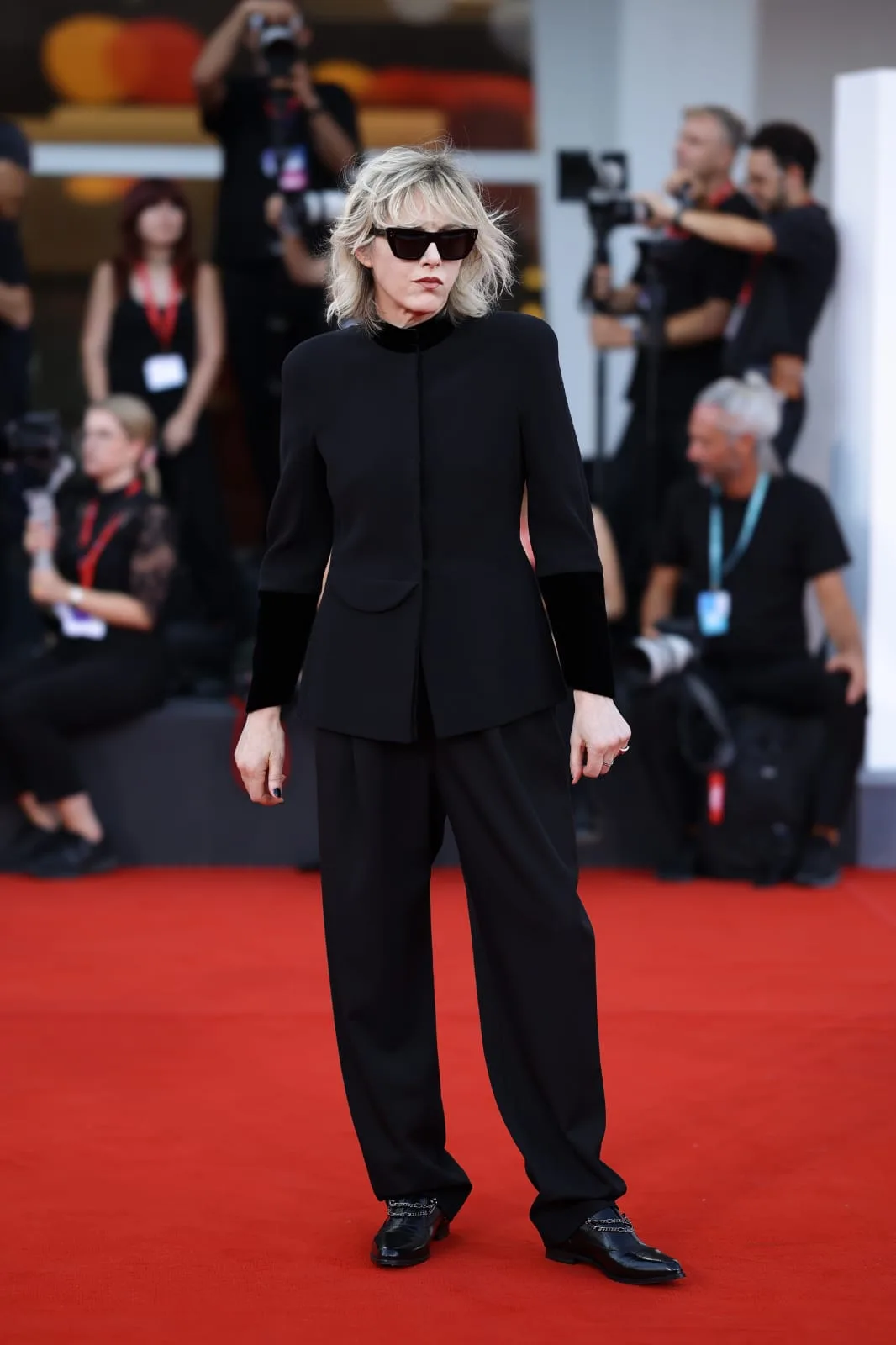
Starting September 9, The Tenderness of the Snake is being distributed globally via a QR code promoted by The Hollywood Reporter. How did this direct, barrier-free distribution strategy come together?
The decision to use a QR code with The Hollywood Reporter came from a simple reality: making movies today means rewriting the rules of the game. Since the film was screening out of competition, I felt completely free from the pressures of traditional contest logic. I wanted to create a pure, open, wide-reaching cultural project. The core idea is simple: if you have a smartphone in your hand during the festival, the movie is already yours—no tickets to buy, no trains to catch. I will always love the unique magic of the theater, but technology now gives us an incredible opportunity: letting art travel without passports or barriers.
How significantly did attaching established talent like Bruno Bilotta, Francesca Rettondini, and Laura Trotter impact the project’s positioning and commercial viability in international markets?
For me, casting always begins with the face. Before any market logic, Trotter, Rettondini, and Bilotta were simply the perfect faces for the film’s atmosphere and their respective roles. Of course, their backgrounds help: Bruno Bilotta has held high-impact roles in Hollywood films like The Equalizer alongside Denzel Washington, as well as powerful, authoritative projects with Mel Gibson. Laura Trotter is an iconic face of Italian cinema who had been away from the screen for nearly thirty years, and Francesca Rettondini has been a household name in both film and television for decades. All of this helps, obviously, but commercial logic is never the starting point. True international viability comes from authenticity: when actors are seamlessly fused with the film’s visual and mystical world, global markets immediately feel it and respond
The film demonstrates how a complex, auteur-driven vision can align with practical production management. What do you consider the ideal business model for contemporary independent cinema?
The ideal business model rests on three pillars. First is the festival circuit, both major and regional; engaging with diverse contexts and audiences is absolutely vital. At the same time, we need a targeted theatrical release—following the film to venues where the conditions exist for a dignified viewing experience that respects the work. Finally, digital platforms serve as the film’s long-term lifeline. In this regard, I am immensely proud to be a part of The Wild Filmmaker, an organization that isn’t just the future of independent cinema, but is already a powerful, living reality. It is platforms like these that ensure free, honest cinema doesn’t die, allowing art to travel beyond traditional constraints and continuously find its audience over time
How do you balance budget and schedule efficiency with the artistic demand of personally handling both directing and cinematography?
I think we need to clear something up: making independent cinema shouldn’t automatically mean making movies with no money. It simply demands an analytical eye toward unnecessary expenses, but the starting point is always making the choices that are right for the project. The reason I handle multiple roles is to accommodate my obsessive need for control. And yes, of course, Samantha Casella is part of the film’s budget too! There is a turbulent chaos inside me, balanced between this need for control and the absolute duty to do what is right for the film. I always say: the movie comes first, even before myself. So while I do maintain tight control, I am constantly engaging with my crew and always open to their suggestions. It’s hard to explain, but even with that control, a film ultimately takes on a life of its own.
What advice would you give independent producers and filmmakers who want to leverage emerging digital media platforms to reach global audiences directly?
To be honest, I don’t consider myself an expert in global marketing strategies. I think I’ve figured out what potentially works for my own Films, but my trajectory has been highly atypical, even compared to many other independent filmmakers—partly due to the nature of my films, and partly due to the unique opportunities that came my way early on. What I can say is this: the starting point must always be networking. Every director and small-scale producer needs to be realistic; they must accept that their film will inevitably have flaws or elements that are less accessible than a conventional movie. But it will also have unique strengths. The key is to recognize those strengths and build a tailored strategy around them. Whatever that strategy may be.
Disclaimer: This article is for informational and entertainment purposes only. The views and statements expressed in the interview belong to Samantha Casella and do not necessarily reflect the views of the publisher. Details about The Serpent’s Caress are presented for general discussion and should not be considered official production or promotional information.