The Needle-Based Nose Transformation Everyone Is Talking About
Patients are increasingly choosing non-surgical rhinoplasty for nasal enhancement. Specialized dermatologists perform these procedures using injectable fillers to reshape nasal contours. Detailed knowledge of filler options, treatment protocols, and potential complications supports better decision-making. The following sections cover candidate criteria, procedure steps, risks, expected outcomes, costs, and practitioner selection.
Understanding Non-Surgical Rhinoplasty Procedures
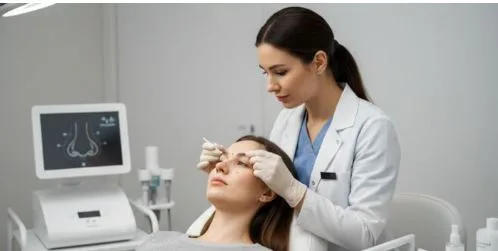
Non-surgical rhinoplasty reshapes noses using injectable dermal fillers instead of scalpels. Qualified dermatologists and plastic surgeons conduct these procedures in sterile clinical environments. Filler injections camouflage bumps and lift drooping tips by adding volume to targeted areas, not by cutting or reshaping existing cartilage.
Established aesthetic clinics like VisageSculpture perform these procedures under strict safety protocols with comprehensive pre-treatment assessments. Patients remain awake throughout treatment under topical anesthesia. Results depend entirely on practitioner skill and appropriate patient selection.
Comparing Injectable Filler Options for Nose Reshaping
Hyaluronic acid fillers dominate non-surgical rhinoplasty due to reversibility and biocompatibility. Restylane Lyft and Juvederm Voluma contain cross-linked HA molecules lasting 9-15 months. Calcium hydroxylapatite (Radiesse) provides denser support lasting 12-24 months but lacks dissolution options.
Poly-L-lactic acid (Sculptra) stimulates collagen over months rather than providing immediate volume. Practitioners select fillers based on skin thickness, desired longevity, and correction type. Thicker-skinned patients tolerate firmer fillers better. Thin skin requires softer HA products to prevent visible lumps.
Step-by-Step Treatment Process and Recovery Protocol
Initial consultations involve facial analysis, medical history review, and baseline photography. Practitioners assess nasal anatomy, skin quality, and vascular patterns to plan injection points. On treatment day, a topical anesthetic (lidocaine 4-7%) numbs the area for 15-20 minutes. Some providers prefer infraorbital nerve blocks for enhanced comfort. Cannula technique reduces vascular injury risk compared to sharp needles.
Practitioners deposit 0.1-0.3mL amounts at calculated points just above cartilage or bone. Immediate molding shapes the filler before integration occurs. Total procedure time averages 20-40 minutes. Post-treatment protocols prohibit facial pressure, strenuous exercise, and alcohol consumption for 24-48 hours. Patients sleep supine for three nights to minimize displacement.
Identifying Suitable Candidates for Non-Surgical Nose Jobs
Optimal candidates desire refinement, not dramatic size reduction. Specific indications include dorsal humps under 3mm, mild tip drooping, and post-surgical irregularities. Patients must possess realistic expectations and adequate skin thickness over 1.5mm. Contraindications include active infections, bleeding disorders, and unrealistic expectations.
Functional issues like septal deviation remain unaddressed by filler techniques. Severe asymmetries or thick sebaceous skin often yield suboptimal outcomes. Previous surgical patients require scar tissue assessment before filler placement. Blood vessel mapping via ultrasound helps identify high-risk anatomy.
Clinical Benefits of Needle-Based Nose Enhancement
Absence of general anesthesia eliminates related cardiovascular and respiratory risks. Patients observe immediate improvements before leaving the clinic. Return to work occurs within 24 hours for most individuals. Hyaluronic acid fillers reverse within 24-48 hours using hyaluronidase injections if needed.
Financial investment ranges from 60-80% lower than that of surgical rhinoplasty initially. Gradual enhancement across multiple sessions allows conservative adjustments. The temporary nature provides psychological comfort for hesitant patients. Some individuals use this procedure as a ‘test drive’ before committing to permanent surgery.
Potential Complications and Safety Considerations
Vascular occlusion represents the most feared complication, occurring in approximately 1:1000 cases. Injecting filler into arteries blocks blood flow, causing tissue necrosis within hours. Retrograde embolization through the angular and dorsal nasal arteries threatens vision. Immediate recognition of blanching or severe pain requires prompt hyaluronidase injection.
Skin necrosis develops in 0.01-0.1% of procedures, requiring wound care and possible scarring. Intra-arterial injection causes permanent blindness in 0.001% of cases. Temporary bruising affects 20-30% of patients, resolving within 7-10 days. Infection rates remain below 1% with proper sterile technique. Granuloma formation occurs in 0.01-0.5% of cases, sometimes months after treatment.
Realistic Outcomes and Longevity Expectations
Visible enhancement appears immediately, though swelling peaks at 48-72 hours. True final shape emerges after 7-14 days. Hyaluronic acid fillers maintain volume for 9-18 months, depending on product cross-linking density. Calcium hydroxylapatite persists 12-24 months before gradual resorption.
Metabolic rate, exercise frequency, and smoking accelerate breakdown. Maintenance sessions every 9-12 months preserve results without full correction loss. Overfilling by 10-15% compensates for expected settling. Photography at 2 weeks and 3 months documents outcomes objectively. Patients should expect 70-80% improvement, not perfection.
Cost Analysis: Surgical Versus Non-Surgical Rhinoplasty
Non-surgical rhinoplasty costs $600-$2,500 per session, depending on filler type and geographic location. Surgical rhinoplasty averages $6,000-$15,000, including facility fees. Maintenance sessions every 12-18 months accumulate costs over time. Five-year expenditure for fillers may reach $3,000-$12,500.
Surgical rhinoplasty provides permanent results after one recovery period. Some patients combine both: fillers initially, then surgery later. Others prefer the ongoing flexibility of temporary enhancement. Insurance covers neither procedure when performed for cosmetic reasons.
Choosing a Qualified Medical Professional
Dermatologists or plastic surgeons with specialized training possess the required anatomical knowledge. Physicians should complete dedicated filler injection courses exceeding 40 hours. Reviewing 50+ before/after cases demonstrates adequate experience. Practitioners must stock emergency hyaluronidase (1500 units) and have vascular complication protocols. Using FDA-approved fillers from verified distributors ensures product authenticity.
Avoid providers offering discounts or guaranteeing specific outcomes. Medical board verification confirms valid licenses and the absence of disciplinary actions. Consultations should last a minimum of 30 minutes with a thorough facial analysis.
Making Your Final Treatment Decision
Education remains paramount before undergoing non-surgical rhinoplasty. Trusted medical resources such as Healthline’s comprehensive guide provide detailed information on procedure expectations, recovery, and potential risks. Patients must weigh temporary benefits against recurring costs and rare but serious risks. Consulting three separate providers offers a perspective on recommended approaches. Never accept pressure to schedule immediate treatment.
Reputable practitioners prioritize patient safety over revenue. Request detailed consent forms outlining all potential complications. Understanding one’s own anatomy and limitations ensures realistic expectations. Final decisions should incorporate comfort level with the practitioner, not just cost considerations.