The Next Generation of Networking: What Makes a Digital Business Card a Must-Have Tech Tool
In a world where nearly everything has gone digital, networking is evolving faster than ever. Traditional paper business cards still exist, but they no longer match the speed, convenience, and expectations of modern professional interactions. Whether you are an entrepreneur, freelancer, corporate executive, or content creator, first impressions now happen both in person and online. This shift has made digital networking tools more important than ever.
Among these innovations, the digital business card has emerged as one of the most practical and forward-thinking tools for professionals. It combines convenience, customization, and instant connectivity in a way that paper cards simply cannot compete with. As technology continues to shape how people communicate and build relationships, digital business cards are quickly becoming essential for modern networking.
The Evolution of Professional Networking
Networking used to revolve around face-to-face meetings, conferences, trade shows, and office visits. Handing someone a printed card was the standard way to exchange contact information. While that method worked for decades, it also came with limitations.
Paper cards can easily get lost, damaged, or forgotten. Many people collect stacks of cards during events and never follow up because manually saving contact details is time-consuming. On top of that, printed cards become outdated whenever someone changes a phone number, email address, job title, or company branding.
Today’s business environment is more digital and fast-paced. People connect through LinkedIn, video meetings, social platforms, and mobile apps. Networking no longer depends entirely on physical meetings. Because of this shift, professionals need smarter ways to share their information instantly and keep it updated at all times.
That is exactly where digital business cards fit into the modern professional landscape.
What Is a Digital Business Card?
A digital business card is an electronic version of a traditional business card that can be shared through smartphones, QR codes, NFC technology, email, text messages, or social media. Instead of simply displaying a name and phone number, it can include a wide range of interactive features such as:
- Website links
- Social media profiles
- Portfolio galleries
- Appointment booking links
- Videos
- Maps and locations
- Payment information
- Product catalogs
Unlike paper cards, digital versions are dynamic and editable. Users can update their information anytime without needing to print new cards. This flexibility makes them highly valuable for businesses and professionals who want to maintain a polished and modern image.
Why Professionals Are Moving Away From Paper Cards
One of the biggest reasons professionals are transitioning to digital networking tools is efficiency. Modern networking is all about speed and accessibility. People want information immediately, and they want it in a format they can store and use right away.
With a paper card, the recipient often has to manually type information into their phone. With a digital card, they can save contact details instantly with a single tap or scan.
Another major factor is sustainability. Businesses are becoming more environmentally conscious, and reducing paper waste is an important goal for many organizations. Printing thousands of cards every year can become expensive and wasteful, especially when employee information changes frequently.
A digital business card eliminates reprinting costs while supporting eco-friendly business practices. It also projects a modern and tech-savvy image, which can positively influence potential clients and partners.
Instant Sharing Creates Better Opportunities
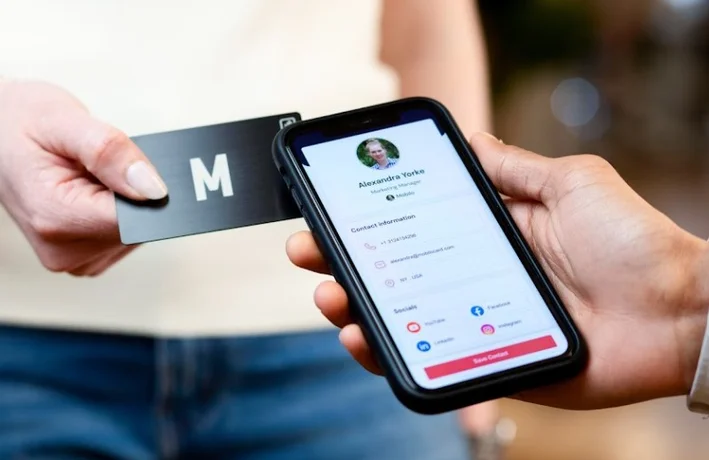
One of the most powerful advantages of digital networking tools is how easily they can be shared. During a conference or meeting, professionals no longer need to search through their wallets for a paper card. Instead, they can simply display a QR code on their phone or tap an NFC-enabled card against another device.
This instant sharing experience makes networking smoother and more memorable. It also removes barriers that can interrupt conversations.
For example, imagine attending a busy business event with hundreds of attendees. Instead of carrying stacks of printed cards, you can instantly connect with dozens of people through your phone. The process feels more seamless, professional, and modern.
This convenience increases the chances of people actually saving and using your contact information later.
Customization Makes Stronger First Impressions
First impressions matter in business, and branding plays a major role in how people perceive professionals and companies. Traditional paper cards offer limited space for creativity, but digital cards provide almost unlimited customization possibilities.
Users can personalize colors, logos, profile photos, typography, videos, and layouts to reflect their personal or corporate brand. This level of customization helps professionals stand out in crowded industries.
Creative professionals such as designers, photographers, marketers, and consultants especially benefit from showcasing their work directly through interactive features. Instead of explaining what they do, they can instantly show examples, portfolios, or testimonials within their digital profile.
That interactive experience leaves a much stronger impression than a static paper card ever could.
Better Data and Analytics for Businesses
Another reason companies are embracing digital networking solutions is access to valuable data and analytics. Traditional business cards provide no way to measure engagement. Once you hand someone a paper card, you have no idea whether they kept it, viewed it, or contacted you later.
Digital solutions change that entirely.
Businesses can track:
- How many people viewed the card
- Which links were clicked
- How often information was shared
- User engagement patterns
- Lead generation activity
These insights allow businesses to better understand customer behavior and improve networking strategies. Sales teams can also follow up with leads more effectively because they have clearer visibility into interactions.
For companies focused on growth and customer engagement, these analytics provide a major competitive advantage.
Perfect for Hybrid and Remote Work
The workplace has changed dramatically in recent years. Remote work, virtual meetings, and hybrid business models have become standard for many industries. As a result, networking tools also needed to evolve.
Paper cards do not work well in virtual environments. A digital business card, however, can be shared instantly during video calls, webinars, emails, or online presentations.
This makes it much easier for professionals to maintain connections regardless of location. Whether someone is attending a virtual conference from home or participating in an international Zoom meeting, they can still network effectively in real time.
In many ways, digital business cards have become an essential bridge between in-person and online networking.
Enhanced Professional Credibility
Technology often shapes perception. Professionals who use modern tools are frequently seen as more innovative, adaptable, and forward-thinking.
Using a digital business card can subtly communicate that someone is comfortable with technology and invested in efficient communication. For startups, tech companies, consultants, and entrepreneurs, this perception can help strengthen credibility.
Clients and partners often appreciate businesses that simplify interactions and reduce unnecessary friction. A smooth networking experience can influence how people view a company’s professionalism.
Small details matter in business relationships, and modern networking tools help create positive experiences from the very first interaction.
Cost Savings Over Time
While traditional business cards may seem inexpensive initially, the long-term costs add up quickly. Design updates, reprints, shipping, and premium materials can become expensive, especially for growing businesses.
Companies with large teams often need to reorder cards frequently due to role changes, rebranding, or updated contact information. These recurring costs can be avoided with digital solutions.
A digital business card allows users to make unlimited updates without additional printing expenses. This not only saves money but also reduces operational delays.
For startups and small businesses working with tight budgets, digital networking tools provide a cost-effective alternative that still delivers a highly professional image.
Security and Contact Accuracy
Outdated information is one of the biggest weaknesses of printed business cards. A changed phone number or expired email address can result in missed opportunities and lost leads.
Digital cards solve this issue because users can update their details instantly. Once updated, recipients automatically see the latest information without needing a replacement card.
Some platforms also offer advanced privacy controls, allowing users to choose what information they share and when. This flexibility gives professionals greater control over their personal and business data.
In industries where accurate communication is critical, this feature can make a significant difference.
The Role of NFC and QR Technology
The rise of QR codes and NFC technology has accelerated the popularity of digital networking tools. QR codes became especially common after contactless interactions increased worldwide. Today, most smartphones can scan QR codes instantly without requiring additional apps.
NFC technology makes sharing even easier by enabling tap-to-share functionality. A simple tap against another compatible device can instantly transfer contact information.
These technologies create frictionless networking experiences that align perfectly with modern consumer expectations.
As people continue embracing contactless technology in payments, shopping, and communication, digital networking naturally fits into those habits.
The Future of Networking Is Digital
The future of professional networking will likely become even more integrated with technology. Artificial intelligence, augmented reality, and advanced customer relationship tools may eventually become standard features within networking platforms.
Digital business cards are already laying the foundation for this future by combining communication, branding, and technology into one convenient solution.
As younger generations enter the workforce, digital-first interactions will continue growing in importance. Businesses that adapt early are more likely to stay competitive and relevant in changing markets.
Networking is no longer just about exchanging contact details. It is about creating meaningful, seamless, and memorable connections. Modern professionals need tools that support those goals effectively.
Final Thoughts
Professional networking has evolved far beyond paper cards and manual contact exchanges. In today’s fast-moving digital world, convenience, flexibility, and instant accessibility matter more than ever.
A digital business card is not simply a modern replacement for traditional cards. It is a smarter and more efficient way to build professional relationships, strengthen branding, and improve communication. From cost savings and sustainability to customization and analytics, the advantages are difficult to ignore.
As businesses and professionals continue embracing digital transformation, networking tools will keep evolving alongside them. Those who adopt modern solutions early can position themselves as innovative, connected, and ready for the future of business communication.