The Perfect Patio Guide for Homeowners
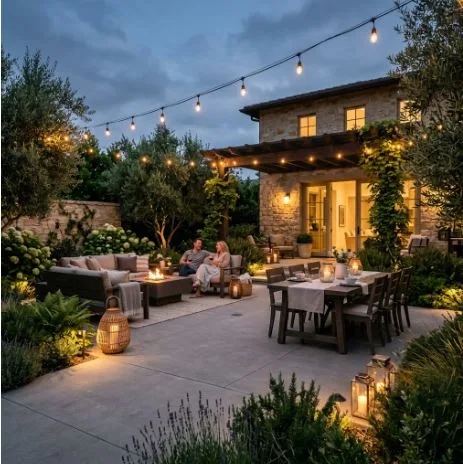
A well-designed patio does more than add square footage to your home—it transforms how you live, entertain, and unwind. Whether you’re dreaming of weekend cookouts or quiet mornings with coffee in hand, the right patio makes it all possible. This guide walks you through everything you need to know to create an outdoor space that looks stunning, lasts for decades, and adds real value to your property.
Why Your Patio Is One of the Best Home Investments You Can Make
Outdoor living spaces consistently rank among the top home improvement projects for return on investment. A quality patio increases your home’s market value, expands your usable living space, and enhances curb appeal—all at once. Unlike interior renovations that only benefit those inside, a great patio signals pride of ownership the moment someone pulls into your driveway.
Beyond the financials, there’s the lifestyle factor. Patios create a natural gathering point for families and friends, turning an underused backyard into the most-loved part of your home.
Choosing the Right Material for Your Patio
Material selection is one of the most important decisions in any patio project. It affects durability, maintenance, aesthetics, and cost.
Concrete
A professionally installed concrete patio gives homeowners a low-maintenance, weather-resistant outdoor surface that holds up beautifully for 30+ years while offering endless design flexibility—from stamped patterns to custom color finishes that mimic stone or brick at a fraction of the cost.
Concrete is one of the most versatile and cost-effective options available. It handles heavy foot traffic, resists cracking when properly installed, and can be styled to match virtually any home exterior. Stamped concrete, in particular, has surged in popularity because it delivers a high-end look without the high-end price tag.
Natural Stone
Bluestone, travertine, and flagstone offer a timeless, organic feel. Natural stone is beautiful but tends to cost more upfront and requires more maintenance over time—sealing, weed control between joints, and occasional resetting of shifted pieces. It’s a great option for smaller patios where the investment makes visual sense.
Pavers
Concrete or brick pavers are another popular choice. They’re flexible, easy to repair (individual units can be replaced), and come in a wide variety of shapes and colors. The downside? Joint sand can erode, and weeds can find their way through over time.
Composite Decking
Technically, a deck material rather than a patio surface, composite decking is worth mentioning for homeowners considering a raised structure. It’s low-maintenance and durable, but it doesn’t offer the same permanence or heat resistance as concrete or stone.
How to Plan Your Patio Layout Like a Pro
Start With How You’ll Use the Space
Before picking materials or colors, define the purpose of your patio. Will it host large dinner parties or serve as a peaceful retreat for two? Do you need space for a grill, an outdoor dining set, and a lounge area? Mapping out your needs first prevents costly redesigns later.
A general rule: budget for more space than you think you’ll need. Most homeowners wish their patios were larger after the fact, rarely the opposite.
Factor in Sun, Shade, and Privacy
Observe how sunlight moves across your yard throughout the day. A west-facing patio can become unbearably hot by late afternoon in summer, making shade structures like pergolas or retractable awnings worth including in your initial plan. Similarly, think about sightlines from neighboring properties—strategic landscaping or fencing can transform an exposed patio into a private sanctuary.
Don’t Overlook Drainage
Poor drainage is one of the most common—and costly—patio mistakes. Water that pools on or around your patio can crack surfaces, erode foundations, and create slip hazards. A properly graded surface with the right slope (typically a ¼-inch drop per foot away from the house) keeps water moving in the right direction.
Adding Features That Elevate Your Patio
Once your base surface is planned, the real fun begins. These additions take a basic patio from functional to exceptional.
Outdoor Kitchen or Built-In Grill: Nothing upgrades outdoor entertaining faster. Even a modest built-in grill with a small prep counter changes how you use the space entirely.
Fire Pit or Fireplace: Fire features extend patio season well into fall and even winter. A built-in concrete fire pit pairs beautifully with a stamped or brushed concrete surface, creating a cohesive design.
Lighting: Ambient lighting—string lights, pathway lighting, and recessed step lights—makes a patio usable after dark and adds a warm, inviting atmosphere.
Pergola or Shade Structure: A pergola defines the space, provides partial shade, and serves as a framework for climbing plants, string lights, or retractable covers.
Outdoor Seating Walls: Built-in seating walls maximize seating without cluttering the space with furniture. They’re especially useful for smaller patios or irregular shapes.
What to Expect from the Installation Process
A professional patio installation typically follows a clear sequence: site assessment, design approval, excavation, base preparation, surface installation, and finishing. For concrete patios, curing time is important—concrete reaches full strength after about 28 days, though it’s generally safe to walk on after 24–48 hours.
Working with an experienced contractor ensures proper base compaction, correct slope for drainage, and quality finishing that holds up across seasons. Always ask to see previous projects, confirm licensing and insurance, and get a written quote that includes materials, labor, and timeline.
Making the Most of a Smaller Outdoor Space
Not every homeowner has a sprawling backyard, and that’s perfectly fine. Smaller patios can be just as impactful with the right design approach.
Vertical elements—trellises, wall planters, tall container plants—draw the eye upward and create the illusion of more space. Choosing a consistent material and color palette throughout keeps the area feeling cohesive rather than cluttered. And built-in features like benches and storage ottomans do double duty without eating into floor space.
Your Dream Patio Is Closer Than You Think
A great patio doesn’t happen by accident. It comes from thoughtful planning, quality materials, and skilled installation—and when those three elements come together, the result is an outdoor space that genuinely improves daily life.
From choosing the right surface material to selecting features that match your lifestyle, every decision you make shapes how much you’ll enjoy—and how long you’ll love—your patio. Take the time to plan it well, invest in professional installation, and you’ll have an outdoor space that pays dividends for years to come.
Ready to get started? Reach out to a local concrete and patio specialist to discuss your vision and get a quote tailored to your space.