The Predictive Fall Revolution: Why 2026 Is the Year Medical Alerts Stopped Waiting for the Fall
For decades, medical alert systems have been a crucial safety net, providing peace of mind by summoning help after a fall. They are reactive heroes, arriving on the scene after an incident has already occurred. But what if we could shift that paradigm? What if, instead of waiting for a fall, our technology could anticipate it, warning us before it happens?
Welcome to 2026, the year the medical alert industry underwent a fundamental change. Thanks to rapid advancements in Artificial Intelligence (AI) and sophisticated sensor technology, we are no longer just reacting to falls; we are actively predicting and preventing them. This isn’t just an upgrade; it’s a revolution, and Vitalis-PHA is at the forefront, ensuring you and your loved ones benefit from this life-changing innovation.
The Old Paradigm: A Necessary, But Limited, Safety Net
Before we dive into the future, let’s acknowledge the vital role traditional fall detection has played. For millions of seniors and individuals with mobility challenges, pressing a button or having an automatic fall sensor trigger an alert has been a lifesaver. These systems provide rapid communication with emergency services or caregivers, significantly reducing “long lie times” – the dangerous period spent on the floor after a fall, which drastically increases the risk of injury, hypothermia, and even death.
However, even the most advanced traditional systems have inherent limitations:
- Reactive by Nature: They activate after the event. The fall still occurs, and injuries can still happen.
- False Alarms: While improving, accidental triggers (e.g., dropping the device, sitting down heavily) can lead to unnecessary alerts and desensitization.
- The “Unbuttoned” Problem: If the device isn’t worn, or if the user is unable to press the button, the system is useless.
- Lack of Context: Traditional systems don’t understand why a fall happened, only that it did.
The medical community and tech innovators have long dreamt of a proactive solution. The question wasn’t if we could prevent falls, but how.
Enter AI and the Power of Predictive Analytics
The answer lies in the incredible leaps made in Artificial Intelligence, particularly in machine learning and pattern recognition. In 2026, AI is no longer a futuristic concept; it’s the invisible engine powering countless aspects of our daily lives, and now, it’s transforming senior safety.
At its core, predictive fall detection works by establishing a “baseline” – a unique profile of an individual’s normal movement patterns, gait, balance, and activity levels. This baseline is built over time, as the system (often a combination of wearable sensors, ambient home sensors, and even advanced camera systems) collects and analyzes vast amounts of data.
How It Works: The Mechanics of Prediction
- Data Collection:
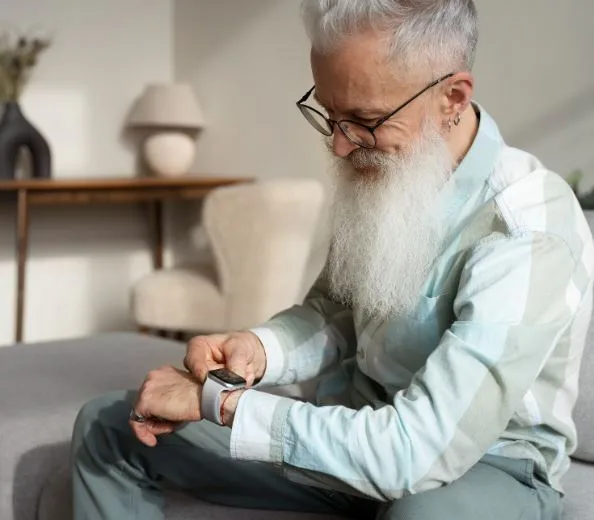
- Wearable Sensors: Modern medical alert devices, often discreetly integrated into smartwatches or pendants, are equipped with sophisticated accelerometers, gyroscopes, and other motion sensors. Unlike older models, these collect incredibly granular data points on movement.
- Ambient Sensors: Increasingly, non-wearable solutions like radar-based sensors (which can detect movement and even breathing patterns without cameras) or specialized pressure mats are being deployed in homes. These offer continuous, unobtrusive monitoring.
- Vision-Based Systems (Optional & Privacy-Focused): In some advanced setups, AI-powered cameras (often with privacy-preserving features like anonymized stick-figure tracking) can analyze posture and movement in real-time.
- Establishing the Baseline: Over days and weeks, the AI algorithm learns what is “normal” for the user. It understands their typical walking speed, stride length, balance sway, and how they transition between sitting and standing. This baseline is incredibly personalized – it accounts for individual variations due to age, existing conditions, and even daily fluctuations in energy.
- Detecting Deviations: This is where the magic happens. The AI continuously monitors the incoming data against the established baseline. If it detects subtle but significant deviations – a slower, shuffling gait, increased sway, a sudden loss of balance, or difficulty initiating movement – it flags these changes as potential precursors to a fall.
- Risk Assessment & Alerting: Based on the severity and consistency of these deviations, the system calculates a real-time “fall risk score.” If this score crosses a predefined threshold, the system doesn’t wait for the fall; it triggers a proactive alert.
Beyond the Alert: The Proactive Interventions of 2026
The power of predictive fall detection isn’t just in the warning; it’s in the action that can be taken before an incident. When a Vitalis-PHA system detects an elevated fall risk, several interventions can be triggered:
- Caregiver Notification: Immediate alerts are sent to designated family members or professional caregivers, informing them of the increased risk and even suggesting a check-in. This allows for timely intervention – perhaps a call to remind the individual to sit down, or a visit to assess their immediate needs.
- Voice Prompts: Some advanced systems can even deliver gentle, spoken reminders to the user within their home environment: “It seems your balance is unstable. Please find a chair and rest.”
- “Stand-By” Mode: The system can enter an elevated monitoring state, intensifying its data collection and increasing the sensitivity of its fall detection algorithm, ready to respond instantly if a fall occurs.
- Insights for Healthcare Providers: The aggregated data on gait changes and balance issues can be invaluable for physical therapists and doctors. It provides objective evidence of decline, allowing for proactive adjustments to medication, exercise routines, or mobility aids.
Real-World Impact: A Glimpse into a Safer Future
Imagine Mrs. Henderson, an 82-year-old living independently. Her Vitalis-PHA system has been quietly learning her daily rhythms. One afternoon, after a slightly restless night and missing her usual walk, the AI detects a subtle but consistent increase in her postural sway and a reduction in her stride length. These are early indicators of fatigue and potential instability.
Instead of waiting for Mrs. Henderson to take an unsteady step and fall, her daughter, Sarah, receives an alert on her smartphone: “Elevated fall risk detected for Mom. Suggest checking in.” Sarah calls her mother, who admits to feeling a bit wobbly. Sarah suggests she take it easy, perhaps move her afternoon tea from the kitchen counter to the more accessible living room table. A potential fall was averted simply by understanding the warning signs.
This isn’t science fiction; it’s the reality of 2026. This proactive approach not only prevents injuries but also significantly reduces anxiety for both seniors and their families, fostering greater independence and quality of life.
Vitalis-PHA: Leading the Charge in Proactive Safety
At Vitalis-PHA, we are committed to harnessing the latest technological innovations to provide unparalleled safety and peace of mind. Our 2026 medical alert systems integrate these cutting-edge predictive fall detection capabilities, offering:
- Personalized Baselines: Our AI systems are designed to learn your unique patterns, ensuring highly accurate and relevant risk assessments.
- Seamless Integration: Whether you prefer a discreet wearable or ambient home sensors, our solutions blend effortlessly into your lifestyle. Learn more about our Medical Alert Systems.
- Comprehensive Support: Beyond the technology, our 24/7 monitoring center is staffed by compassionate professionals ready to respond to any alert, predictive or otherwise.
- Data-Driven Insights: We provide secure access to activity trends and risk assessments, empowering you and your care team with actionable information. Explore how we protect your Privacy and Security.
The Future is Proactive, Not Reactive
The move from reactive to predictive fall detection marks a pivotal moment in senior care. It shifts the focus from managing the consequences of falls to actively preventing them, allowing individuals to maintain their independence with greater confidence and safety.
2026 isn’t just a year on the calendar; it’s the dawn of a new era where medical alert technology doesn’t just call for help—it helps you avoid needing it in the first place. This is the promise of the predictive fall revolution, and Vitalis-PHA is proud to deliver it to you and your family.
Ready to learn more about how Vitalis-PHA’s next-generation medical alert systems can provide proactive protection for your loved ones? Visit Vitalis Contact Us page or call for a personalized consultation.