The Quiet Infrastructure Problem Behind the AI Agent Boom
Much of the conversation about artificial intelligence in business focuses on the models: which system reasons best, writes best, or codes best. For companies actually deploying AI to do commercial work, a less glamorous factor is turning out to matter more. The deciding variable is not how clever the model is. It is whether the data the model acts on is accurate.
This is becoming clear as businesses move from using AI to draft text toward using it to take action. An assistant that summarizes a document only needs the document. An agent that builds a sales list, prioritizes accounts, or reaches out to prospects needs reliable information about real companies and people. When that information is wrong, the agent does not hesitate. It acts on the error immediately, and it does so at a scale no human team could match.
Why data quality scales differently with machines
A person working from an outdated contact list notices the friction. Emails bounce, calls reach the wrong desk, and the person stops to check. An automated system has no such instinct. It processes whatever it is given and produces output with the same confidence whether the underlying records are current or years out of date.
That difference changes the economics of data quality. Information that was merely inconvenient when humans did the work becomes a real liability once software acts on it autonomously. Businesses that want to hand more of their routine work to AI are discovering that they first have to fix something more basic: the fragmented, duplicated, and aging records sitting inside their existing systems.
The fragmentation problem most companies share
The typical mid-sized company runs many separate software tools, each holding its own version of the customer. A single business might appear under slightly different names across a sales system, a marketing platform, and a support tool, with no link between the entries. The same organization can exist as several disconnected records, each holding a fragment of the full picture.
Reconciling those fragments by hand does not scale. As soon as one cleanup finishes, new data flows in and the duplication starts again. The task is a poor fit for human effort and a natural fit for software, provided the software is built to recognize when different records describe the same real entity. That recognition, sometimes called entity resolution, is the unglamorous foundation that determines whether everything built on top of it works.
A shift toward shared, verified data layers
In response, a category of tools has emerged that sits beneath a company’s existing software and maintains a single, reconciled view of each customer and account. Rather than replacing the systems a team already uses, this layer connects them, resolving duplicates and keeping the resulting records current as new information arrives.
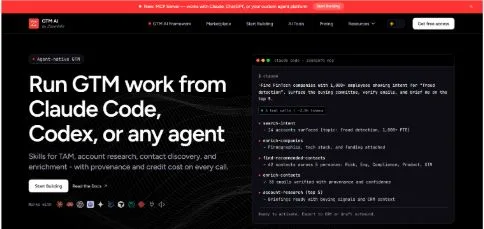
The aim is to give both people and automated systems one dependable source to draw on. A modern GTM data platform works on this principle, connecting fragmented records into resolved profiles and exposing that verified information to the tools and AI assistants a company already relies on. When every system references the same reconciled data, the downstream effects compound: reporting becomes more trustworthy, routine decisions get easier to automate, and teams spend less time arguing about whose numbers are right.
What it means for businesses adopting AI
For organizations weighing how far to push automation, the practical lesson is to look at the foundation before the features. The temptation is to add another tool or another model. The more durable move is to ensure the information those tools consume is accurate in the first place. An average model working from clean, verified data will usually outperform a more advanced model working from a fragmented mess.
This is a less dramatic story than the race between AI labs, but it is closer to where the value is actually created inside companies. As more of the everyday commercial motion shifts from people clicking through screens to software acting on instructions, the advantage moves toward the organizations that can trust what their systems know. Models will keep improving and growing cheaper. Accurate information about the real world remains harder to come by, and that is increasingly where the real work lies.