The Restaurant Equipment Behind Successful Food Businesses
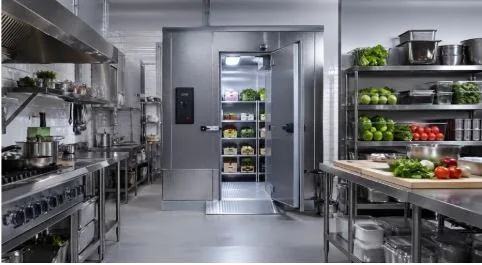
Opening or expanding a food business has always required courage, timing, and capital. But in today’s market, restaurant owners, grocery operators, delis, bakeries, caterers, and commercial kitchen managers are facing a new reality: the success of a food operation depends not only on the menu, location, or staff, but also on the quality and reliability of the equipment behind the business.
As food costs, labor expenses, delivery expectations, and health regulations continue to shape the industry, operators are paying closer attention to the equipment decisions they make from day one. A poorly planned kitchen can slow down service, increase utility costs, create food safety risks, and lead to expensive repairs. On the other hand, a well-equipped food business can operate more efficiently, serve customers faster, protect inventory, and scale with fewer operational problems.
This is why many food entrepreneurs now approach equipment purchasing as a strategic business decision rather than a simple shopping task. Choosing the right restaurant equipment can directly affect productivity, workflow, food quality, and long-term profitability.
For a new restaurant, the equipment list can be overwhelming. Cooking equipment, prep tables, commercial refrigeration, display cases, dishwashing systems, shelving, smallwares, ventilation, and storage solutions all need to work together. Even experienced operators can struggle to compare product options, understand space requirements, and decide which items are essential immediately versus which can be added later.
Refrigeration is one of the most important areas where smart planning matters. Food businesses rely on cold storage every day, and even a minor refrigeration issue can create serious financial loss. Restaurants, supermarkets, convenience stores, florists, bakeries, butcher shops, and food distributors all need dependable cold storage systems to protect perishable inventory.
Among these solutions, a walk in cooler is often one of the most valuable investments for growing food businesses. Unlike reach-in refrigerators, walk-in units allow businesses to store larger quantities of ingredients, beverages, prepared foods, flowers, or frozen goods in an organized and accessible space. For many operators, a walk-in cooler is not just a storage room. It is part of the business infrastructure.
The demand for walk-in coolers has grown as more businesses focus on inventory control, bulk purchasing, and operational efficiency. A restaurant that can buy ingredients in larger quantities may reduce purchasing costs. A grocery store with better cold storage can carry more products. A catering company can prepare for larger events. A bakery can manage creams, fillings, and temperature-sensitive ingredients more safely.
However, selecting the right walk-in cooler requires more than choosing a size. Business owners must consider insulation value, panel quality, door configuration, refrigeration system type, delivery access, installation requirements, local codes, and future growth. Some operators may need a quick-ship model for fast setup, while others may require a custom solution designed for a specific floor plan or high-volume operation.
This is where experienced suppliers play an important role. A good equipment partner should not only sell products, but also help business owners understand what they actually need. The right supplier can help evaluate space, explain refrigeration options, compare box-only and complete system packages, and guide customers toward practical solutions based on budget, timeline, and business type.
For businesses in the New York and New Jersey area, Atlantic Restaurant & Supermarket Equipment has become a trusted resource for foodservice and retail operators looking for commercial kitchen and refrigeration solutions. Based in Kearny, New Jersey, Atlantic serves restaurants, supermarkets, delis, bakeries, cafes, convenience stores, and other food businesses with a wide selection of equipment and industry knowledge.
Atlantic’s approach reflects a broader shift in the market. Food entrepreneurs are no longer just looking for a vendor. They are looking for a partner that understands the realities of opening, upgrading, and operating a food business. From cooking equipment to refrigeration, the purchasing process needs to be clear, practical, and aligned with the business owner’s goals.
This is especially important for first-time restaurant owners. Many new operators underestimate how much equipment planning affects daily operations. A kitchen with poor layout can create bottlenecks. A cooler that is too small can limit purchasing power. An underpowered refrigeration system can cause temperature problems. Choosing based only on the lowest price can become more expensive over time if the equipment fails, delays service, or requires frequent repairs.
At the same time, experienced operators are becoming more selective. Multi-location restaurants, supermarkets, and food retailers often need equipment that can support growth. They may require faster lead times, larger storage capacity, better financing options, and suppliers who can handle both standard and custom equipment needs.
As the food industry continues to evolve, equipment planning will remain one of the most important foundations of a successful operation. A strong concept and good food may bring customers through the door, but reliable equipment helps the business serve those customers consistently.
For any food business preparing to open, expand, or upgrade in 2026, the lesson is clear: equipment is not just a cost. It is a business asset. The right choices can improve efficiency, protect inventory, support staff, and create a stronger operating foundation.
Whether the need is a full commercial kitchen setup, refrigeration upgrade, supermarket display equipment, or a new walk-in cooler, working with an experienced equipment supplier can help business owners make smarter decisions before costly mistakes happen.