The Right to Play: Why Affordable Recreation Belongs in the Sustainable City
A sustainable city is often described through big ideas: cleaner transportation, renewable energy, efficient buildings, resilient infrastructure, and reduced emissions. But sustainability is also about something much more ordinary—the ability of people to enjoy a healthy, active, and connected life within their own communities.
That is why affordable recreation deserves a place in urban planning.
Parks, playgrounds, community sports centres, walking paths, public courts, swimming facilities, and other recreational spaces are not simply amenities. They contribute to physical health, social connection, mental well-being, and quality of life. The World Health Organization recognizes that supportive urban environments, including accessible sports and recreation facilities, can help people become more physically active.
When recreation is accessible only to people who can afford expensive memberships, private facilities, transportation, or specialist equipment, an important part of urban life becomes unequal. A sustainable city should instead make it possible for people from different ages, incomes, and abilities to participate.
Recreation Is Part of Healthy Urban Planning
Cities influence how people move, interact, and spend their free time. A neighbourhood with safe sidewalks, connected parks, public transportation, and accessible recreational facilities gives residents more opportunities to incorporate movement into everyday life.
This matters because physical activity is not limited to formal exercise. Walking, cycling, sports, active recreation, and play all count as physical activity, and they can be adapted to different ages and ability levels.
Urban planning therefore has a role in creating conditions that make activity easier rather than requiring people to overcome barriers simply to participate.
Consider a child who can walk to a nearby playground, a teenager who can use a public basketball court after school, or an older adult who has access to a safe walking route and community recreation centre. None of these experiences necessarily requires a high-cost private facility. Yet together, they can make a neighbourhood more active and socially connected.
WHO also highlights the importance of accessible and equitable green and blue spaces that are distributed across urban areas rather than concentrated in only a few locations.
Affordability Determines Who Gets to Participate
Having a recreational facility in a city does not automatically make it accessible.
Fees, transportation costs, equipment expenses, membership requirements, and inconvenient opening hours can all discourage participation. A sports centre might technically be available to everyone while remaining financially or practically out of reach for many residents.
Affordable recreation addresses this gap.
Municipalities can use different approaches depending on their resources and community needs. These may include free public parks and courts, reduced-cost recreation programmes, subsidized memberships, free community events, public swimming hours, equipment-lending programmes, and partnerships with schools or local organizations.
The goal is not necessarily to make every activity completely free. Rather, cities should ensure that cost does not become an unnecessary barrier to participation.
This principle is particularly important for children and young people. Recreation can provide opportunities for movement, social interaction, skill development, and structured leisure outside school hours. It can also give communities places where different generations naturally interact.
Public Space Can Do More Than One Job
One of the strongest arguments for recreation in sustainable cities is that public spaces can serve multiple purposes at once.
A well-designed park can provide space for walking, informal sports, children’s play, community gatherings, shade, biodiversity, and relaxation. A sports complex can potentially combine courts, green areas, pedestrian connections, seating, and community facilities.
UN-Habitat emphasizes that public spaces contribute to environmental, social, and economic dimensions of urban development. Its guidance identifies factors such as equitable distribution, connectivity, accessibility, diversity, and quality as important characteristics of successful public-space systems.
This multifunctional approach is particularly valuable when urban land is limited.
Instead of viewing recreation as a separate category that competes with sustainability, planners can incorporate recreational functions into broader infrastructure. A green corridor, for example, can connect neighbourhoods while providing walking and cycling opportunities. A redesigned public square can create space for community activities. A park can incorporate trees, permeable surfaces, stormwater features, and recreational areas within the same project.
Green Recreation Spaces Can Support Climate Resilience
Recreation spaces can also contribute to environmental goals when they are thoughtfully designed.
Trees and vegetation provide shade and can help reduce the effects of urban heat. The U.S. Environmental Protection Agency notes that green infrastructure can help mitigate heat-island effects, while urban vegetation can also contribute to stormwater management and other environmental benefits.
This means a recreational park does not have to be a large area of conventional lawn surrounded by concrete. Sustainable design can include native or climate-appropriate planting, shade trees, rain gardens, permeable surfaces, efficient irrigation, and biodiversity-friendly landscaping where appropriate.
Such spaces can make outdoor recreation more comfortable while providing environmental benefits.
The design must, however, reflect local climate and water conditions. A sustainable recreational facility in a dry region may require a very different landscape strategy from one in a wet climate. Good planning considers local ecology rather than applying one standard model everywhere.
Recreation Should Be Connected to Everyday Mobility
Accessibility is not just about whether a facility has an entrance. It also concerns how people get there.
A recreation centre that requires a long car journey may be less accessible to children, older adults, people with disabilities, and households without private vehicles. By contrast, facilities connected to sidewalks, cycling routes, public transportation, and safe crossings can become part of everyday neighbourhood life.
WHO identifies walking and cycling as forms of active mobility that can benefit health while also reducing congestion, air pollution, noise, and transport-related emissions.
This creates an important connection between transportation planning and recreation.
Imagine being able to walk or cycle from home to a public park, continue to a community sports facility, and return using a connected network of safe streets and paths. The journey itself can become part of an active lifestyle.
Even seemingly simple tools, such as an online ice rinks finder, can make recreational opportunities easier to discover, particularly for residents who are new to an area or looking for facilities outside their immediate neighbourhood.
Inclusive Recreation Means Designing for Different People
A truly sustainable city cannot assume that everyone uses public space in the same way.
Children need safe play areas. Teenagers may want courts and informal gathering spaces. Adults may look for fitness, sports, or walking opportunities. Older residents may value comfortable seating, accessible paths, shade, and low-impact activities. People with disabilities need facilities and routes that are genuinely accessible rather than merely compliant on paper.
Recreation should also accommodate different levels of experience.
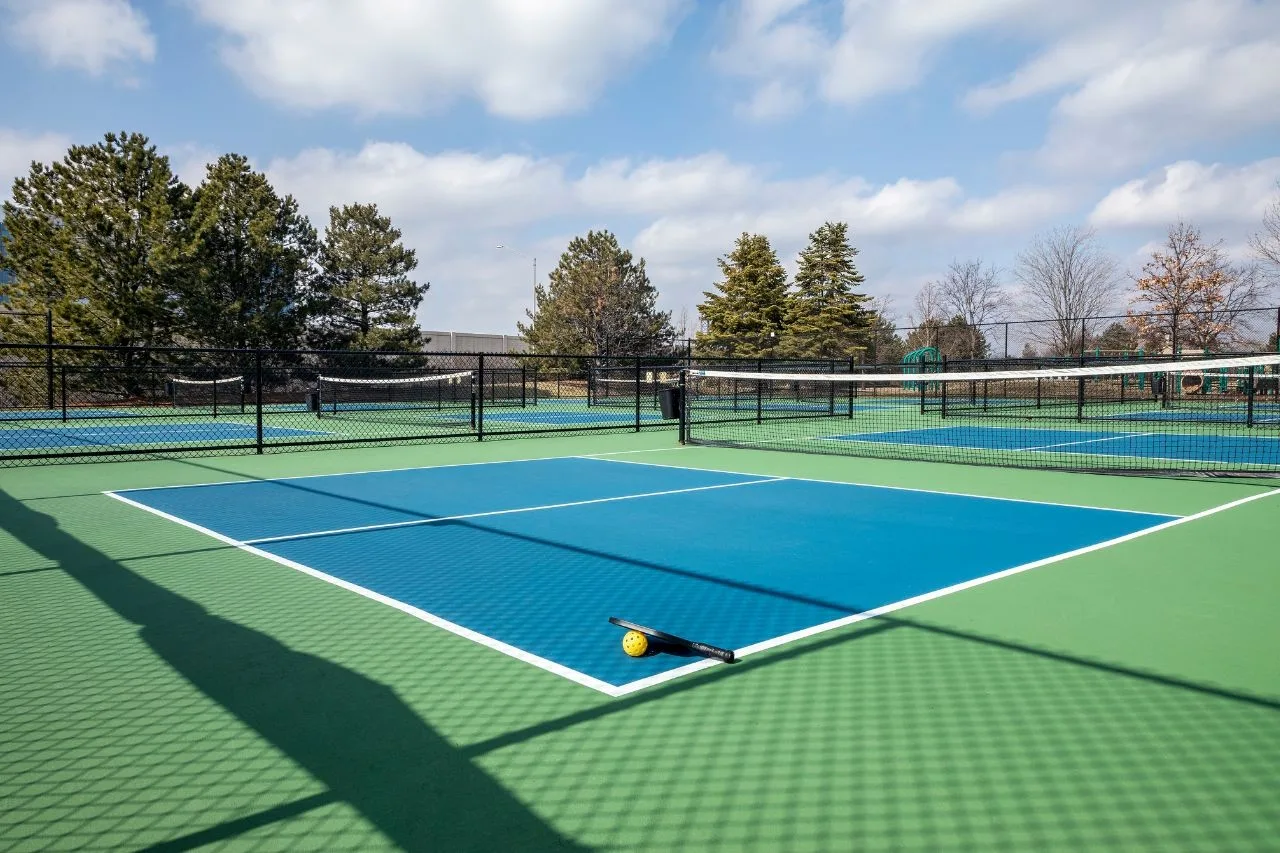
Someone who has never played a particular sport may feel uncomfortable entering a competitive environment. Affordable beginner programmes and community-based instruction can reduce that barrier. For example, introductory pickleball lessons can provide a structured way for new players to learn the rules, basic techniques, and court etiquette before participating independently.
The wider principle is simple: recreation works best when people feel that a space is meant for them.
Local Communities Should Help Shape Recreational Spaces
Sustainable planning is not only about physical design. It is also about participation.
A city may invest in an impressive facility, but if planners do not understand how residents actually use their neighbourhoods, the result may fail to meet local needs. Community consultation can reveal practical issues such as preferred activity times, safety concerns, accessibility barriers, missing facilities, or demand for particular sports.
UN-Habitat’s public-space guidance emphasizes the importance of understanding existing conditions, community needs, long-term goals, implementation, and maintenance when developing city-wide public-space strategies.
Residents should therefore have opportunities to contribute before major recreational projects are finalized.
Community involvement can also continue after construction. Local organizations, schools, sports groups, and residents can help organize activities, maintain facilities, and identify problems before they become expensive repairs.
Affordable Does Not Have to Mean Low Quality
There is sometimes an assumption that affordable recreation requires cities to build basic or inferior facilities. That is not necessarily the case.
The better goal is to maximize public value.
A thoughtfully designed public court can be durable, safe, attractive, and inexpensive to use. A well-maintained neighbourhood park can provide enormous value without requiring luxury infrastructure. A community centre can offer several activities under one roof, improving the efficiency of the space.
Maintenance is particularly important. A neglected park or broken sports facility quickly becomes less useful, regardless of how well it was designed originally.
Sustainability therefore includes the long-term cost of maintaining facilities, not just the initial construction budget.
Recreation Is an Investment in the City
The case for affordable recreation ultimately goes beyond sports.
Public spaces can encourage physical activity, support mental well-being, create opportunities for social interaction, and strengthen community connections. UN-Habitat describes well-designed public spaces as important to health, social inclusion, environmental sustainability, and quality of life.
They can also help create more lively neighbourhoods. When people have reasons to spend time outside, parks and public spaces can become places where neighbours meet, families gather, and community relationships develop naturally.
That is particularly valuable in rapidly growing cities, where residents can otherwise experience isolation despite living close to thousands of other people.
Building Cities Where Everyone Has the Right to Play
Sustainability should not be reduced to carbon calculations and infrastructure targets. A city is sustainable when it can support people’s well-being while using its environmental, financial, and physical resources responsibly.
Affordable recreation fits directly into that vision.
Cities can provide accessible parks, safe walking and cycling connections, community sports facilities, inclusive playgrounds, green spaces, and low-cost programmes. They can design these places to serve multiple purposes, reduce environmental impacts, and respond to the needs of local communities.
Most importantly, they can treat recreation as part of essential urban infrastructure rather than an optional luxury.
The right to play, move, relax, and participate in community life should not depend entirely on income or postcode. When recreational opportunities are affordable, connected, inclusive, and thoughtfully designed, they help create cities that are healthier, more equitable, more resilient, and more enjoyable to live in.
That is not simply good recreation policy. It is good city planning—and an important part of building a genuinely sustainable urban future.