The Rise of Culinary Tourism: How High-End Gastronomy is Redefining Luxury Travel in Singapore
For decades, luxury travel was defined by five-star hotel suites, exclusive shopping districts, and private transportation. Today, a significant shift is occurring among affluent globetrotters. High-net-worth individuals are moving away from traditional material luxury, choosing instead to prioritize immersive, experience-led travel. At the very center of this shift is gastronomy. Food is no longer just a pleasant amenity on a vacation. For many modern tourists, it is the primary reason to book a flight in the first place, completely shifting the entire landscape of global hospitality.
Spotlight on Singapore: A Premier Gastronomic Destination
Nowhere is this trend more visible than in Singapore. In 2025, the city-state recorded a robust S$23.9 billion in tourism receipts over the first three quarters alone, with overall food and beverage spending experiencing a massive 15% year-on-year growth. The 2026 Michelin Guide Singapore recently celebrated its landmark tenth anniversary edition, cementing the location as a highly competitive and fully developed culinary ecosystem. This sustained growth proves that gastronomy has become a core pillar of the region’s broader economic strategy.
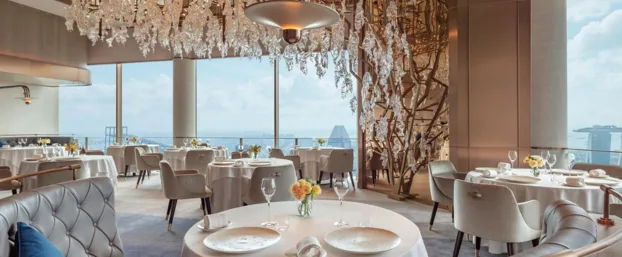
For affluent travelers seeking world-class dining, the diverse array of michelin star restaurants Singapore boasts has turned the city-state into a premier hub. A prime example of this high-end gastronomic appeal is JAAN by Kirk Westaway. Having successfully retained its Two Michelin Stars for a sixth consecutive year in 2026, the restaurant presents a highly distinctive expression of Modern British fine dining. Positioned on the 70th floor of Swissotel The Stamford, it offers sweeping, panoramic views of Marina Bay and the Singapore Strait. With only 12 tables in the dining room, it provides the exact kind of intimate, personalized service that defines modern luxury travel today.
The Economic Impact of Experiential Dining
The numbers behind this travel trend are staggering, pointing to a permanent change in how people vacation. According to a recent analysis by Grand View Research, the global culinary tourism market is projected to reach $76.4 billion by 2033. This represents a massive 21.9% compound annual growth rate, fueled largely by a demographic of modern travelers who prioritize authentic, high-quality food when planning their trips. This shift indicates that travelers are increasingly willing to pay a premium for memorable culinary encounters.
Further data from the World Food Travel Association in July 2026 revealed that modern tourists now allocate an average of 25% of their total travel budget specifically to food and beverage. Mastercard’s Travel Trends report similarly noted that a vast majority of European and North American travelers actively prioritize food-related experiences when selecting their next destination. Food matters significantly more today than it did just five years ago, reshaping how destinations market themselves.
The Michelin Guide as a Global Travel Compass
As culinary tourism grows, prestigious dining accolades have become essential markers for luxury travelers mapping out their itineraries. The influence of global dining guides continues to shape international tourism strategies on a fundamental level. For example, as seen with the recent expansion of the Michelin Guide into South Australia, these prestigious culinary awards highlight regional dining ecosystems and immediately attract a fresh wave of international visitors seeking world-class meals.
When a city or region earns these accolades, it sets a global standard for luxury hospitality. Fine dining establishments serve as cultural ambassadors, drawing food enthusiasts who are willing to cross oceans for a single, unforgettable reservation. The Singapore Tourism Board has actively recognized the immense value of this culinary market. Through campaigns and strategic partnerships, they continue to reinforce the city as a culinary capital to international audiences. Several key factors contribute to this ongoing success:
- A highly developed restaurant tier system, featuring 45 distinct starred establishments in the 2026 guide, ranging from three-star icons to accessible one-star innovators.
- Targeted international marketing programs, like the “A Moment to Savour” initiative, which highlights premium international restaurant collaborations in the Marina Bay precinct.
- Changing tourist demographics that heavily favor experiential dining, with key groups like mainland Chinese tourists showing a 19% year-on-year growth in food and beverage consumption in 2025 alone.
The Future of Experiential Travel
As international travel continues to evolve, the intersection of luxury hospitality and high-end dining will only grow stronger. Travelers no longer want to simply see a destination from the window of a tour bus. They want to taste it, understand its rich culinary heritage, and experience the highest levels of gastronomic innovation. For destinations like Singapore, investing in and celebrating their culinary talent is proving to be the most effective way to capture the hearts, and palates, of the modern luxury traveler.