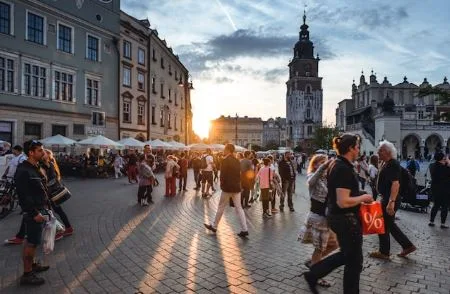
The Rise of Micro-Tourism and Why Travelers Love It
Travel patterns are shifting away from exhausting whirlwind tours toward focused exploration of smaller areas. This movement toward micro-tourism reflects changing priorities among travelers who increasingly value depth over breadth.
Rather than racing through countries to check off famous sites, micro-tourists invest time in truly understanding the places they visit.
The term micro-tourism encompasses various approaches united by intentional limitation of geographic scope. Some practitioners spend entire vacations within single cities or neighborhoods.
Others focus on specific themes, exploring one aspect of a destination in detail while consciously ignoring others. The connecting thread is rejection of the traditional more-is-better approach to travel.
Understanding the Micro-Tourism Movement
The roots of micro-tourism trace to burnout from conventional travel patterns that left people exhausted rather than refreshed. Travelers returned from vacations needing vacations, having spent more time in transit than actually experiencing destinations. Recognition of this pattern drove experimentation with alternative approaches.
Equipment choices reflect micro-tourism values, favoring simplicity and presence over documentation of attractions. While some travelers still carry professional cameras, many have embraced point and shoot cameras or smartphones that capture memories without creating barriers between traveler and experience.
The goal is engagement with places rather than collection of images.
Social media paradoxically both drove traditional hyperactive tourism and now fuels the micro-tourism reaction. Staged photos at famous landmarks feel increasingly hollow compared to authentic moments discovered through patient exploration.
Micro-tourism content celebrates the overlooked and ordinary, finding beauty in daily life rather than spectacle.
Benefits of Slowing Down
Limiting travel scope creates space for serendipitous discoveries impossible during rushed itineraries. Wandering without agenda through neighborhoods reveals local cafes, hidden gardens, and street life invisible to tourists racing toward attractions. These unplanned encounters often become trip highlights.
Deeper relationships form when travelers spend extended time in single locations. Repeated visits to the same coffee shop or market create recognition and conversation. Shopkeepers and restaurant staff remember faces, offering recommendations and insights unavailable to passing tourists.
Environmental benefits accompany the micro-tourism approach. Reduced transportation lowers carbon footprints significantly compared to multi-destination itineraries. Walking and cycling through limited areas replaces flights and long drives. These impacts multiply as more travelers adopt focused exploration patterns.
Popular Micro-Tourism Approaches
Neighborhood tourism concentrates entire trips within single urban districts. Travelers choose neighborhoods known for particular characteristics and spend days or weeks exploring every street, shop, and restaurant within walking distance.
This approach reveals how areas function as communities rather than collections of attractions.
Thematic tourism focuses on specific interests across manageable areas. Food-focused travelers might spend weeks in Oaxaca exploring markets, restaurants, and cooking classes without venturing beyond the city.
Architecture enthusiasts could dedicate trips to studying buildings within single neighborhoods in Barcelona or Chicago.
Repeat-visit tourism involves returning to the same destination multiple times rather than constantly seeking new places. Each visit deepens understanding and reveals changes over time. Familiar places become almost second homes, with travelers developing genuine connections to communities.
Destinations Well-Suited to Micro-Tourism
Dense urban neighborhoods with distinct characters reward extended exploration. Cities like Paris, New York, Tokyo, and Rome contain neighborhoods different enough to sustain weeks of focused attention. The key is resisting temptation to venture beyond chosen boundaries.
Small towns and rural areas offer micro-tourism opportunities often overlooked by travelers focused on major destinations. A week in a single Tuscan village or Vermont town allows integration impossible during standard tours. Local events, markets, and daily routines become accessible to patient visitors.
Island destinations naturally limit scope while offering sufficient interest for extended stays. Greek islands, Caribbean destinations, and Indonesian communities each contain worlds worth weeks of exploration. Water boundaries remove temptation to keep moving.
The Future of Travel
Micro-tourism represents broader shifts in how people define meaningful experiences. Quality increasingly trumps quantity across consumption categories, and travel follows this pattern. Travelers seek transformation rather than accumulation, connection rather than collection.
As this movement grows, destinations may adapt by developing resources for deeper exploration rather than broader attraction. The future of travel may well belong to those willing to stay still long enough to truly see where they are.