The Rise of ‘Soft Architecture’ in Concrete Jungles
Cities everywhere are changing today. Not louder. Not taller. Gentler.
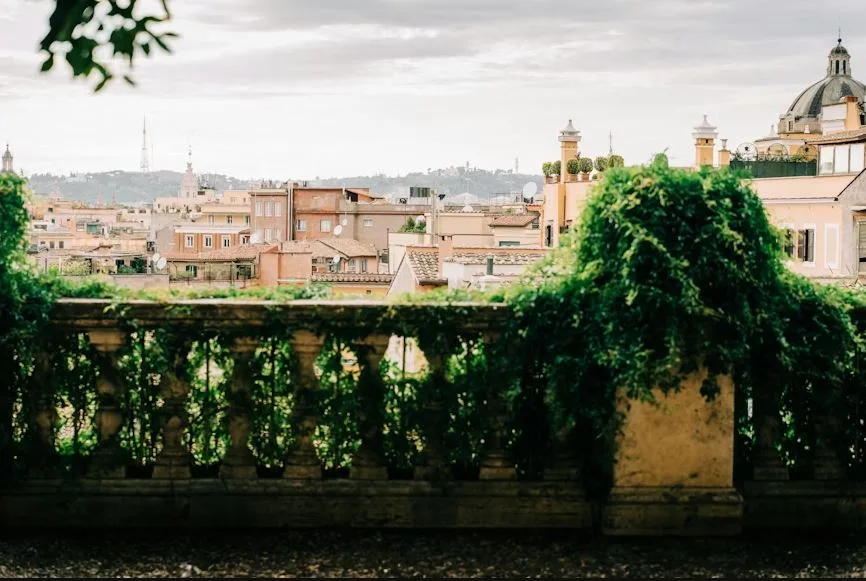
Across the world, designers are shifting away from harsh edges and cold forms. In their place, they are embracing curves, greenery, breathable spaces, and materials that feel calm. We’ve entered the soft architecture, and it’s slowly transforming modern skylines.
In fast-growing cities like Dubai, where steel and glass dominate, this move comes at the right time. People don’t want impressive buildings. They want places that feel good to exist in.
What Is Soft Architecture?
Have you ever thought about how a space makes you feel? Soft architecture is exactly that. It values moments over monuments, and experience over spectacle.
ArchDaily explains that this approach reflects a pivot away from rigid forms toward spaces that invite movement, pause, and connection. Less control and more flow.
Think curved lines. Filtered light. Materials that age well. Spaces that encourage lingering. It’s architecture that breathes.
Why the Shift Is Happening
Living in a concrete jungle is exhausting. Constant noise. Sharp lines. Visual clutter. Over time, it wears us down.
Soft architecture answers this problem with calm design. Buildings no longer need to dominate. They can support. They can be soothing. The trend aligns with broader ideas that rethink how we use materials.
Styles like eco-brutalism soften raw concrete with greenery, texture, and sustainable methods. It blends strength with softness, creating spaces that feel grounded rather than overwhelming.
From Brutal to Gentle: A New Kind of Strength
Brutalism once meant heavy forms and stark surfaces. Now, it’s evolving.
In tropical climates like Bali, designers are reworking this style with airflow, shading, and nature in mind. This blend is called tropical brutalism.
The style works when it responds to climate, not just trends. It uses thick walls for cooling, deep overhangs for shade, and open layouts for ventilation.
In the UAE, heat shapes how people move. Shade isn’t optional. Neither is airflow.
Green Isn’t Decoration; It’s Structure
Remember when plants were accessories? They’re becoming core design elements.
From vertical gardens to tree-lined terraces, greenery now shapes how buildings function. It cools surfaces. It filters air. Large outdoor commercial planters play a role here, particularly in dense environments.
Commercial outdoor planters create boundaries without walls. They offer shade without construction. They soften public areas without permanent changes. Planters for commercial spaces, like planter boxes, allow developers to shape outdoor zones with flexibility.
For example, planters for office buildings blend form and function, guiding placement while adding visual calm, according to PolyMade.
Designing for Climate
Good design doesn’t fight the weather. It works with it.
Architecture must respond to local climate, not to visual taste. Buildings that ignore temperature, sun paths, and wind patterns waste energy and reduce comfort.
Soft architecture leans into this idea. It favors natural cooling, shaded walkways, breathable facades, and materials that regulate heat.
The Concrete Jungle Is Becoming Tropical
Another design movement gaining attention is tropical brutalism. It blends raw materials with lush planting, open spaces, and climate-responsive layouts.
This method is reshaping urban environments. It keeps the strength of concrete but removes the coldness.
The technique makes cities feel more like gardens and less like grids. It’s a form of softness that feels strong.
Why the UAE Is Ready for This Shift
The Emirates, and specifically Dubai, is known for bold statements. But now, there’s room for nuance.
As the city matures, so does its design language. People want walkable spaces. Quiet corners. Shaded courtyards. Places to pause. Soft architecture offers these experiences. It supports outdoor living, which matters in a place where indoor spaces dominate much of the year.
With the right shading, greenery, and airflow, public zones can become usable again. This isn’t about removing luxury but rather about redefining it.
Soft Architecture and Human Behavior
Design influences how people move and how long they stay. Soft spaces encourage connection. They reduce stress.
This is why hotels, malls, and office campuses are embracing fluid layouts and plant-filled zones. People slow down. They stay longer. They feel more comfortable.
That’s good for wellbeing and business.
Cities don’t have to be loud to be powerful. Calm can be impactful. Curves can be strong. Green can be structural.
In Dubai, where growth is constant, this shift makes a difference. It shows that progress doesn’t have to be hard. It can be shade on a hot day. Like water over stone. Like a pause in the middle of movement.
And maybe that’s what modern cities need most.