The Role of Botox in Modern Preventive Healthcare and Aging Management
The landscape of healthcare has shifted dramatically over the past two decades, with an increasing emphasis on preventive measures rather than reactive treatments. Within this paradigm shift, Botox has emerged as a surprising frontrunner, transcending its cosmetic origins to become a legitimate tool in the arsenal of modern preventive healthcare.
What began as a treatment for wrinkles has evolved into a multifaceted medical intervention that addresses both the visible signs of aging and various health conditions.
Today, Cosmetic Botox treatment represents not just vanity but a proactive approach to maintaining both appearance and wellbeing as we age.
Understanding Botox Beyond the Surface
Botulinum toxin, commonly known by its brand name Botox, is a neurotoxin produced by the bacterium Clostridium botulinum. While this might sound alarming, the medical use of Botox involves highly purified, controlled doses that safely block nerve signals to specific muscles. This targeted mechanism has proven remarkably versatile, opening doors to applications far beyond wrinkle reduction.
The journey of Botox from a dangerous toxin to a medical marvel illustrates the innovative spirit of modern medicine. First approved by the FDA in 1989 for treating eye muscle disorders, Botox received cosmetic approval in 2002. Since then, its medical applications have expanded exponentially, earning approvals for treating chronic migraines, excessive sweating, overactive bladder, and numerous other conditions.
The Preventive Approach to Aging
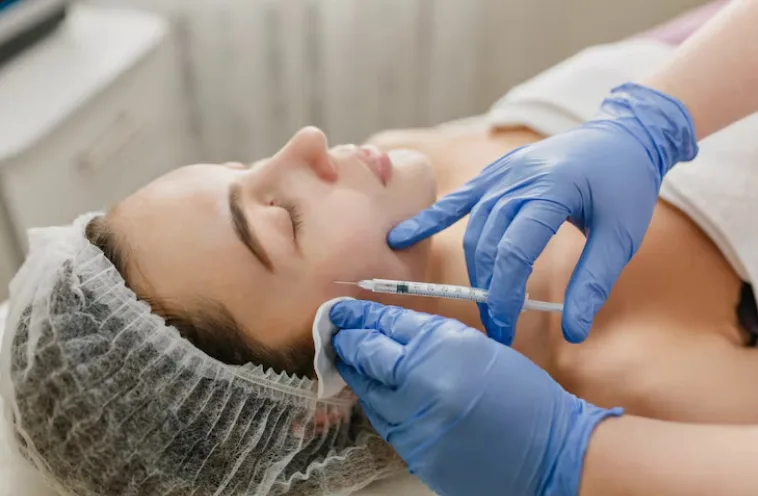
Traditional thinking about aging management focused on correction, addressing wrinkles and lines after they became deeply etched into the skin. The preventive philosophy represents a fundamental shift in this approach. By starting Botox treatments in one’s late twenties or early thirties, before deep wrinkles form, individuals can actually prevent the formation of permanent creases.
This preventive strategy works because facial expressions create repetitive muscle movements that, over years and decades, etch lines into the skin. When muscles contract thousands of times while frowning, squinting, or raising eyebrows, the overlying skin eventually forms persistent folds.
By temporarily relaxing these muscles with Botox, the skin never experiences the repetitive trauma that leads to permanent wrinkle formation.
Research supports this preventive approach. Studies have shown that individuals who begin Botox treatments earlier and maintain regular appointments require fewer units over time and achieve better long-term results than those who wait until wrinkles are deeply set. The skin maintains its smooth texture, and the underlying muscles develop less of the hypertrophy that contributes to pronounced facial lines.
Medical Applications in Preventive Healthcare
The role of Botox in preventive healthcare extends well beyond cosmetic concerns. Chronic migraines affect millions of people worldwide, significantly impacting quality of life and productivity.
For individuals who experience 15 or more headache days per month, preventive Botox injections have proven transformative. By receiving treatments every 12 weeks, many patients experience dramatic reductions in both the frequency and intensity of their migraines.
The mechanism behind migraine prevention appears to involve blocking pain signals before they reach nerve endings. Rather than simply masking symptoms, this approach prevents the cascade of events that leads to migraine onset. For people who previously relied on daily medications with potential side effects, this represents a significant advancement in preventive care.
Hyperhidrosis, or excessive sweating, is another condition where Botox offers a preventive solution. Beyond the social discomfort, chronic excessive sweating can lead to skin infections, social anxiety, and professional challenges.
Botox injections in affected areas block the chemical signals that activate sweat glands, providing relief that typically lasts six to twelve months. This preventive approach allows individuals to avoid the complications associated with constant moisture and the limitations excessive sweating imposes on daily life.
Emerging research continues to reveal new preventive applications. Studies are exploring Botox’s potential in managing depression, particularly when administered in the frown lines, based on the theory that facial feedback influences emotional states.
Other investigations examine its role in preventing keloid scar formation and managing certain types of chronic pain.
The Psychology of Aging Management
The psychological benefits of Botox in aging management deserve serious consideration within the broader context of preventive healthcare. Aging is not merely a physical process but an emotional and psychological journey that affects self-perception, confidence, and mental health.
Research indicates that looking in the mirror and seeing a face that reflects how you feel internally, rather than appearing tired, angry, or older than you feel, contributes significantly to psychological wellbeing. This isn’t about vanity or denying the aging process. Rather, it’s about maintaining congruence between internal vitality and external appearance.
The “looking good, feeling good” phenomenon has genuine neurological underpinnings. When individuals feel positive about their appearance, stress hormones decrease, and confidence-related behaviors increase. This creates a positive feedback loop that can influence overall health outcomes, from cardiovascular health to immune function.
Moreover, the preventive approach to aging management through Botox can reduce anxiety about aging. Instead of watching helplessly as lines deepen year by year, individuals engaging in preventive care feel empowered and proactive.
This sense of control over the aging process contributes to better mental health and may even influence how we age at the cellular level, given the well-established connections between psychological stress and physical aging.
Integration with Holistic Aging Management
The most effective approach to aging management doesn’t rely on Botox alone but integrates it into a comprehensive wellness strategy. Preventive healthcare recognizes that optimal aging results from multiple factors working synergistically.
Skincare routines form the foundation of any aging management program. Daily sunscreen use prevents the majority of premature aging, protecting skin from UV damage that breaks down collagen and elastin. Retinoids stimulate cellular turnover and collagen production, working at the cellular level where Botox cannot reach.
Antioxidants neutralize free radicals that accelerate aging. When combined with Botox’s ability to prevent expression lines, these topical interventions create comprehensive protection against visible aging.
Nutrition plays an equally critical role. Diets rich in antioxidants, omega-3 fatty acids, and adequate protein support skin health from within. Collagen peptide supplementation may improve skin elasticity and hydration. Proper hydration maintains skin plumpness and facilitates the removal of toxins. These dietary approaches complement Botox by optimizing the health of the skin itself.
Exercise contributes to aging management through multiple mechanisms. Cardiovascular exercise increases blood flow, delivering oxygen and nutrients to skin cells while removing waste products. Strength training maintains facial volume by preserving muscle mass. Yoga and stress-reduction practices decrease cortisol, a hormone that accelerates aging when chronically elevated.
Sleep represents perhaps the most overlooked element of preventive aging care. During deep sleep, growth hormone peaks, facilitating cellular repair throughout the body, including the skin. Chronic sleep deprivation accelerates aging at the cellular level, undermining even the best cosmetic interventions.
Considerations and Best Practices
While Botox has an excellent safety profile when administered properly, preventive healthcare requires informed decision-making. Choosing a qualified, experienced provider is paramount. Board-certified dermatologists, plastic surgeons, and trained medical professionals understand facial anatomy, appropriate dosing, and how to achieve natural-looking results.
The “less is more” philosophy applies particularly to preventive Botox. The goal isn’t frozen immobility but rather softened expressions and preserved natural movement. Subtle, regular treatments typically produce more aesthetically pleasing and sustainable results than aggressive interventions.
Timing matters in preventive care. Most experts recommend beginning Botox when fine lines become visible with facial expressions but haven’t yet become static lines present at rest. This typically occurs in the late twenties to mid-thirties, though genetics, sun exposure, and lifestyle factors influence individual timelines.
Regular maintenance forms the cornerstone of preventive strategy. While results typically last three to four months, maintaining consistent appointment schedules prevents muscles from fully recovering their strength, thereby sustaining the preventive benefits.
The Future of Preventive Aging Management
The future of Botox in preventive healthcare looks increasingly sophisticated. Research continues into longer-lasting formulations that might extend treatment intervals. Topical alternatives are in development, potentially offering needle-free options for certain applications.
Personalized medicine approaches may soon tailor Botox treatments to individual genetic profiles, predicting optimal timing, dosing, and treatment intervals based on personal aging patterns. Combination therapies that pair Botox with other preventive interventions promise synergistic effects that exceed what any single treatment can achieve.
As our understanding of the aging process deepens at the molecular and cellular levels, the role of Botox in preventive healthcare will likely expand. Already, research explores its potential in preventing certain degenerative processes beyond wrinkle formation.
Conclusion
The evolution of Botox from a cosmetic procedure to a legitimate component of preventive healthcare reflects broader changes in how we approach aging and wellness. Rather than waiting for problems to become severe before intervening, modern preventive healthcare emphasizes early action to maintain health and function.
In the context of aging management, Botox offers a unique tool that addresses both medical conditions and the visible signs of aging before they become permanent. When integrated into a comprehensive approach that includes skincare, nutrition, exercise, and stress management, Botox contributes to a proactive strategy for healthy aging.
The choice to incorporate Botox into one’s preventive healthcare plan remains deeply personal, influenced by individual values, goals, and circumstances.
However, as scientific evidence supporting its safety and efficacy continues to mount, and as its applications expand beyond cosmetic concerns, Botox has earned its place in the conversation about modern preventive healthcare and aging management.
The key lies not in viewing it as a miracle cure for aging but as one valuable tool among many in the pursuit of health, vitality, and wellbeing throughout the lifespan.