The Role of Technology in Modern Home Care
Technology is transforming how families support aging loved ones, which creates care that is more efficient and personalized. Remote monitoring, telehealth, and smart medication tools streamline daily oversight and management. These digital innovations close long-standing gaps in home care, which makes it easier to ensure safety, consistency, and timely support.
Today’s caregivers, both family and professional, use real-time data, virtual communication, and automated tools to improve safety and independence. As technology advances, it is transforming home care into a more proactive, connected, and empowering experience for everyone.
In this article, we’ll explore the critical and multifaceted role of technology in modern home care.
How Home Care Agencies Use Technology to Deliver Better Support
Home care agencies increasingly rely on technology to provide faster, safer, and more coordinated support for clients and families.
Digital scheduling and care-management tools streamline caregiver assignments and support consistent care. Remote monitoring, fall-detection sensors, and medication reminders help identify risks early, while mobile apps keep families updated. Telehealth and real-time data improve communication and decisions, resulting in safer, higher-quality home care.
Inspire Home Care recommends choosing an agency that prioritizes a safety-first approach through a thorough home assessment. This helps identify risks and create a secure environment. By spotting hazards such as tripping areas, caregivers can take preventive steps. These measures reduce accidents and protect seniors. These technologies build a responsive, data-driven care model that improves safety.
Remote Monitoring Tools That Enhance Safety at Home
Research backed by HDR UK’s Better Care programme demonstrates the outcomes of using digital remote monitoring. The technology reduced A&E attendances by 11%. It also lowered emergency hospital admissions by 25%. These findings highlight how remote monitoring greatly enhances safety and prevention in home care settings.
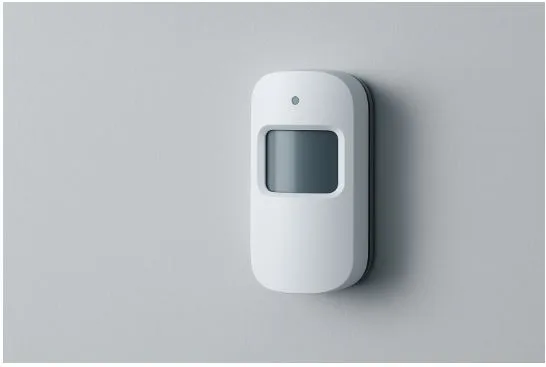
Remote monitoring tools have become essential for enhancing safety and independence in home care. Motion sensors, cameras, wearables, and fall detectors track activity patterns and alert caregivers instantly when something appears unusual. These tools help identify early signs of risk, such as decreased movement or missed medication routines, which enables timely intervention.
Telehealth Services for Accessible and Timely Medical Support
A National Institute of Health study highlighted the broad adoption of telehealth, with 70% of home health agencies reporting its use. The majority (60%) utilized it to connect patients with primary care or specialists. Furthermore, 44% offered virtual home visits, which demonstrated the shift towards remote, accessible initiation and delivery of care.
Telehealth services make medical support more accessible and timely for home care clients. Virtual consultations connect families with doctors and nurses without travel or long waits. This allows faster symptom evaluation and follow-up care. By using video calls and remote assessments, telehealth improves communication and delivers consistent, convenient medical support at home.
Smart Medication Management to Reduce Errors
Smart medication tools are improving accuracy and consistency in home care. Automated dispensers and reminder apps help clients take medications on time while reducing missed or duplicate doses. Caregivers can track adherence remotely and get alerts when doses are skipped. These tools are especially beneficial for seniors with multiple prescriptions.
A ScienceDirect study found that digital health technologies reduced adverse drug events (ADEs) by 37% and medication errors by 54%. Despite higher initial costs, these tools delivered returns within 3–4 years. Savings came from fewer ADE-related expenses and more efficient workflows. It highlights their value in improving medication safety.
Assistive Technologies That Promote Independence
Assistive technologies empower home care clients to stay independent and manage daily tasks with less caregiver support. These tools range from simple adaptations to advanced electronics. Voice-activated assistants help control lights, thermostats, and calls. Smart home sensors and automated locks further improve accessibility, safety, and confidence at home.
For those with mobility challenges, assistive technologies offer tools such as lift systems, automatic feeders, and adaptive kitchen devices. These solutions make daily activities easier and safer. By restoring control to the user, AT promotes independence. It also enhances confidence and greatly improves the quality of life at home.
The Growing Role of AI in Predicting and Preventing Health Issues
AI is fundamentally changing how home care agencies anticipate and preempt health crises. AI systems analyze data from wearables, sensors, and health records to spot early changes in mobility, sleep, or vital signs. Caregivers can intervene sooner and adjust care plans. Machine-learning tools also flag high-risk situations, reducing emergencies.
A study by MDPI reported strong results for AI in predicting and diagnosing health issues. A recent meta-analysis showed accuracy rates between 72% and 77%. It also found that AI correctly identified low-risk cases nearly 80% of the time. These findings highlight AI’s growing value in preventive home care.
Frequently Asked Questions
Can technology help seniors with memory issues?
Yes, technology supports seniors with memory issues through reminders, routines, and safety features. Tools like medication alerts, smart calendars, GPS trackers, and voice assistants reduce confusion and encourage independence. Families also receive real-time updates, improving oversight and ensuring consistent daily safety.
Is the internet required for home care tech?
Not all home care technology needs the internet, but many modern tools work best with connectivity. Telehealth platforms, monitoring systems, and smart medication tools depend on real-time updates. Some devices, like alert buttons or automated pill dispensers, can still function offline with limited capabilities.
When should families introduce technology in care?
Families should introduce technology early in the care journey, before challenges grow. Early use helps seniors adjust smoothly and reduces resistance. It also enables caregivers to track changes, prevent issues, and deliver consistent, proactive support as needs evolve.
Technology as a Cornerstone of Better Home Care
Technology is reshaping home care into a safer, smarter, and more connected experience for families and caregivers. Remote monitoring and telehealth improve access and oversight. AI-driven insights help predict risks early. Assistive tools support independence and daily routines.
By integrating these innovations, families create a proactive care location that boosts well-being and ensures the people you value stay comfortable and safe.