The Science Behind Modern Sports: From Training to Sports Medicine
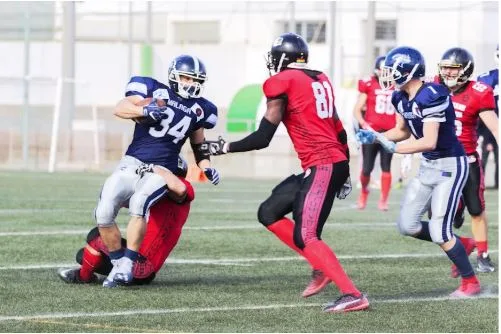
Statista reports that in 2024, 23.6% of men and 19.4% of women participated in sports, exercise, and recreational activities daily. It’s good to keep up with physical activity, as it has both physical and mental benefits.
Some people take sports more seriously, though, and they train to be serious or even professional athletes. Luckily, they have science to back them and help achieve optimal results.
How Sports Science Improves Athletic Performance
Sports relies heavily on science to help athletes perform at their highest level. For example, exercise physiologists study how the body responds to training, and this allows coaches to create programs that improve strength, speed, endurance, and agility. Trainers can also determine the most effective workout intensity and recovery periods.
Sports scientists also use data to identify performance trends. They can make adjustments that maximize results while minimizing fatigue.
This evidence-based approach helps athletes train smarter rather than harder.
Advances in Sports Medicine and Injury Prevention
Vital parts of sports are recovery and injury prevention, and sports medicine has evolved to address both points. Today’s medical professionals, such as those at Southlake Orthopaedics, provide comprehensive sports medicine care and use the following to identify potential problems early:
- Diagnostic imaging
- Movement assessments
- Injury screening tools
Preventive strategies often include strength training, mobility exercises, and personalized conditioning programs. When injuries do occur, advanced rehabilitation techniques let athletes return to competition more safely and efficiently.
Sports medicine specialists frequently collaborate with coaches, physical therapists, and sports scientists to develop comprehensive treatment and recovery plans.
The Role of Biomechanics in Sports Training
Biomechanics is the study of human movement and how forces interact with the body. In sports, biomechanical analysis can help athletes refine their technique for greater efficiency and effectiveness. This is done with:
- High-speed cameras
- Motion sensors
- Force plates
Experts can examine movements in detail, and from there, they can make small adjustments to posture, joint angles, or movement patterns. This can significantly improve performance while reducing unnecessary stress on muscles and joints.
Coaches also use biomechanical data to:
- Identify weaknesses
- Correct imbalances
- Develop sport-specific training strategies
Recovery Science and Athletic Performance
Recovery is now recognized as a critical component of athletic success. Sports scientists understand that improvements in performance happen not only during training but also during the recovery process that follows.
These things can all help the body repair damaged tissues and restore energy reserves:
- Sleep
- Nutrition
- Hydration
- Active recovery techniques
There are also advanced recovery methods that are used to evaluate recovery status and readiness for training. They include compression therapy, cryotherapy, and monitoring heart rate variability.
By tracking recovery metrics, coaches can prevent overtraining and ensure that athletes maintain peak performance throughout a season.
How Data Analytics Is Transforming Sports
Data analytics is one of the most influential tools in sports since it lets teams and athletes collect large amounts of performance data through:
- Wearable devices
- GPS trackers
- Video analysis software
This information can reveal important patterns that are related to movement efficiency, workload, injury risk, and game strategy. Coaches can use analytics to make informed decisions about training schedules and player rotations, and athletes can get a deeper understanding of their strengths and weaknesses.
As AI and machine learning continue to evolve, sports organizations are finding new ways to use data to improve performance and gain a strategic advantage over competitors.
Science Is Helping Athletes Excel
Athletes generally have a detailed understanding of their bodies, but this can be amplified with science. Through things like AI, sports medicine, and biomechanics, they can adjust their training habits and excel at their sport.
To read more interesting content, keep browsing our other pages now.