The Shift From “Retirement Home” to “Retirement Community” and What It Says About Aging
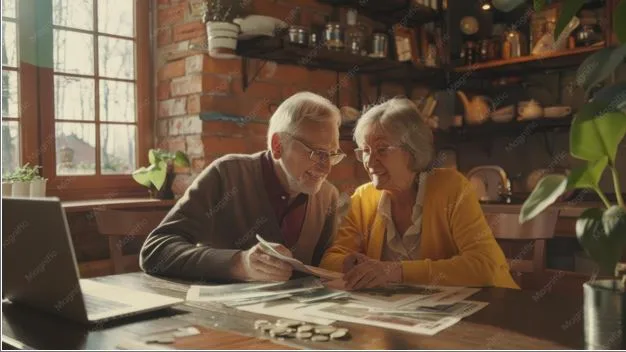
The move from “retirement home” to “retirement community” reflects a broader change in how later life is understood. Instead of viewing older adults mainly as people who need accommodation or care, the newer idea emphasizes independence, choice, social connection, wellness, and continued participation.
Across modern senior-living settings, expectations are changing. This is why Southern Cross Care focused on creating environments that place individual needs and preferences at the center.
Why the language is changing
“Retirement home” can suggest a traditional setting focused mainly on accommodation and care. While that model may suit some people, it does not describe every way older adults want to live.
A retirement community is more likely to emphasize:
- Independence and personal choice.
- Social connection and recreation.
- Wellness and accessible design.
- Family involvement.
- Flexible support.
- Continuity of care.
This change recognizes that aging is not one experience.
From care to everyday life
The word “resident” changes the focus. It suggests that older adults are living in a community rather than simply receiving care in an institution.
A person-centred approach asks practical questions:
- What does the resident enjoy?
- Which routines matter?
- What choices should they retain?
- What relationships and activities give their day meaning?
Quality of life therefore extends beyond physical safety. Privacy, dignity, emotional well-being, social relationships, culture, preferences, and personal identity can all matter.
Independence remains important
Moving into a retirement community does not necessarily mean giving up control. Accessible homes and shared services can reduce everyday burdens such as yard maintenance, household repairs, navigating stairs, managing large properties, or arranging assistance.
Reducing these responsibilities can leave residents with more time for activities they value. The aim is not to remove independence but to make independent living easier and provide support when it is needed.
Social connection matters
The word “community” also highlights the importance of regular social opportunities. Shared lounges, dining areas, clubs, fitness programs, gardens, classes, outings, cultural events, and volunteer opportunities can make interaction easier.
Residents do not have to participate in everything. The value is having choices nearby. Someone can enjoy privacy at home while knowing that companionship or an activity is available when wanted.
Lifestyle and purpose
Modern retirement living can combine housing with experiences that encourage an active lifestyle. Depending on the setting, residents may have access to fitness facilities, walking paths, gardens, libraries, creative spaces, entertainment areas, transportation, social clubs, and wellness activities.
Purpose can come from volunteering, mentoring, helping new residents, leading a club, caring for a garden, teaching a skill, participating in community projects, staying involved with family, or continuing creative or professional work.
This perspective recognizes that older adults have knowledge, talents, opinions, memories, and contributions to make.
Support can change over time
Another important difference is flexibility. A person may begin with independent living, later receive help with daily tasks, and eventually require more comprehensive residential support.
Having different options can provide familiar surroundings, continued relationships, earlier access to assistance, and more time to plan future care. Continuity does not mean remaining in one setting forever. It means changes can be planned with greater dignity and support.
What families should consider
Families should look beyond the label when evaluating a community. Ask:
- How much choice do residents have?
- What activities are available?
- Can support change as needs develop?
- How are families involved?
- Does the environment feel welcoming?
- Do residents appear comfortable and engaged?
Final takeaways
- The language reflects changing expectations about aging.
- Independence and personal choice remain central.
- Social connection is part of community living.
- Activities can support wellness and purpose.
- Flexible support can accommodate changing needs.
- Families should evaluate everyday resident experiences.
- Aging can involve connection, contribution, and continued choice.