The Shift Toward Internet-Based Television: How Viewers Are Rethinking TV in 2026
The way people consume television content is undergoing a fundamental transformation. Across Europe and beyond, traditional cable and satellite television models are steadily being replaced by more flexible, internet-based viewing solutions. As we move into 2026, this shift is no longer driven solely by cost savings, but by changing expectations around accessibility, device compatibility, and content control.
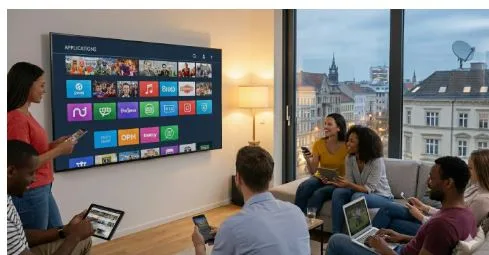
For years, television packages were bundled, rigid, and often expensive. Viewers paid for dozens of channels they never watched, while being limited to a single screen or location. Today’s digital audiences, however, expect entertainment to follow them — across smart TVs, smartphones, tablets, and laptops — without restrictions.
Why Traditional TV Models Are Losing Ground
Conventional television providers still rely on infrastructure that was designed for a different era. Fixed contracts, regional limitations, and hardware dependencies have made it difficult for them to keep pace with modern viewing habits.
At the same time, subscription fatigue has become a real concern. Consumers are now juggling multiple streaming services, each with its own pricing model and content limitations. The result is a fragmented viewing experience that is often more expensive than expected.
Internet-based television solutions aim to solve this problem by offering unified access to live channels, on-demand content, and international programming through a single digital platform.
The Rise of IPTV and Digital TV Platforms
Internet Protocol Television (IPTV) has emerged as one of the most discussed alternatives in the digital entertainment space. Unlike traditional broadcasting methods, IPTV delivers television content through internet connections, allowing for significantly greater flexibility.
Users can watch live television, replay missed programs, or access large video libraries without being tied to a physical decoder or cable connection. For households with reliable broadband, this model offers a seamless viewing experience that adapts to modern lifestyles.
Another major advantage is compatibility. IPTV services are typically accessible on smart TVs, Android devices, iOS platforms, computers, and even dedicated media players. This makes them particularly attractive for families and users who consume content across multiple devices.
What Viewers Should Consider Before Switching
While the technology itself is well established, choosing the right provider remains crucial. Reliability, stream quality, uptime, and customer support all play a major role in user satisfaction. Not all services are equal, and consumers are becoming increasingly cautious about where they get their information.
Educational resources that explain how digital TV platforms work, what to expect from subscriptions, and how to evaluate service quality have become essential. Platforms such as DeIPTV, which focus on explaining internet-based TV solutions and usage considerations, help users better understand the landscape before making decisions.
Looking Ahead: Television Without Borders
As broadband infrastructure continues to improve worldwide, the future of television looks increasingly borderless. Language-specific content, international channels, and niche programming are no longer limited by geography. This shift is particularly relevant for expatriates, multilingual households, and viewers seeking alternatives to mainstream broadcasting.
By 2026, television is less about a fixed schedule and more about control — control over what to watch, when to watch it, and on which device. Internet-based solutions are aligning closely with these expectations, reshaping the entertainment industry in the process.
The evolution of television is no longer a prediction; it is already underway. As consumers continue to prioritize flexibility, transparency, and value, digital TV platforms are positioned to play a central role in the next chapter of home entertainment.