The Small Styling Decisions That Make Everyday Streetwear Feel More Individual
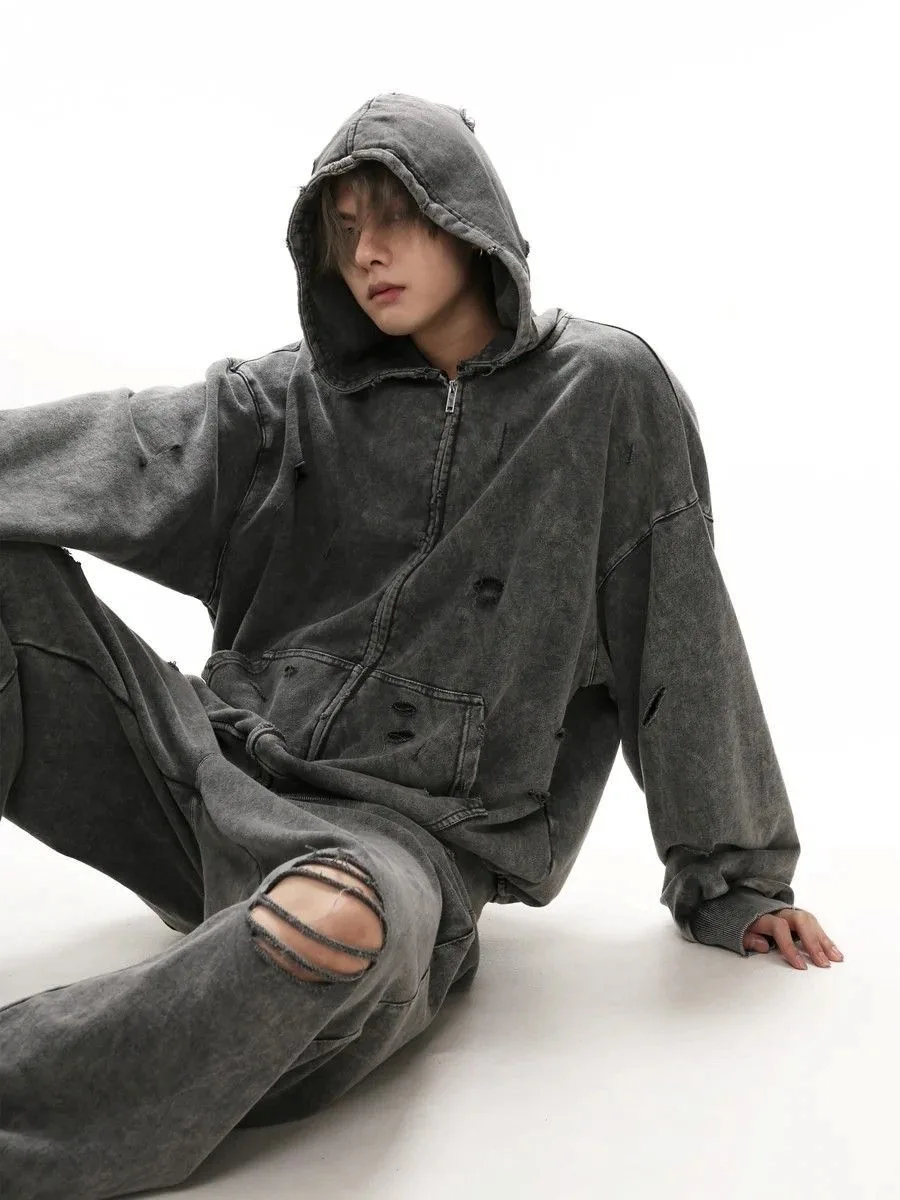
Two people can wear nearly identical streetwear and give it a completely different character. The difference may be a cuff that exposes a watch, the length of a shirt beneath a jacket, or the way a graphic is allowed to remain visible. These are modest decisions, not dramatic transformations. They matter because everyday outfits are built from relationships between pieces, and a minor adjustment can change the proportions, texture, or emphasis of the whole look.
A simple Denim Tears Hoodie offers plenty to work with before another garment is added. Try changing the way its hem meets the waistband, leaving the hood outside rather than trapped under a jacket, or letting a contrasting sleeve show at the wrist. Each move changes what the eye notices first. Individuality often comes from recognizing these possibilities in clothes you already own instead of treating every outfit as a reason to acquire something new.
Control the Amount of Each Layer You Show
Layering is partly a question of visibility. A shirt collar peeking above a sweatshirt can sharpen the neckline; an inch of a longer tee can create a deliberate line at the waist; an open overshirt can frame a graphic without covering it. Too many visible hems at once may make the outfit feel crowded, especially when each layer has a different length. Before leaving, look at the outfit from the side and back. The details that appear balanced from the front may bunch at the shoulder blades or stack awkwardly near the hips.
A graphic garment with a strong print does not need to be completely unobstructed to remain the focus. A jacket worn open can give the image a frame, while a closed outer layer may reduce it to a small glimpse. Neither is inherently wrong; the choice should match the mood. Think of each layer as controlling how much information the outfit reveals at once.
Space matters as much as addition. If a jacket, shirt, and sweatshirt all display prominent graphics, the eye has no clear place to settle. Leave one surface quiet or let a single image remain partially covered. The same principle works with accessories: a bag strap crossing a print may interrupt it, while a plain strap can sit almost invisibly. Look at the outfit in a mirror from several feet away; the broad shapes and strongest contrasts will register before the tiny details. A Oversized Hoodie can also be styled with the print visible inside an open layer, so the graphic remains part of the outfit rather than competing with it.
Small Adjustments Can Clarify Proportion
Sleeves and cuffs are easy places to experiment because their effect is visible immediately. A clean cuff break can make a loose sleeve look purposeful; pushing sleeves up evenly can expose the forearm and remove excess fabric near the hand. Pant hems have similar influence. A small stack at the ankle can suit heavier shoes, while a cleaner break may give a more precise outline. Avoid adjusting every edge at once. Choose one area and see whether it improves the overall line.
Accessories work best when they respond to the shape rather than simply filling a gap. A compact crossbody bag can provide a strong diagonal across a broad sweatshirt, while a small beanie may balance a long coat. If the outfit already has a prominent print and bright shoes, adding several pieces of jewelry may dilute the focus. Individual styling is not measured by the number of details; restraint can be just as recognizable as accumulation.
Use Repetition to Make Details Feel Personal
A recurring detail can become a signature: a preference for silver hardware, a particular shade of green, visible socks, or one unexpected piece of sportswear. It does not need to appear in every outfit. Repetition across different combinations simply helps the wardrobe feel connected. If a detail stops being enjoyable and begins to feel like a rule, leave it out. The purpose is to develop a visual habit, not to create a uniform that must be followed.
You can repeat a detail without repeating the whole outfit. A pair of understated metal hoops, a canvas bag in the same muted shade, or a narrow line of contrast at the cuff can connect otherwise different combinations. The effect is especially useful when the main pieces change with weather or schedule. Keep the recurring element small enough to adapt, and let it disappear on days when it feels wrong; a personal detail should serve the outfit rather than dictate it.
Let Wear and Repair Become Part of the Look
Everyday garments change as they are used. A softened sweatshirt, repaired seam, or faded cap may carry character that a new item does not have. The important distinction is between wear that feels intentional and damage that makes the garment uncomfortable or unreliable. A small repair can preserve a favorite piece, and laundering it according to its care label can slow avoidable fading or distortion. Individuality may come from the way an item ages, but care determines whether it ages well.
Personal Style Does Not Need a Big Reveal
The strongest details are often the ones that make an outfit feel more like its wearer without demanding an explanation. Adjust the layers, notice the hem lines, give a favorite graphic the right amount of space, or repeat a subtle color elsewhere. These choices cost little and can be changed as taste develops. Streetwear becomes individual through attention: seeing what each piece contributes, then editing until the combination feels natural rather than assembled by default.