The Smart Homeowner’s Guide to Future-Proofing Your Living Space
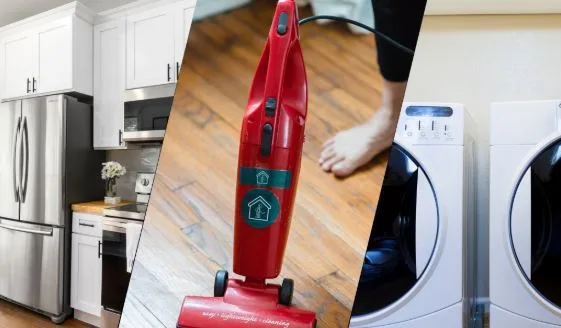
Modern households consume significant daily energy through major and minor appliances. From running high-capacity refrigeration units around the clock to cycling heavy-duty laundry systems, the machinery operating behind the scenes defines a home’s operational footprint. Over the past decade, rapid technological advances have reshaped standard domestic hardware. Traditional mechanical systems are giving way to connected, highly efficient alternatives engineered to trim Utility bills while reducing environmental impact.
Future-proofing a home requires more than choosing sleek designs or chasing the latest smart-home trends. It demands a clear understanding of energy ratings, life-cycle costs, space optimization, and integrated smart technology. Whether building a new property, renovating a kitchen, or upgrading aging laundry systems, a structured approach ensures major investments deliver long-term efficiency and convenience.
The Economics of Modern Home Efficiency
Evaluating the true cost of major household machinery requires looking past the initial price tag. True cost equals the upfront price plus total operating costs over the unit’s lifespan.
A cheaper entry-level unit with a poor energy rating often proves significantly more expensive over a 10-year operating window than a premium, highly rated model.
Understanding Star Ratings and Energy Metrics
Energy efficiency rating systems provide a standardized benchmark for real-world energy consumption. Across key appliance categories, these metrics reveal critical differences:
- Refrigeration: Modern inverter compressors continuously adjust cooling output based on internal temperature shifts rather than cycling fully on and off. This reduces baseline power draw by up to 30% compared to legacy models.
- Laundry Equipment: Heat pump technology in clothes dryers recycles warm air within a closed loop, using up to 50% less electricity than standard vented or condenser units.
- Dishwashers: Advanced sensors analyze soil levels in wastewater, adjusting temperature and water volume dynamically to eliminate excess resource consumption.
When evaluating replacement cycles, units over eight years old should be audited for energy drag. Replacing an outdated refrigerator or washing machine often yields measurable monthly utility savings, offsetting the capital expenditure over time.
Key Categories for Systemic Upgrades
Upgrading a living space requires prioritizing high-impact areas. Kitchens, laundries, and climate control systems represent the majority of residential energy consumption.
1. High-Performance Kitchen Infrastructure
The kitchen operates as the functional engine of the modern home. Key infrastructure decisions directly impact daily workflow and utility demands:
- Induction Cooktops: Electromagnetic induction transfers heat directly to cookware, achieving roughly 85–90% energy efficiency compared to 70% for standard electric coil and 40–50% for gas cooktops.
- Smart Refrigeration: Multi-zone cooling, direct air circulation, and humidity-controlled drawers extend food shelf life, cutting organic waste while lowering electricity usage.
2. Intelligent Laundry Solutions
Laundry technology has advanced rapidly, focusing on reduced cycle times, fabric care, and resource conservation:
- Front-Load Washing Machines: Use gravity-assisted tumbling rather than central agitators, cutting water usage by up to 60% while protecting delicate fabrics.
- Combination Inverter Dryers: Eliminate the need for external ducting while maintaining low operating temperatures that protect textiles from heat stress.
To select units that fit specific floor plans, load capacities, and efficiency requirements, comparing specifications across major brand ecosystems is essential. Browsing through options for home electrical appliances online allows homeowners to analyze energy stars, physical dimensions, and key features side by side before committing to a purchase.
Smart Ecosystem Integration and Automation
A modern appliance strategy extends beyond standalone hardware. Home automation platforms bridge the gap between individual units, transforming independent units into an interconnected network.
The Power of Matter and Open Protocols
Older smart systems often locked users into proprietary brand ecosystems, creating compatibility barriers. The widespread adoption of universal connectivity standards (such as the Matter protocol) allows devices from different manufacturers to communicate seamlessly.
| Feature | Standard Appliances | Integrated Smart Appliances |
| Energy Management | Static power consumption | Dynamic shifting to off-peak utility tariffs |
| Maintenance | Reactive repair after total failure | Diagnostic alerts for filter changes and seal wear |
| Operation | Manual control interface | Automated scheduling via centralized apps or routines |
| Grid Interaction | None | Solar-diverted load scheduling during peak generation |
Off-Peak Scheduling and Load Management
Dynamic energy tariffs charge varying rates depending on grid demand throughout the day. Connected appliances allow users to delay laundry cycles or dishwashing routines to off-peak windows—such as mid-day during peak solar production or overnight when grid rates drop. Automating these cycles delivers significant operational savings without altering household routines.
Maintenance Strategies for Long-Term Reliability
Even top-tier hardware degrades quickly without proper maintenance. Establishing a routine preventive care schedule preserves operational efficiency and extends equipment life.
- Clean Refrigerator Coils Annually: Dust accumulation on condenser coils forces the compressor to work harder, raising power draw and accelerating mechanical wear.
- Inspect and Clear Drain Filters: Washing machines and dishwashers rely on clear drainage lines. Debris accumulation strains pump motors and leads to incomplete cycle execution.
- Descale Heating Elements: Mineral buildup from hard water acts as an insulator, requiring heating elements in coffee makers, kettles, and dishwashers to burn more energy to reach set temperatures.
- Replace HVAC and Vent Filters: Restricted airflow in heating, cooling, and ventilation hardware forces blowers to draw more current, reducing overall system performance.
Building a Scalable Upgrade Plan
Updating household infrastructure doesn’t require replacing every unit at once. A phased replacement strategy prevents financial strain while systematically upgrading the home’s total efficiency.
Start by auditing existing units by age, energy consumption, and reliability history. Prioritize high-demand devices that operate continuously—such as refrigeration and climate control—before moving on to task-specific equipment. By combining research, smart automation, and preventative maintenance, homeowners can build a sustainable, cost-effective living space designed for the long haul.