The Smart Waste Revolution: How Technology is Reshaping Junk Removal and Logistics
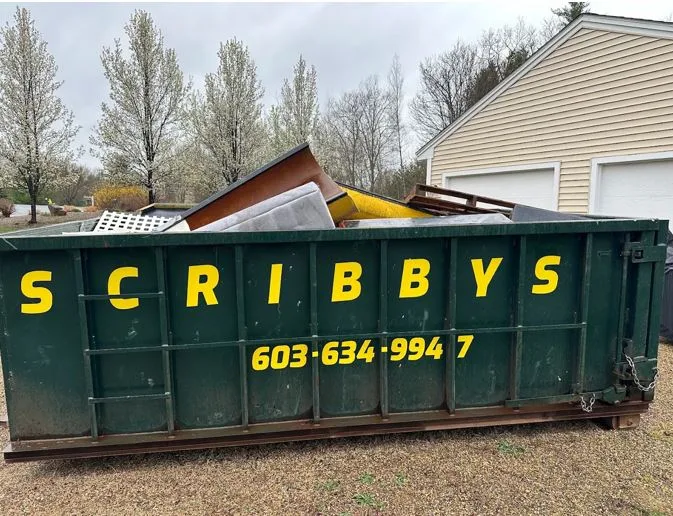
Waste management is rarely the first industry that comes to mind when discussing technological innovation. Yet, behind the scenes of every major property renovation or commercial demolition, a quiet digital revolution is transforming how we handle debris. The days of blindly tossing materials into a landfill and hoping for the best are rapidly ending. Modern hauling relies heavily on advanced logistics, automated sorting algorithms, and eco-conscious route planning. By treating debris removal as a precise, data-driven logistical challenge rather than a manual chore, modern service providers are significantly reducing environmental impacts while keeping complex project timelines strictly on schedule and ensuring optimal budget control.
Moving Beyond the Landfill: Automated Material Sorting
Historically, once a container left a driveway, its contents were destined for a single, environmentally taxing destination. Now, advanced transfer stations are utilizing optical scanners, robotic arms, and AI-driven sorting algorithms to separate mixed construction and demolition debris. These systems can instantly identify clean concrete, structural lumber, and scrap metal within a massive pile of general refuse.
This automated diversion process ensures that recyclable materials are extracted before they ever reach the landfill face. For homeowners and contractors, this means that tossing mixed debris into a single receptacle no longer equates to environmental negligence. The backend technology handles the heavy lifting of material separation, dramatically increasing local recycling rates without requiring manual sorting on the job site.
Route Optimization: Slashing Emissions and Fuel Consumption
The logistical ballet of moving heavy steel containers across a busy city requires staggering amounts of fuel. To combat this, forward-thinking hauling operations have integrated predictive telematics and dynamic GPS routing into their daily operations. Instead of relying on static, predetermined routes, dispatchers now use software that calculates the most fuel-efficient paths in real-time, accounting for sudden traffic patterns, road closures, and vehicle load weights.
By reducing engine idling time and eliminating unnecessary mileage, companies significantly shrink the carbon footprint associated with heavy transport. When coordinating a massive property cleanout, partnering with operators who prioritize these smart logistics, such as Scribbys Junk Removal, ensures your debris is managed efficiently. These fleet management systems directly translate to faster response times and more reliable service windows, removing the frustrating guesswork from your project planning.
Driveway Safety and Precision Drop-Off Innovations
Innovation in waste logistics isn’t limited strictly to software; the physical equipment has also undergone a massive overhaul. Older delivery trucks relied on crude cable-hoist systems that forcefully dragged steel boxes across pavement, frequently resulting in deep gouges and cracked concrete. This caused understandable anxiety for homeowners upgrading their properties.
Modern fleets utilize highly articulated hydraulic hook-lift systems. These advanced mechanisms grant drivers surgical precision when lifting and lowering heavy loads. Operators can gently place a container into a tight residential driveway without the metal rollers ever aggressively scraping the ground. Utilizing specialized setups like Scribby’s Dumpster Rentals means property preservation is baked into the equipment’s design. Implementing protective driveway boards alongside these hydraulic systems effectively neutralizes the risk of property damage.
Streamlining the Debris Removal Process for Contractors
Time is the most expensive commodity on any active job site. Delays in debris removal create dangerous bottlenecks, halting demolition and exposing crews to unnecessary tripping hazards. The integration of cloud-based scheduling platforms allows project managers to request container swaps instantly from a mobile device, entirely bypassing clunky phone dispatch systems.
Actionable Takeaway: When planning a multi-phase renovation, establish your waste logistics schedule before demolition begins. Utilize providers that offer digital tracking or automated notifications, ensuring you know exactly when an empty container will arrive to replace a full one. This proactive approach prevents workflow interruptions and keeps skilled labor focused on construction rather than waste management.
Redefining Reliability in Property Cleanouts
A common misconception is that all hauling services operate with the exact same baseline capabilities. In reality, the integration of technology separates modern logistical partners from outdated, manual operations. Upfront digital pricing models have replaced opaque, paper-based estimates, protecting consumers from hidden tonnage fees and arbitrary environmental surcharges.
Furthermore, transparent digital invoicing allows property managers and real estate professionals to easily track disposal expenses across multiple active job sites. When financial clarity meets operational efficiency, budgeting for a massive estate cleanout or a commercial office gut becomes a predictable, highly manageable process.
The Future of Debris Management is Data-Driven
The evolution of debris management proves that innovation can thrive in the most unlikely sectors. By embracing smart routing, automated material diversion, and precision hydraulic equipment, the hauling industry is setting new benchmarks for sustainability and customer satisfaction. The physical task of moving heavy materials remains, but the operational friction surrounding it has been completely dismantled. As environmental regulations tighten and urban development accelerates, relying on tech-forward waste solutions will remain the smartest strategy for keeping job sites clean, compliant, and continuously moving forward toward completion.