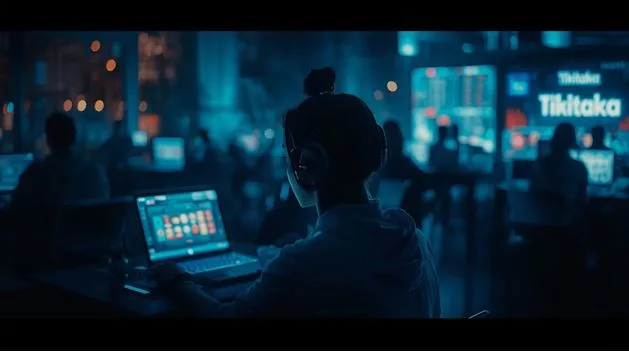
The Social Role of Digital Entertainment: Why Users Increasingly Prefer Online Leisure Formats
Over the past decade, digital entertainment has shifted from an occasional distraction to a central element of everyday social life. As work patterns become more flexible and communication increasingly digital, people look for leisure formats that allow relaxation, interaction, and personal control without strict time or location constraints. Online platforms meet these expectations by offering accessible environments where entertainment and social connection exist simultaneously.
Digital leisure no longer replaces offline interaction; instead, it complements it. Users move easily between physical routines and online experiences, using digital platforms to unwind, stay connected, and maintain a sense of continuity in their social lives.
Why Online Environments Strengthen Social Interaction
Unlike traditional leisure spaces that depend on physical presence, online environments are built around shared interests. Communities form around games, content, and interactive formats rather than geography. This structure allows people with similar preferences to interact regularly, even when their schedules or locations differ.
Interactive platforms enhance this effect by encouraging communication through shared activities. Short sessions, instant feedback, and recognizable interaction patterns make it easy for users to engage socially without long-term commitment. For many, this flexibility is essential to maintaining consistent social contact in a fast-paced lifestyle.
Casino-Inspired Platforms as Social Digital Spaces
Casino-style online platforms illustrate how structured digital entertainment can support both engagement and social interaction. Their design is based on short game cycles, transparent rules, and clearly defined outcomes. These characteristics reduce cognitive effort while maintaining interest, making them suitable for casual, repeat engagement.
In the context of online leisure, platforms built around wagering mechanics, slot games, and bonus systems often become shared reference points within digital communities. Discussions about game results, bonus rounds, or betting strategies naturally emerge, transforming individual play into a collective experience.
This dynamic is especially visible on platforms such as tikitaka-casino-gr.com, where casino games, betting features, slot mechanics, and bonus structures are presented through a clear and accessible interface. The combination of defined stakes, predictable reward cycles, and fast game rounds makes online casino entertainment easy to integrate into everyday routines while remaining socially shareable. Users are not only playing; they are participating in a recognizable digital ecosystem shaped by common rules and expectations.
Accessibility and Inclusion in Digital Leisure
One of the key reasons online entertainment continues to grow is its inclusivity. Digital platforms remove many barriers associated with traditional leisure, such as fixed schedules, physical mobility, or social pressure. Users can engage at their own pace, choose the level of interaction they prefer, and step away without consequence.
This flexibility is particularly important for people with irregular work hours or limited free time. Online leisure offers controlled environments where participation is optional and adaptable, supporting a wider range of lifestyles and personal preferences.
Shared Culture Through Digital Interaction
As online communities expand, they contribute to a shared digital culture. Common visual elements, interaction patterns, and reward systems create a collective language that users recognize across platforms. This cultural layer extends beyond the platforms themselves, influencing conversations, humor, and social references in offline contexts.
Casino-style environments play a role in this process by introducing familiar mechanics such as bonus triggers, game progress indicators, and leaderboard logic. Platforms like Tikitaka Casino become part of a broader digital narrative where users share not just outcomes, but experiences shaped by the same interactive structures.
Psychological Comfort and Routine
Digital leisure also fulfills a psychological function. After days filled with decisions and information, users gravitate toward activities that offer clarity and closure. Online entertainment provides controlled stimulation with clear boundaries, helping users disengage from stress without feeling overwhelmed.
Casino-inspired platforms support this need by offering defined interaction loops. Even brief sessions feel complete, which contributes to a sense of balance and routine. Over time, these predictable patterns become part of daily or evening rituals.
The Growing Role of Digital Leisure in Everyday Life
Today, digital entertainment accompanies social gatherings, quiet evenings, and travel routines. It fills transitional moments and connects people who might otherwise remain isolated. As platforms continue to evolve, their role in shaping social interaction becomes more pronounced.
Rather than distancing users from real-world relationships, well-designed digital environments strengthen social ties by offering shared experiences that exist beyond physical space. Online leisure has become a stable social framework that reflects how people live, communicate, and relax in modern society.