The Sustainable Home: Designing for Comfort, Efficiency, and Savings
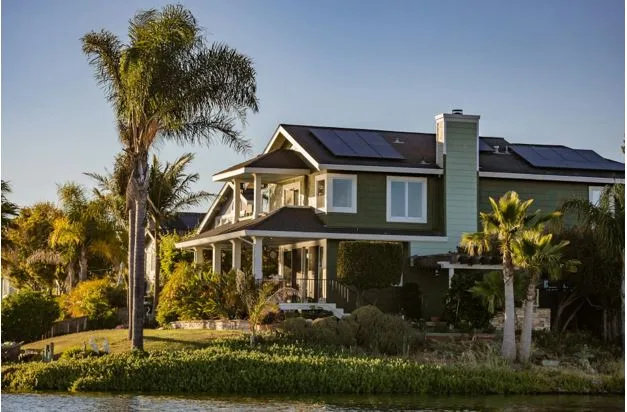
Rising utility bills, unpredictable weather, and growing environmental concerns are changing the way people think about their homes. Today, a house is expected to do more than provide shelter. It should feel comfortable in every season, use resources wisely, and help homeowners reduce long-term costs. More people are realizing that sustainable living is no longer a future trend. It has become a practical and necessary approach to modern home design.
A sustainable home can lower energy use, improve indoor comfort, reduce waste, and create healthier living conditions for families. It can also increase property value while helping protect the environment. From smarter building materials to energy-efficient systems, homeowners now have more options than ever to build spaces that support both their lifestyle and the planet.
Let’s have a look at how homeowners can design a home that delivers comfort, efficiency, and savings.
Investing in Solar Panels for Cleaner Energy
Solar panels have become one of the most valuable additions to a modern home. They allow homeowners to use energy from the sun instead of relying entirely on traditional electricity sources. This can reduce monthly energy costs while lowering the home’s environmental impact. Many homeowners also appreciate the added sense of energy independence solar systems provide. However, installation quality plays a major role in performance and durability. Hiring a company experienced in solar panel installations is necessary to ensure that the system delivers reliable results for a long time.
Designing with Natural Light in Mind
A well-lit home feels more welcoming and comfortable throughout the day. Natural light can completely change the atmosphere of a room while reducing the need for artificial lighting during daylight hours. Large windows, glass doors, and open layouts can help sunlight move through the home more effectively. This design choice can also make smaller spaces feel larger and brighter. Beyond aesthetics, exposure to natural light may support better mood and productivity. Thoughtful window placement allows homeowners to enjoy these benefits while also reducing unnecessary electricity use.
Choosing Energy-Efficient Appliances and Systems
Modern appliances and home systems are designed to use less energy while still delivering strong performance. Energy-efficient refrigerators, washing machines, air conditioners, and water heaters can significantly lower monthly utility costs. Smart thermostats also help homeowners maintain comfortable indoor temperatures without wasting electricity. Many newer systems adjust automatically based on household habits, which adds convenience as well as savings. Choosing efficient equipment may require a larger upfront investment, but the reduced operating costs can make the decision financially rewarding in the long run.
Improving Insulation for Better Temperature Control
Insulation plays a major role in keeping indoor temperatures stable throughout the year. A properly insulated home stays cooler during hot weather and warmer during colder months without placing too much strain on heating and cooling systems. Many homes lose energy through poorly sealed windows, roofs, and walls, which can increase utility expenses. Upgrading insulation helps reduce that energy loss while making living spaces feel more comfortable. It also supports quieter indoor environments by limiting outside noise. Even small insulation improvements can create noticeable changes in comfort and efficiency.
Using Sustainable and Durable Building Materials
The materials used in a home can influence everything from maintenance costs to indoor comfort. Many homeowners are choosing sustainable options like reclaimed wood, recycled metal, bamboo flooring, and eco-friendly concrete because they last longer and reduce environmental impact. Durable materials also help reduce the need for frequent repairs or replacements, which can save money in the future. Beyond durability, these choices often add warmth and character to a home’s design. A thoughtfully built home does not need excessive upgrades every few years, which makes sustainable construction a practical decision for modern living.
Water-Saving Features That Make a Difference
Water conservation has become an important part of sustainable home design. Simple upgrades like low-flow showerheads, efficient toilets, and water-saving faucets can reduce unnecessary water use without affecting comfort. Many homeowners are also turning to drought-friendly landscaping to limit outdoor water consumption. Rainwater collection systems can provide additional support for gardens and outdoor cleaning needs. These features help households lower water bills while reducing pressure on local water supplies. In areas where water shortages are becoming more common, these improvements can make a noticeable difference in everyday life.
Smart Home Technology for Better Efficiency
Smart home technology gives homeowners more control over how their homes use energy. Features like automated lighting, smart thermostats, and motion sensors help reduce waste by adjusting systems only when needed. Many homeowners enjoy being able to control lights, temperature, and appliances directly from their phones, even while away from home. This added convenience can also lead to lower electricity use throughout the week. Smart systems allow people to better understand their energy habits and make adjustments that support both comfort and efficiency without adding extra effort to daily routines.
Creating Healthier Indoor Air Quality
A comfortable home should also support good health. Indoor air quality can affect sleep, concentration, allergies, and general well-being. Sustainable homes often include better ventilation systems, non-toxic paints, and materials that release fewer harmful chemicals into the air. Houseplants and proper airflow can also help create fresher indoor environments. Many homeowners do not realize how much time they spend indoors until air quality problems become noticeable. Cleaner indoor air can make living spaces feel lighter, fresher, and more enjoyable for everyone in the household.
Planning for Long-Term Savings and Home Value
Sustainable homes are often viewed as a smart financial investment because they can reduce monthly costs while increasing property appeal. Buyers are becoming more interested in homes with energy-efficient features, lower utility expenses, and environmentally responsible upgrades. Homeowners may also spend less on maintenance due to the durability of sustainable materials and systems. A home designed with long-term efficiency in mind can continue delivering financial benefits while remaining comfortable and functional for many years.
A sustainable home reflects a shift in how people want to live today. Comfort is no longer separated from efficiency, and modern homeowners are looking for spaces that support both personal well-being and responsible living. Thoughtful design choices can create homes that feel more enjoyable, cost less to maintain, and place less strain on the environment. As technology and sustainable building practices continue to improve, creating an efficient home has become more realistic and accessible for many families. The homes built and upgraded today will shape the way future generations experience everyday living.