The Texas Homeowner’s Survival Guide: Mastering Your Roof Against the Elements
In the Lone Star State, we don’t just have weather; we have events. If you own a home in Texas, you know the drill: one afternoon you’re wilting in 105°F heat, and by evening, the sky has turned an ominous shade of bruised purple. Within minutes, the tornado sirens are wailing, and golf-ball-sized hail is pummeling your driveway.
Your roof is the most hard-working part of your home. It’s the helmet that protects your family and your investment from a climate that is, frankly, trying to break it. Yet, most homeowners only think about their roof when they see a water spot on the ceiling or find a shingle in the yard after a storm. In Texas, a “wait and see” approach is the fastest way to turn a $500 repair into a $30,000 replacement.
This guide will walk you through the unique challenges of the Texas environment, the materials that actually hold up, and why local expertise from seasoned austin roofers is your best line of defense.
The “Big Three” Texas Roof Killers
Texas geography puts us at a unique crossroads of meteorological chaos. To protect your home, you have to understand the three primary forces working against your roof’s lifespan.
1. Thermal Shock and UV Degradation
While hail gets the headlines, the sun is the silent killer. In the peak of a Texas summer, rooftop temperatures can easily exceed 160°F. When a sudden afternoon thunderstorm rolls through, that temperature can drop 80 degrees in a matter of minutes.
This rapid expansion and contraction is known as thermal shock. Over time, it causes asphalt shingles to crack and lose their protective granule coating. Once those granules are gone, the sun’s UV rays bake the underlying asphalt, making it brittle and prone to leaks.
2. The “Hail Alley” Reality
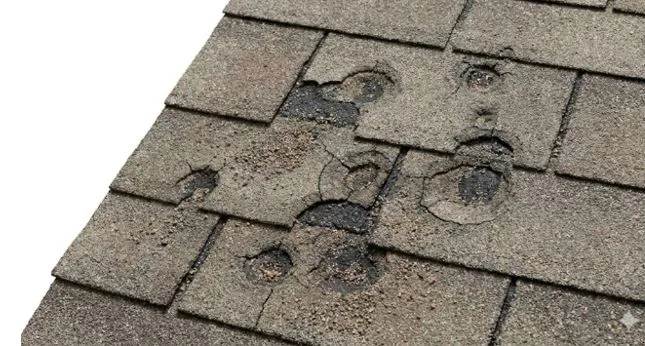
Texas leads the nation in hail loss claims year after year. Hail damage isn’t always catastrophic at first—sometimes it just looks like a “bruise” on the shingle. However, that bruise ruptures the fiberglass mat, allowing water to seep in over the next several months.
3. High-Velocity Wind
From Gulf Coast hurricanes to Central Texas “straight-line” winds, our roofs take a beating. If your shingles aren’t rated for high-wind resistance or weren’t installed with the correct nailing pattern, they can peel back like an orange, exposing your decking to torrential rain.
In the Lone Star State, your roof isn’t just a part of your house; it’s a shield. From the blistering humidity of Houston to the dry, cracking heat of El Paso, and the volatile storm corridors of North and Central Texas, the environment is relentless.
If you’re a Texas homeowner, you aren’t just looking for “a roof.” You’re looking for a system that can withstand 110-degree days, 70-mph winds, and the occasional “hail-pocalypse.” This guide breaks down everything you need to know about maintaining, repairing, and replacing your roof in the Texas climate.
Why Texas Weather is Different
Texas is unique because of Thermal Shock. In many parts of the country, temperatures change gradually. In Texas, we can see a 40-degree drop in two hours when a cold front hits. For a roof, this is physical trauma. The materials expand in the heat and contract rapidly in the cold. Over time, this leads to “shingle fatigue,” where the adhesive bonds break and shingles become brittle.
The Impact of Hail
We live in the heart of “Hail Alley.” Even small hail can strip the protective granules off your shingles. These granules are your roof’s sunscreen; without them, the sun’s UV rays bake the underlying asphalt, causing it to crack and leak within just a few seasons.
Choosing the Right Materials
When it’s time for a replacement, Texas homeowners usually choose between three main categories:
Asphalt Shingles
- Pros:
- Affordable
- Easy to repair
- Massive color variety
- Cons:
- Shorter lifespan in high heat (15–20 years)
Metal Roofing
- Pros:
- Extremely durable
- Reflects heat (lower AC bills)
- 50+ year life
- Cons:
- Higher upfront cost
- Can be noisy in heavy rain
Concrete/Clay Tile
- Pros:
- Beautiful
- Fire-resistant
- Great for Spanish-style homes
- Cons:
- Very heavy
- Requires reinforced roof framing
For most, Architectural Shingles (also called Laminate shingles) are the sweet spot. They are thicker than traditional three-tab shingles and offer much better wind resistance—a must-have for the gusty Texas plains.
Visualizing Roof Health
Understanding what to look for can save you thousands. Below is a look at what “unseen” damage often looks like up close.
This is the ultimate guide to protecting your most valuable asset in the Lone Star State. Whether you’re dealing with the aftermath of a spring storm or trying to lower your summer cooling bills, understanding the nuances of Texas roofing is essential.