The Tin Behind the Counter: Why North West Smokers Are Switching to Nicotine Pouches
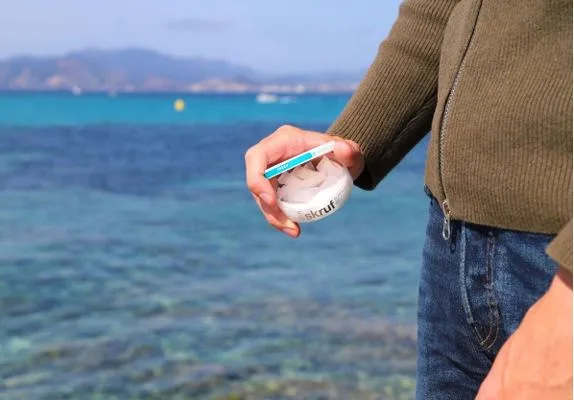
The fastest-growing nicotine product in the North West right now doesn’t burn, doesn’t charge, and doesn’t make a sound. It sits in a round tin about the size of a hockey puck, usually on the shelf where the disposable vapes used to be, and most people over forty have never heard of it.
Nicotine pouches. Small white sachets, tucked under the top lip, job done. No smoke. No vapour. Nothing for the wind coming off the Irish Sea to blow back in your face.
Since single-use vapes were banned across the UK on 1 June 2025, corner shops from Southport to Skelmersdale have been quietly rearranging that space behind the counter. Rechargeable kits took most of it. The tins took the rest, and every month they seem to take a little more.
So what is it, exactly?
A nicotine pouch is a teabag in miniature: plant fibre, flavouring and a measured dose of nicotine, sealed in a soft white pouch smaller than a stick of gum. There is no tobacco in it at all, which surprises people, because the way you use it comes straight from Swedish snus culture, where pouches of actual tobacco have lived under Scandinavian lips for the better part of two centuries.
The modern version kept the format and dropped the leaf. What’s left is the nicotine, delivered slowly through the gum rather than quickly through the lungs.
Using one takes less instruction than assembling flat-pack furniture, though people still get it wrong. The pouch goes between the upper lip and the gum, slightly off to one side. Then you leave it alone. Expect a tingle for the first few minutes, somewhere between pins and needles and a mild chilli; that fades, and a steady nicotine release carries on for anywhere from twenty minutes to an hour. Afterwards the used pouch goes in the bin, or in the little compartment built into the tin’s lid (a small piece of design more products should copy, frankly).
Nothing is inhaled, nothing is spat, and nobody sitting next to you on the bus to Ormskirk will have the faintest idea.
Getting the strength right
Strength is where every newcomer either gets hooked on the format or writes it off in one unpleasant afternoon, so it deserves proper attention.
Pouches are labelled in milligrams of nicotine per pouch, and the honest range runs from a polite 4mg to a frankly antisocial 20mg or more. A twenty-a-day smoker will feel at home somewhere around 9 to 11mg. Someone who smoked five a day, or vaped casually, wants half that. Established ranges such as Nordic Spirit nicotine pouches make this easy by printing the strength tier plainly on the tin, from gentle single figures up to an 11mg extra strong, which is one reason that brand keeps turning up in the pockets of first-time switchers.
The classic beginner’s mistake is bravado. If the tin says extra strong and your smoking career peaked at a crafty one behind the social club, put it back. Nicotine that arrives too fast through the gum produces hiccups, a swimming head and a new respect for Swedish constitutions. Start low. Moving up a strength costs a fiver; the other direction costs you an evening.
The flavour question
Mint dominates, as it does everywhere nicotine is sold, and if you’ve come from menthol cigarettes the transition barely registers. Beyond that the shelf gets adventurous: citrus, black cherry, coffee, elderflower, something usually described as “arctic” that mostly means very cold mint indeed.
Flavour matters more here than it did with cigarettes, because the pouch sits with you for half an hour. A flavour you merely tolerate becomes a flavour you actively resent by minute twenty. Most regulars settle on a boring reliable mint for the working day and keep something fruitier for the weekend, the same way people manage biscuits.
What the habit costs
This is where former smokers tend to go quiet and start doing sums.
A tin holds around twenty pouches, which for a moderate user is two to three days of use. Bought singly on the high street a tin runs £5 to £7. Online specialists sell the popular ranges in fives, which brings the price down to roughly £4 a tin; Nordic Spirit, for instance, currently works out at £19.99 for five tins from UK pouch retailers. Set that against what a packet of cigarettes costs in 2026 and the arithmetic finishes itself before you’ve found a pen.
Nobody needs to overthink this part. Buy one tin, see if the format suits you, then let the five-tin price do its persuading.
Where vaping fits now
None of this means vaping vanished. It didn’t; it re-equipped.
The disposable brands that owned 2023 and 2024 came back within months of the ban as rechargeable pod kits, the same pocketable things with a USB-C port on the bottom and pods that swap out instead of a whole unit going in the bin (or, more honestly, on the pavement). Former disposable users have largely moved across to rechargeable options like Lost Mary vape kits, where a single prefilled pod now holds several thousand puffs and the weekly spend lands well under what the old one-a-day disposable habit cost.
The two products have settled into different corners of life. Vapers tend to stay vapers at home and become pouch users everywhere vaping is awkward: the office, the match, the flight to Alicante, the mother-in-law’s front room. Plenty of people run both without any sense of contradiction.
Who shouldn’t bother
Time for the honest paragraph.
If you don’t already use nicotine, this product is not an invitation. Nicotine is addictive whatever wrapper it arrives in, and starting a pouch habit from a standing start is like taking up mortgage payments as a hobby. Reputable retailers are blunt about this, and every legitimate seller in the UK enforces an 18-plus age check at the till or the checkout page.
And if your actual goal is quitting nicotine altogether rather than changing how it arrives, a pouch is probably a detour. Your pharmacist, your GP, or the NHS stop-smoking service (still free, still effective, still underused) will get you there faster than anything sold in a tin with a flavour called Bergamot Wildberry.
Pouches are for the group in the middle, which around here is a large group: adults who smoke or vape, intend to keep using nicotine for now, and would rather do it without smoke, smell, ash, chargers or standing in a doorway on Lord Street in January watching their umbrella die.
The quiet takeover
There’s no advertising blitz behind any of this, which is partly regulation and partly the nature of the thing. A product designed to be invisible doesn’t lend itself to billboards. It spreads the way useful objects spread: one bloke at work stops going outside at break time, someone asks why, and a week later there are two tins in the kitchen drawer.
Walk past any newsagent’s counter in Southport this month and count the round tins. Then count again in six months. That, more than any statistic, is the story of where Britain’s nicotine habit is heading: smaller, cleaner, quieter, and entirely indifferent to horizontal rain.