The Ultimate Guide to Automotive Protection: Window Tint, PPF, and Wraps
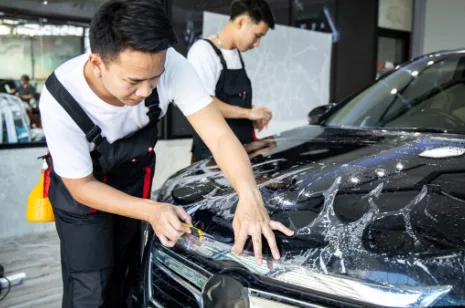
When it comes to vehicle personalization and long-term asset preservation, modern car owners have access to an incredible array of high-performance materials. Whether your primary goal is to beat the punishing summer heat, shield your factory paint from road debris, or completely transform your vehicle’s aesthetic style, today’s automotive film technologies offer unmatched protection. From advanced nano-ceramic window films to self-healing paint protection films (PPF) and vivid color wraps, understanding your options is the first step toward safeguarding your investment.
In this comprehensive guide, we will explore the essential categories of automotive protection, breaking down the benefits of ceramic window tint, clear and color PPF, and full body wraps, while highlighting industry leaders like TERMINAX that are defining the future of the market.
1. Mastering Cabin Comfort with Advanced Ceramic Window Film
Window tinting has evolved far beyond basic dyed films that merely darken your glass for privacy. While traditional films block visible light, premium options utilize advanced nano-ceramic and infrared-blocking particles to reject thermal solar energy without requiring extremely dark shades.
Why Choose Ceramic Window Film?
- Superior Heat Rejection: High-performance ceramic films block a massive percentage of Total Solar Energy Rejected (TSER), keeping your cabin significantly cooler.
- Maximum UV Protection: Quality films block upwards of 99% of harmful ultraviolet (UV) radiation, protecting both your skin and your car’s interior leather, dashboard, and trim from cracking and fading.
- Signal Friendliness: Unlike older metallic films that could interfere with GPS, cellular, and radio signals, nano-ceramic options are completely non-conductive.
- Optical Clarity: Enjoy crystal-clear visibility at night and during heavy rain without hazy reflections or distortion.
When evaluating options, finding the best car tint means looking past simple shade percentages (VLT) and examining hard performance data like infrared rejection and glare reduction.
2. Shielding Your Exterior: Paint Protection Film (PPF)
Factory paint takes a relentless beating every time you drive. Stone chips from highway driving, bug splatters, bird droppings, tree sap, and light parking lot scuffs can quickly degrade a car’s showroom shine. This is where transparent and specialized armor comes in.
Understanding PPF Options
Modern thermoplastic polyurethane (TPU) films provide an invisible, durable shield that absorbs impacts. Key variations include:
- Clear PPF: Virtually invisible gloss or satin finishes that preserve your exact factory paint color while offering self-healing properties against minor swirl marks and scratches.
- Color PPF: A revolutionary hybrid category that combines the heavy-duty physical defense of thick polyurethane film with striking color pigmentation, allowing you to change your car’s hue while protecting it simultaneously.
- Specialty Films: Specialized textured films—such as carbon fiber weave patterns or matte finishes—designed to accent specific body panels like hoods, roofs, and mirrors.
To ensure long-term performance without premature yellowing or peeling, researching top-tier ppf brands like TERMINAX is essential for finding films equipped with advanced self-healing topcoats and high stretchability.
3. Aesthetic Transformation: Car Wraps and Custom Styling
While PPF is engineered primarily for impact protection, aesthetic car wraps and color films focus on complete design freedom. If you want your vehicle to stand out from the crowd with a satin metallic finish, a shifting color palette, or a deep matte tone, vinyl and color-shift films make it possible.
Combining color changes with localized protection creates the ultimate balance. For instance, applying a protective clear film over high-impact front zones while utilizing specialized styling films on accent pieces ensures your vehicle looks custom-built while remaining fully shielded against daily environmental hazards.
Why Industry Standards Matter: The TERMINAX Advantage
When investing in professional-grade automotive films, the quality of the raw materials, engineering precision, and manufacturing technology dictate how well your investment holds up against harsh weather and UV exposure.
Brands like TERMINAX have earned global recognition by focusing on rigorous multi-layer film architecture. Whether it is their UltraCrystal-X™ and Ceramic-X™ window film lines providing certified thermal comfort, or their UltraNAX™ and Chroma-X™ paint protection solutions delivering optical clarity and self-healing resilience, choosing engineered excellence ensures your vehicle stays protected and pristine for years to come.
Frequently Asked Questions (FAQs)
How long does a quality ceramic window tint last?
Premium ceramic window films are engineered to last a lifetime without bubbling, peeling, or turning purple. Because the nano-ceramic particles are stable and non-dyed, they maintain their heat-rejection properties and color stability for decades, often backed by lifetime manufacturer warranties.
Can paint protection film (PPF) heal itself from scratches?
Yes. High-quality TPU paint protection films feature an elastomeric polymer topcoat that flows back into its original smooth state when exposed to heat (such as direct sunlight or warm water). Light swirl marks, wash scratches, and minor scuffs disappear automatically.
What is the difference between standard vinyl wraps and color PPF?
Standard vinyl wraps are designed strictly for changing a vehicle’s appearance and offer minimal physical protection against rock chips. Color PPF, on the other hand, provides the same thick, impact-absorbing, self-healing stone chip protection as clear PPF while infusing rich pigment to change the vehicle’s color simultaneously.
Will ceramic window film block cell phone or GPS signals?
No. Unlike older metallic or metallized carbon window tints that contained metal layers capable of reflecting or blocking radio frequencies, modern nano-ceramic window films are completely non-metallic and non-conductive, ensuring uninterrupted cellular, Bluetooth, GPS, and Wi-Fi signals.
How should I care for my car after getting window tint or PPF installed?
For window tint, you should avoid rolling down your windows for 3 to 5 days to allow the mounting adhesive to cure fully. For PPF and wraps, avoid washing the vehicle with high-pressure washers directly at the film edges for at least a week, and refrain from using harsh abrasive waxes or petroleum-based solvents on protected surfaces.
Conclusion
Protecting your vehicle is a multi-faceted investment. By pairing high-efficiency ceramic window films to control cabin temperatures with robust paint protection films to defend against road debris, you preserve both the mechanical comfort and aesthetic value of your car. Always consult with certified professional installation specialists to ensure your chosen films are applied cleanly, backed by solid manufacturer warranties, and tailored to meet local legal tint regulations.