The Ultimate Guide to Handgun Training: Build Real Skills, Confidence, and Safety
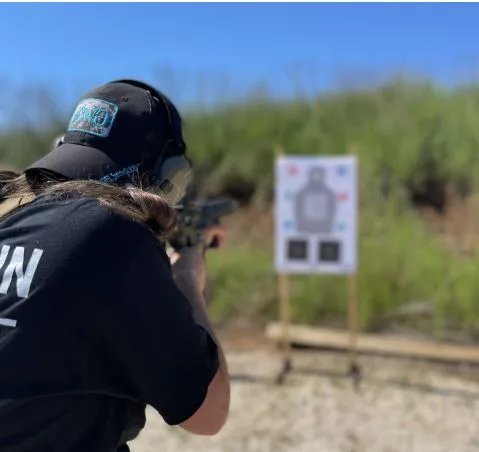
Handgun training is one of the smartest investments you can make if you own, carry, or plan to purchase a handgun. Whether you’re a complete beginner or an experienced shooter, structured professional training develops essential skills that casual range time alone cannot provide. Proper handgun training improves accuracy, builds safe habits, teaches legal awareness, and gives you the confidence to handle high-stress situations effectively.
In this comprehensive guide, we’ll cover why quality handgun training matters, what a good program includes, who should take it, and how to get started.
Why Professional Handgun Training Is Essential
Many new gun owners believe they can learn everything from friends or online videos. In reality, professional handgun training offers critical advantages:
- Safety Mastery — Learn and internalize the four universal firearm safety rules until they become automatic.
- Marksmanship Fundamentals — Proper grip, stance, sight alignment, trigger control, and follow-through.
- Defensive Skills — Drawing from a holster, malfunction clearing, shooting while moving, and decision-making under stress.
- Legal Knowledge — Use-of-force laws, self-defense statutes, and Maryland-specific regulations.
- Confidence — Real competence reduces hesitation and panic in genuine emergencies.
Regular, quality handgun training dramatically lowers the chance of negligent discharges and improves your ability to protect yourself and your loved ones.
What a Quality Handgun Training Course Includes
A well-designed handgun training program typically offers multiple levels:
Beginner / Basic Handgun Training
- Firearm safety and handling
- Maryland Handgun Qualification License (HQL) preparation
- Live-fire qualification (ammo and guns often provided)
- Basic marksmanship drills
Intermediate Defensive Handgun
- Speed reloads and malfunction clearing
- Multiple target engagement
- Low-light techniques
- Situational awareness and de-escalation
Advanced Handgun Training
- Force-on-force scenarios
- Shooting from cover and concealment
- Vehicle defense
- Competition-style drills
Most introductory courses last 4–8 hours and combine classroom instruction with live-fire practice.
Who Needs Handgun Training?
- First-time handgun buyers preparing for Maryland HQL requirements
- Concealed carry / Wear and Carry Permit applicants
- Women seeking practical self-defense skills
- Parents and homeowners wanting responsible home defense knowledge
- Security professionals and armed guards needing qualification or recertification
- Experienced shooters who want to sharpen skills and learn new techniques
Even if you’ve owned guns for years, formal handgun training often reveals bad habits and introduces more efficient methods.
How to Choose the Right Handgun Training Provider
Look for these important qualities:
- Certified instructors (Maryland State Police approved where required)
- Modern, clean training facilities with indoor/outdoor ranges
- Small class sizes (ideally 4–8 students per instructor)
- Up-to-date curriculum that meets or exceeds state and national standards
- Positive, recent student reviews
- Clear focus on both safety and practical application
A reputable provider makes the learning process enjoyable and stress-free while maintaining high professional standards.
For comprehensive, professional handgun training that meets all Maryland requirements and goes beyond the basics, consider The IOTA Group. They offer a full range of courses designed for both new and experienced shooters. Explore their programs here: handgun training
Tips to Get the Most Out of Your Handgun Training
- Arrive early and mentally prepared.
- Wear comfortable clothing and closed-toe shoes.
- Ask questions — there are no dumb ones in training.
- Practice dry-fire drills at home between live sessions.
- Track your progress with a training journal.
- Schedule regular follow-up training — skills fade without practice.
- Combine training with frequent range visits for reinforcement.
Common Questions About Handgun Training
Do I need my own gun for training?
No. Most beginner and HQL classes provide firearms and ammunition.
How often should I train?
After initial qualification, aim for at least one live-fire session per month plus periodic formal training.
Is handgun training expensive?
Basic courses typically range from $100–$250. The investment pays for itself through increased safety and competence.
Can I do handgun training online?
Classroom portions can sometimes be completed online, but live-fire training must be done in person.
Take Your Skills to the Next Level
Quality handgun training is about more than hitting paper targets — it’s about developing the mindset, skills, and judgment needed to carry or keep a handgun responsibly. In today’s world, professional training is no longer optional for serious gun owners.
Ready to build real handgun proficiency with expert guidance? Visit The IOTA Group for trusted, professional handgun training programs that deliver lasting results. Whether you’re just starting out or advancing your abilities, the right training will make you a safer, more confident shooter for life.
Start your training journey today — your safety and peace of mind are worth it.