
The Ultimate Guide to Navigating AI Transparency
Introduction
In the rapidly evolving digital landscape of 2025, the distinction between silicon-based and carbon-based creativity has blurred. As generative models like GPT-5 and Gemini 2.0 become more sophisticated, the demand for a reliable ai text detector has reached a fever pitch. Whether you are an educator striving for academic integrity, a marketer protecting your brand’s SEO, or a reader skeptical of what you see online, understanding the mechanics, limitations, and future of the ai text detector is essential.
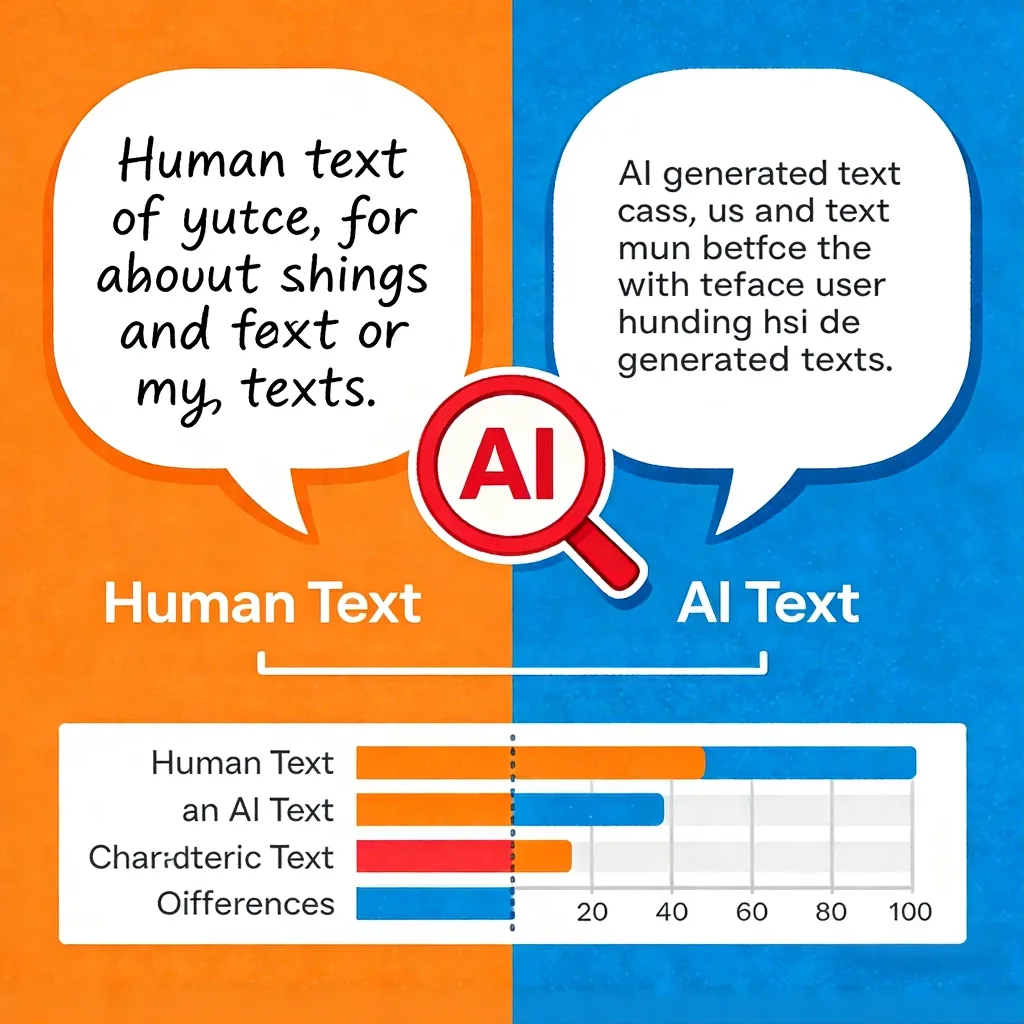
How an AI Text Detector Works
Most people view an ai text detector as a magic “truth machine,” but the reality is rooted in complex linguistic probability. These tools look for “burstiness” and “perplexity.” Humans tend to write with unpredictable rhythms—mixing long, complex sentences with short, punchy ones. AI, conversely, often maintains a consistent, optimized flow. When an ai text detector scans a document, it is essentially asking: “How likely is it that the next word in this sentence was predicted by a probability model?”
The Accuracy Crisis and False Positives
One of the most discussed topics this year is the accuracy of ai text detectors for students. Universities have faced significant backlash when human-written essays—often by non-native English speakers—were flagged by a faulty ai text detector. Because non-native speakers often use more structured and formal language, an ai text detector might mistake their clear prose for machine-generated text. This has led to a surge in searches for the best ai content detector for SEO that can differentiate between “optimized” and “robotic.”
SEO and the Search Engine War
For digital marketers, the stakes are even higher. Google has clarified that it rewards “helpful content,” regardless of how it was produced. However, relying on a low-quality ai text detector to vet your freelance writers can backfire. If your content lacks original insight, a search engine’s internal ai text detector might categorize your site as a “thin content” farm. To maintain rankings, savvy webmasters now use a professional-grade ai text detector to ensure their output feels uniquely human before hitting “publish.”

The “Cat and Mouse” Game
As soon as a new ai text detector is released, developers find ways to circumvent it. We have seen a rise in guides on how to bypass ai text detection in 2025. These methods range from manual editing to using advanced paraphrasing algorithms. However, as the ai text detector becomes smarter, these “bypass” methods often result in clunky, unreadable text. The most effective way to satisfy an ai text detector remains adding personal anecdotes, specific data points, and a unique “voice” that no model can perfectly replicate.
Conclusion
The ai text detector is no longer just a tool; it is a vital part of our digital ecosystem. While the issue of false positives in ai writing software remains a hurdle, the technology continues to improve. By using an ai text detector as a guide rather than an absolute judge, we can foster a more transparent and honest internet.