The Ultimate Guide to the Everest Base Camp Trek: What You Need To Know
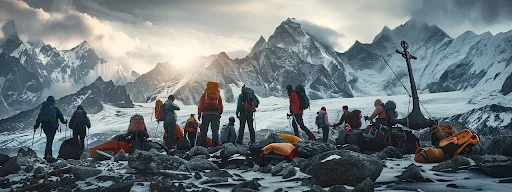
Trekking to Everest Base Camp is a bucket-list adventure for many, a journey that not only tests physical endurance but also immerses travelers in breathtaking natural landscapes. Each year, thousands set out to tackle the 130 km round trip, ascending to the iconic base camp set at a staggering 5,364 meters above sea level. A successful, enjoyable trek to Everest Base Camp requires thorough planning and preparation, ensuring you’re equipped to face the challenges of high altitude and rugged terrain.
This ultimate guide helps you navigate the intricacies of the trek, from preparation to the journey itself. Below we discuss vital steps and considerations that can transform your experience from just another challenging hike to the adventure of a lifetime.
Preparing for Your Everest Base Camp Trek: Essential Steps
Starting your expedition on the right foot involves meticulous planning. Approximately 30,000 trekking enthusiasts make the journey each year, and successful trekkers are those who have prepared months in advance. Fitness is a critical aspect, as the trek is physically demanding with 6-8 hours of hiking per day and varying terrain.
Researching the Everest Base Camp Trek cost and budget is also a paramount step. Estimates for the trek, including guides, permits, and accommodation, typically range from USD 1,000 to USD 3,000. This will also depend on the level of luxury you desire and the season in which you travel.
Additionally, securing the right insurance policy is a must. You’ll need a comprehensive travel insurance plan that covers emergency evacuation and medical treatment at high altitudes. Verify policy specifics and make sure the plan you choose aligns with the altitude of Everest Base Camp.
Navigating the Routes: Maps and Itineraries for EBC Hikers
Choosing the right route is paramount for an enjoyable trek as it determines the scenery you’ll encounter and the challenges you’ll face. The classic route to Everest Base Camp begins in Lukla and takes an average of 12 days to complete, including acclimatization days.
Detailed maps and itineraries can be obtained from trekking companies or online forums where previous hikers share their experiences. While the route is well-trodden and marked, unexpected weather changes can make navigation tricky, hence the importance of having a reliable map.
Actionable guidance includes selecting a reputable trekking agency to help tailor an itinerary that suits your pace and interests. Ensure they are experienced, have good reviews, and can offer guides that speak your language fluently. This will not only improve safety but also enrich your trekking experience.
Acclimatizing and Dealing with Altitude on the EBC Trek
Acclimatization is the process of allowing your body to adapt to the lower oxygen levels at higher altitudes and can be a make-or-break factor for your trek. Altitude sickness can affect anyone, regardless of fitness level. Most itineraries include rest days, specifically for this reason.
Key to managing acclimatization is to follow the “climb high, sleep low” principle, which involves short hikes to higher altitudes followed by descending to sleep. Hydration and a gradual ascent can help mitigate the risk of altitude sickness. Even with precautions, approximately 20% of hikers still experience mild to moderate symptoms.
If symptoms of altitude sickness arise—headaches, dizziness, or difficulty breathing—inform your guide immediately. In severe cases, descending is the only remedy, and your guide can assist with the safest and quickest descent route to lower altitudes for recovery.
Packing List for Everest Base Camp: Gear and Supplies
A practical and efficient packing list is crucial for a comfortable trek. Due to the fluctuating temperatures and rough terrain, layering is key. Ensure you include thermal undergarments, a down jacket, waterproof shell, and comfortable trekking boots that are well broken-in.
Don’t underestimate the need for quality trekking poles, a good quality sleeping bag rated for extreme cold, and a solar charger for your electronic devices. Since amenities decrease as you ascend in altitude, self-sufficiency with certain comforts can be a game-changer for your overall experience.
Lastly, pack high-energy snacks like nuts and energy bars. Although you’ll have access to meals at teahouses along the route, extra energy sources are important as calorie needs can increase by 50% or more during high-altitude treks.
Cultural Etiquette and Sustainable Practices in the Khumbu Region
Respecting local customs enhances your interaction with the indigenous Sherpa community, who are known for their hospitality and mountaineering expertise. Greeting villagers with “Namaste” and showing appreciation for their services cultivates goodwill and enriches your cultural experience.
Environmental preservation is also fundamental in the Everest region; minimizing your footprint is your responsibility as a visitor. Simple practices include carrying a reusable water bottle to minimize plastic waste, avoiding littering trails, and using biodegradable soaps for washing.
Supporting local economies by purchasing from local artisans and eateries, versus imported goods and services, not only provides you with authentic experiences but also contributes to sustainable tourism in the region. Ethical tourism ensures the longevity of the natural beauty and cultural heritage of the Khumbu region.
Ultimately, the Everest Base Camp trek is an extraordinary journey that offers unparalleled scenic wonders and a deep sense of accomplishment. By preparing adequately, respecting the natural environment, and engaging with local culture, trekkers can ensure a memorable and fulfilling experience. Embrace the challenge with a thoughtful and considerate approach to truly appreciate what this high-altitude adventure has to offer.