The Ultimate Home Restore Guide: Step-by-Step Tips to Revive Your Living Space
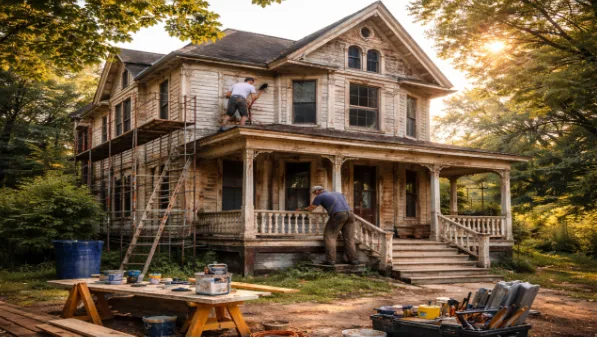
A home is more than just a place to live—it is where memories are created, comfort is found, and personal style comes to life. Over time, however, every home experiences wear and tear. Faded paint, outdated fixtures, damaged flooring, and aging furniture can make even the most beautiful space feel neglected. Fortunately, restoring your home does not always require a complete rebuild. With the right approach, you can breathe new life into your property while increasing its comfort, functionality, and value.
This home restore guide provides a practical, step-by-step roadmap to help homeowners transform tired spaces into refreshed, inviting environments. Whether you are restoring a single room or renovating your entire house, these tips will help you achieve lasting results.
Why Follow a Home Restore Guide?
A well-planned restoration project saves time, reduces unnecessary expenses, and ensures every improvement contributes to the overall appearance and functionality of your home.
Benefits of using a home restore guide include:
- Better planning and budgeting
- Increased property value
- Improved safety and structural integrity
- Enhanced energy efficiency
- A more modern and comfortable living environment
- Reduced maintenance costs over time
Instead of making random upgrades, a structured guide helps you prioritize improvements and complete your project efficiently.
Step 1: Evaluate Your Home’s Current Condition
The first step in any restoration project is conducting a detailed assessment.
Walk through every room and inspect:
- Walls and ceilings
- Flooring
- Windows and doors
- Roof condition
- Plumbing fixtures
- Electrical systems
- HVAC equipment
- Kitchen and bathroom surfaces
Take notes and photographs of areas that require attention. Categorize repairs into urgent, necessary, and cosmetic improvements.
Creating a restoration checklist makes it easier to organize your project and prevents important repairs from being overlooked.
Step 2: Set Clear Restoration Goals
Every successful project starts with clear objectives.
Ask yourself:
- Are you restoring the home for your family?
- Are you preparing it for resale?
- Do you want to improve energy efficiency?
- Is your goal to modernize outdated spaces?
- Are you restoring a historic property?
Your goals will determine your budget, material choices, and renovation priorities.
A good home restore guide always emphasizes planning before spending money.
Step 3: Create a Realistic Budget
Budgeting is one of the most important parts of any restoration project.
Include costs for:
- Materials
- Labor
- Permits
- Furniture
- Appliances
- Paint
- Flooring
- Lighting
- Landscaping
- Unexpected repairs
Experts recommend setting aside an additional 10–20% of your budget for unforeseen expenses.
Having financial flexibility prevents delays if hidden issues are discovered during restoration.
Step 4: Repair Structural Problems First
Never focus on cosmetic improvements before fixing structural issues.
Inspect for:
- Foundation cracks
- Roof leaks
- Water damage
- Mold growth
- Termite damage
- Rotten wood
- Sagging ceilings
- Damaged support beams
These problems can worsen over time and significantly increase repair costs if ignored.
A strong foundation is essential before investing in decorative upgrades.
Step 5: Upgrade Electrical and Plumbing Systems
Older homes often contain outdated wiring and plumbing that may no longer meet modern safety standards.
Consider upgrading:
- Electrical panels
- Wiring
- Outlets
- Light switches
- Plumbing pipes
- Water heaters
- Bathroom fixtures
- Kitchen plumbing
Modern systems improve safety, efficiency, and long-term reliability.
Step 6: Refresh Walls with New Paint
Painting is one of the easiest and most affordable ways to transform a home.
Popular paint choices include:
- Soft white
- Warm beige
- Light gray
- Sage green
- Pale blue
- Earthy neutrals
Fresh paint instantly makes rooms appear brighter, cleaner, and larger.
Choose washable, high-quality paint for durability.
Step 7: Restore or Replace Flooring
Floors experience constant daily wear, making them one of the most noticeable parts of any home.
Options include:
Hardwood Flooring
Classic, durable, and timeless.
Luxury Vinyl Plank
Affordable, waterproof, and easy to maintain.
Laminate Flooring
Ideal for budget-friendly renovations.
Tile Flooring
Excellent for bathrooms, kitchens, and laundry rooms.
Carpet
Provides warmth and comfort in bedrooms.
A complete home restore guide always recommends choosing flooring that balances style, durability, and maintenance requirements.
Step 8: Modernize the Kitchen
The kitchen is often considered the heart of the home.
Simple upgrades include:
- Painting cabinets
- Installing modern hardware
- Replacing countertops
- Adding a tile backsplash
- Upgrading appliances
- Installing energy-efficient lighting
- Adding open shelving
Even minor improvements can dramatically increase your home’s appeal.
Step 9: Renovate Bathrooms
Bathrooms are among the most valuable spaces to restore.
Popular updates include:
- New vanities
- Modern mirrors
- Walk-in showers
- Water-saving toilets
- Updated faucets
- Improved lighting
- Better ventilation
Small bathrooms especially benefit from brighter colors and larger mirrors.
Step 10: Improve Lighting Throughout the Home
Lighting has a significant impact on mood and functionality.
Layer different types of lighting:
Ambient Lighting
Provides overall room illumination.
Task Lighting
Perfect for kitchens, offices, and reading areas.
Accent Lighting
Highlights artwork, shelves, or architectural details.
Replacing outdated fixtures with modern LED lighting improves both aesthetics and energy efficiency.
Step 11: Enhance Energy Efficiency
An effective home restore guide includes strategies for reducing utility costs.
Energy-saving upgrades include:
- Double-pane windows
- Additional insulation
- Smart thermostats
- Energy-efficient appliances
- LED bulbs
- Weather stripping
- Ceiling fans
These improvements create a more comfortable home while lowering monthly energy bills.
Step 12: Restore Outdoor Spaces
Curb appeal creates the first impression of your home.
Consider improving:
- Front doors
- Walkways
- Driveways
- Landscaping
- Garden beds
- Outdoor lighting
- Decks
- Patios
- Fencing
Regular exterior maintenance also protects your property from weather-related damage.
Step 13: Declutter and Organize
A restored home should also feel organized.
Reduce unnecessary items by:
- Donating unused belongings
- Installing storage cabinets
- Adding closet organizers
- Using decorative baskets
- Maximizing vertical storage
Decluttering makes every room appear larger and more functional.
Step 14: Decorate with Purpose
After restoration is complete, personalize your home with tasteful décor.
Ideas include:
- Indoor plants
- Wall art
- Decorative pillows
- Area rugs
- Curtains
- Family photographs
- Statement lighting
- Stylish furniture
Choose a consistent color palette to create a cohesive design throughout your home.
Common Home Restoration Mistakes to Avoid
Even experienced homeowners can make costly mistakes.
Avoid these common errors:
- Skipping inspections
- Ignoring structural repairs
- Underestimating the budget
- Buying low-quality materials
- Starting without a plan
- Choosing trends over durability
- Over-improving beyond neighborhood standards
- Hiring unqualified contractors
Learning from these mistakes helps ensure a smoother restoration process.
Tips for Maintaining Your Restored Home
Once restoration is complete, regular maintenance protects your investment.
Follow these simple habits:
- Inspect the roof annually.
- Clean gutters regularly.
- Check plumbing for leaks.
- Service HVAC systems.
- Repaint exterior surfaces when needed.
- Replace damaged caulking.
- Test smoke detectors monthly.
- Maintain landscaping throughout the year.
Preventive maintenance reduces future repair costs and extends the life of your home’s features.
Final Thoughts
Restoring your home is one of the most rewarding investments you can make. Whether your goal is improving comfort, increasing property value, or modernizing outdated spaces, following a structured home restore guide helps ensure every step is completed efficiently and effectively. By assessing your home’s condition, setting realistic goals, repairing structural issues first, upgrading essential systems, and enhancing both interior and exterior spaces, you can create a home that is beautiful, functional, and built to last.
Remember that successful restoration is a journey rather than a race. Careful planning, quality materials, and consistent maintenance will help you enjoy the benefits of your newly restored living space for many years. With this comprehensive home restore guide, you have the foundation needed to confidently revive your living space and turn your house into the welcoming home you’ve always envisioned.