The Unlikely Convergence: Gothic Style, Culinary Quirkiness, and the AI Revolution
Exploring the surprising connections between gothic fashion trends, April Fools’ food deals, and the rapid rise of enterprise AI.
In a world that often feels like a carefully curated aesthetic, the month of April has presented a fascinating trifecta of trends: the enduring allure of gothic fashion, the playful deception of April Fools’ Day food deals, and the relentless march of enterprise AI adoption. While seemingly disparate, these phenomena offer a unique lens through which to view our evolving cultural and technological landscape.
The Enduring Allure of the Dark Aesthetic
The dark, romantic, and often dramatic world of gothic fashion continues to captivate, with trends like “dark Victorian” and “witchy accessories” maintaining a strong presence. From intricate lace chokers and velvet adornments to ornate skull motifs and flowing cloaks, this aesthetic speaks to a desire for individuality and a connection to historical mystique. This enduring appeal suggests that gothic fashion is more than just a trend; it’s a statement of identity, a nod to the unconventional, and a timeless embrace of the dramatic. Exploring the latest in dark Victorian and witchy accessories reveals the depth and creativity within this subculture.
Playful Deceptions and Delicious Deals
Meanwhile, as April begins, the culinary world engages in its annual tradition of playful deception with April Fools’ Day food deals. Far from being mere pranks, these offers have evolved into genuine opportunities for consumers to snag significant discounts and freebies. This year, many chains are rolling out buy-one-get-one deals and special pricing on pizzas and sandwiches. This trend highlights how brands leverage humor and tradition to engage with customers, turning a day of jokes into a genuine celebration of accessible and affordable dining. Consumers can discover a variety of April Fools’ Day food deals nationwide, proving that sometimes, the best pranks come with a side of savings.
The AI Revolution in the Enterprise
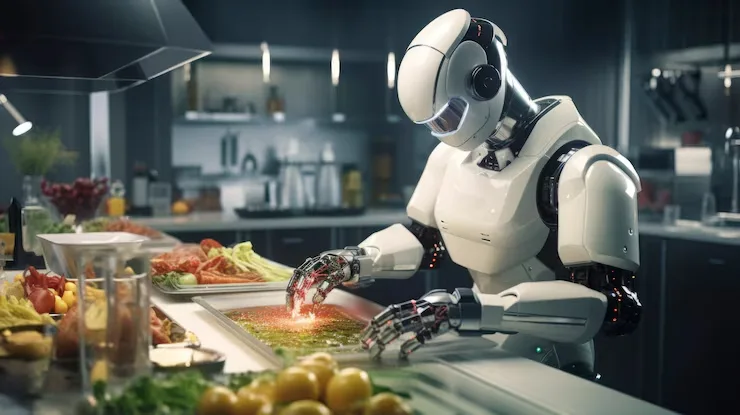
Juxtaposed against these cultural and culinary currents is the explosive growth of enterprise AI, spearheaded by companies like OpenAI. In a remarkable display of market confidence, OpenAI has secured significant funding, valuing the company at astronomical figures. This influx of capital underscores the rapid adoption of AI solutions within businesses, with enterprise revenue now accounting for a substantial portion of major AI providers’ income. This signifies a seismic shift in how businesses operate and innovate. The strategy of unifying offerings into a “superapp” aims to leverage consumer familiarity with tools like ChatGPT to drive enterprise adoption, creating a powerful feedback loop between individual and corporate use. This rapid integration of AI into the enterprise landscape is not just about efficiency; it’s about fundamentally reshaping industries and unlocking new possibilities. The sheer scale of OpenAI’s revenue and enterprise AI adoption signals a new era for businesses globally.
Conclusion
The convergence of these three seemingly unrelated trends—gothic fashion, April Fools’ food deals, and enterprise AI—offers a compelling narrative. The gothic aesthetic speaks to a desire for depth, individuality, and a touch of the dramatic in our personal lives. The April Fools’ food deals represent a lighthearted, communal engagement with brands and a celebration of accessible pleasures. And the rapid adoption of enterprise AI signifies a profound technological transformation that is reshaping the very fabric of our professional and economic lives. Together, they paint a picture of a society that is simultaneously embracing its rich cultural heritage, finding joy in playful traditions, and boldly stepping into a future defined by intelligent innovation.