The Unstoppable Rise of Regional Streaming in India
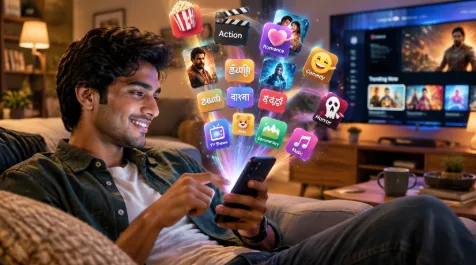
India’s digital entertainment industry is undergoing a profound transformation. For years, mainstream Hindi cinema dominated the country’s pop-culture conversation. Today, however, the rapid growth of regional-language content, widespread smartphone adoption, and evolving viewing preferences are forging a more diverse and highly competitive digital ecosystem.
Audiences are no longer confining themselves to content produced in a single language. Tamil blockbusters, Telugu action films, Malayalam dramas, and regional web series are now reaching viewers far beyond their traditional geographic borders. Concurrently, digital streaming platforms are pivoting to meet the demands of audiences who expect seamless access, personalized recommendations, and culturally resonant content.
This shift is changing more than just what Indians watch—it is fundamentally influencing how entertainment is discovered, distributed, and experienced nationwide.
1. The Shifting Preferences of Indian Audiences
India has always boasted a rich, multilingual entertainment industry. While Bollywood remains a cornerstone of the nation’s cultural identity, regional film industries have increasingly captured national attention.
The runaway success of South Indian cinema proves that compelling storytelling easily transcends linguistic and geographical boundaries. Thanks to dubbing, subtitles, social media buzz, and digital distribution, regional productions are now captivating viewers who previously had little to no exposure to them.
Younger audiences, in particular, are increasingly comfortable exploring content outside their mother tongue. A viewer in North India might discover a Telugu action film via a social media algorithm, while a South Indian viewer might binge a trending Hindi web series. Consequently, platforms are reorganizing their libraries around broad audience interests rather than relying strictly on rigid language or regional categories.
2. Why Regional Languages Are Driving Growth
In a multilingual market like India, language remains a primary driver of entertainment choices. While English and Hindi cater to massive demographics, regional languages allow digital platforms to forge deeper, culturally relevant connections with viewers.
- The Expanding Appeal of South Indian Cinema: The Tamil, Telugu, Malayalam, and Kannada film industries have built strong identities through distinct storytelling, unique production styles, and deep-rooted cultural themes. Digital distribution has democratized their reach. Furthermore, algorithms breathe new life into independent productions and older regional classics, giving them nationwide visibility beyond major theatrical releases.
- Regional Web Series and Everyday Relatability: The boom isn’t limited to feature films. Regional web series, television dramas, and comedy shows resonate deeply because they explore local traditions, community dynamics, and social issues often overlooked by mainstream national media. This cultural familiarity breeds strong audience loyalty and engagement.
3. Mobile Apps and the Power of Personalization
Smartphones are the epicenter of India’s digital entertainment experience. Their portability liberates users from rigid TV schedules, turning commutes and quick breaks into prime viewing time.
- Adapting Interfaces to User Needs: A successful mobile application must accommodate varying viewing habits, device capabilities, and levels of digital literacy. Intuitive navigation, organized categories, and robust search features are critical. Meeting this demand, Castle curates a diverse library that seamlessly blends Bollywood, South Indian cinema, and regional shows into a single, accessible hub.
- Curing “Choice Paralysis” with Personalization: As digital libraries expand, deciding what to watch becomes a hurdle. The Castle App addresses this shift by utilizing language preferences and recommendation algorithms to curate individualized feeds. If a user prefers Telugu cinema, the interface adapts to surface Telugu content first. Good personalization doesn’t just show viewers what they already like; it acts as a bridge, gently introducing them to related genres and new regional discoveries.
4. From Mobile Screens to Connected Home Entertainment
While smartphones dominate, digital entertainment is increasingly becoming a multi-device experience. A viewer might discover a show on their phone during a commute but prefer to finish it on a large screen at home.
- The Rise of Smart TVs: Smart televisions and Android TV boxes are transforming household viewing. Large screens bring back the shared, family-viewing experience for blockbuster films and major series, freeing households from the constraints of traditional broadcast schedules.
- The Importance of Consistent Navigation: TV interfaces require different usability standards—such as remote-control friendly menus and readable text from across the room. Maintaining a consistent and intuitive user experience across both mobile and TV apps is vital, especially in multi-generational households with varying tech literacy and language preferences.
5. Challenges and Future Outlook
Despite the massive opportunities, India’s digital entertainment ecosystem faces several hurdles:
- Infrastructure Diversity: Apps must be optimized for a vast array of screen sizes, processing powers, and fluctuating network conditions to manage data consumption effectively.
- Content Organization vs. Expansion: Adding more content is useless if users can’t find it. Platforms must balance library expansion with superior UI/UX design.
- Licensing and Data Privacy: Navigating complex distribution rights is an ongoing challenge. Additionally, as personalization relies heavily on data collection, platforms must prioritize user privacy and responsible data management.
What the Future Holds The next frontier of India’s digital entertainment will be defined by the intersection of regional content, AI-driven personalization, and accessibility (such as auto-generated subtitles and smart categorization). The industry is moving away from a one-size-fits-all model toward flexible, highly adaptable viewing experiences that celebrate India’s incredible linguistic and cultural diversity.
Conclusion
India’s digital entertainment landscape is richer and more dynamic than ever. The surge in regional content proves that audiences are eager for great stories, regardless of the language they are told in. For digital platforms, the ultimate opportunity lies in understanding these evolving viewing habits and building intuitive, personalized spaces where this diverse content can be easily discovered and enjoyed.