The Vehicles That Defined Decades: Why Certain Cars and Aircraft Become Permanent Icons
Most vehicles are forgotten within a generation. They serve their purpose, they age, they are replaced by something newer, and within twenty years almost nobody remembers them. A handful of vehicles do something different. They accumulate meaning as they age rather than losing it. They become more significant over time, not less. They cross the line from transportation into culture — and once they’re there, they don’t come back.
Understanding what separates the vehicles that become permanent icons from the ones that are simply popular tells you something interesting about how design, timing, and cultural context interact to produce objects that outlast the era that made them.
The Cars That Crossed the Line
The 1964 Ford Mustang is the clearest example in automotive history of a vehicle that didn’t just succeed commercially but redefined the terms of its own category. It arrived at the precise moment when the largest cohort of young buyers in American history was reaching driving age, with exactly the combination of style and price that moment required, and it sold 418,812 units in its first year. Those numbers are impressive. What made it an icon is different: it’s the fact that fifty years later, when a car designer wants to communicate something about American automotive identity, the Mustang is still the reference point they reach for.
The Ferrari 250 GTO is the other kind of icon — not democratic but singular. Thirty-nine were built between 1962 and 1964. It won its class at Le Mans. It is now the most valuable car in the world by auction result, with authenticated examples trading at over $70 million. Its icon status was not manufactured. It was earned on circuits across Europe by drivers who were genuinely trying to win, in a car that was genuinely the best tool available for the job.
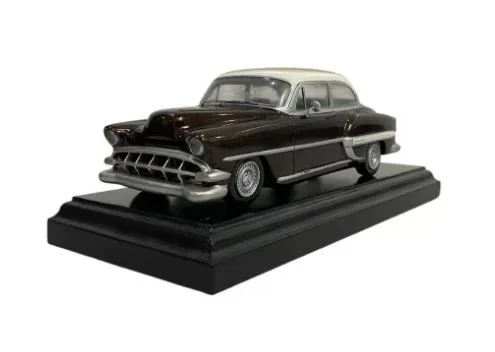
Both routes produce the same result. The Mustang and the 250 GTO are equally permanent cultural objects — they arrived via different paths, but they occupy the same place in automotive history. For collectors who want to document their connection to a specific chapter of that history, handcrafted custom car models built to the correct specification of the exact vehicle being commemorated are the most accurate record available in permanent physical form.
The Aircraft That Did the Same
Aviation produces icons through a different mechanism. The Supermarine Spitfire became an icon partly because it was genuinely excellent — its elliptical wing gave it an agility that few contemporaries could match — and partly because it was present at a specific historical moment, the Battle of Britain, where its performance had consequences that went far beyond any race result or sales record.
The Concorde became an icon because it did something no production aircraft before or since has done: it made supersonic transatlantic flight commercially available. It crossed from London to New York in three hours and twenty minutes. Passengers watched the curvature of the earth from the flight deck. When it was retired in 2003, it closed a category of human experience that has not reopened. That is what permanent icons do — they mark a capability, a moment, or an ambition that the world reached once and has not reached again since.
The Boeing 747 democratised long-haul air travel in a way that transformed how the world moved. The P-51 Mustang — sharing nothing but a name with its automotive counterpart — became the aircraft that gave Allied bombers a fighter escort capable of reaching Berlin and coming back. Each of these aircraft crossed the line from transportation into permanent cultural significance.
For pilots, aviation professionals, and enthusiasts whose connection to a specific aircraft runs deeper than casual admiration, handcrafted custom aircraft models built to the correct type and livery are the object that keeps that connection visible permanently — the specific aircraft, the specific markings, the specific configuration that meant something specific to the person who commissioned it.
Why Permanence Is the Point
The vehicles on this list share a quality that explains their endurance: they represented something beyond their own performance. The Mustang represented affordable aspiration. The 250 GTO represented the pure pursuit of speed. The Spitfire represented a nation’s capacity to produce excellence under pressure. The Concorde represented the moment when human ambition briefly exceeded what seemed commercially sustainable.
Objects that represent something beyond themselves don’t age the way objects defined purely by their specifications age. The latest performance figures always get beaten. The cultural meaning that attaches to a specific vehicle at a specific moment in history doesn’t.
This is why the most meaningful collector pieces are not the most technically impressive replicas of generic vehicle types. They are accurate records of specific vehicles that represented specific things — built with enough care to carry that significance permanently.
Commissioned replicas of iconic cars and aircraft, built from reference photographs to a specific brief, are available through Modelworks Direct.